FLOODS Act
USA117th CongressHR-1438| House
| Updated: 4/7/2021
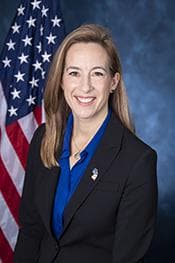
Mikie Sherrill
Democratic Representative
New Jersey
Cosponsors (16)
Mariannette Miller-Meeks (Republican)Ann M. Kuster (Democratic)Kathy Castor (Democratic)Eleanor Holmes Norton (Democratic)Sharice Davids (Democratic)Conor Lamb (Democratic)Sean Casten (Democratic)Eddie Bernice Johnson (Democratic)Albio Sires (Democratic)Brian K. Fitzpatrick (Republican)Deborah K. Ross (Democratic)Charlie Crist (Democratic)Frank Pallone (Democratic)Gwen Moore (Democratic)Bill Pascrell (Democratic)Grace F. Napolitano (Democratic)
Committees (7)
• Transportation and Infrastructure Committee• Water Resources and Environment Subcommittee• Environment Subcommittee• Water, Wildlife and Fisheries Subcommittee• Economic Development, Public Buildings, and Emergency Management Subcommittee• Science, Space, and Technology Committee• Natural Resources Committee
- Introduced
- In Committee
- On Floor
- Passed Chamber
- Enacted
Flood Level Observation, Operations, and Decision Support Act or the FLOODS Act This bill addresses forecasting and the communication of flood, tornado, and hurricane events by the National Oceanic and Atmospheric Administration (NOAA). Among other provisions, the bill directs NOAA to establish a National Integrated Flood Information System to better inform and provide for more timely decision-making to reduce flood-related effects and costs; establishes partnerships with institutions of higher education and federal agencies to improve total water predictions; designates a service coordination hydrologist at each National Weather Service River Forecast Center to increase impact-based decision support services at the state and local level; requires NOAA to evaluate and improve flood watches and warnings and communication of information to support preparation and responses to floods; ensures that the tornado warning improvement and extension program periodically examines the value of incorporating innovative observations, such as acoustic or infrasonic measurements, observations from phased array radars, and observations from mesonets; requires NOAA to estimate and communicate the frequency of precipitation; establishes an Interagency Coordinating Committee on Water Management to ensure that federal agencies that engage in water-related matters, including water storage and supplies, water quality and restoration activities, water infrastructure, transportation on rivers and inland waterways, and water forecasting, work together where such agencies have joint or overlapping responsibilities; and directs NOAA to conduct an analysis of gaps in the availability of snow-related data to assess and predict floods and flood impacts.
View Full TextSuggested Questions
Get AI-generated questions to help you understand this bill better
Timeline
Introduced in House
Referred to the Subcommittee on Environment.
Referred to the Committee on Science, Space, and Technology, and in addition to the Committees on Natural Resources, and Transportation and Infrastructure, for a period to be subsequently determined by the Speaker, in each case for consideration of such provisions as fall within the jurisdiction of the committee concerned.
Referred to the Subcommittee on Economic Development, Public Buildings, and Emergency Management.
Referred to the Subcommittee on Water Resources and Environment.
Referred to the Subcommittee on Water, Oceans, and Wildlife.
Public Lands and Natural Resources
Advanced technology and technological innovationsAtmospheric science and weatherBehavioral sciencesCongressional oversightDepartment of CommerceEarth sciencesEmergency planning and evacuationEmployee hiringEnvironmental assessment, monitoring, researchEnvironmental educationExecutive agency funding and structureFloods and storm protectionGeography and mappingGovernment information and archivesGovernment studies and investigationsHigher educationHydrology and hydrographyMarine and inland water transportationMinority educationNatural disastersResearch administration and fundingScience and engineering educationStudent aid and college costsWater qualityWater storageWater use and supply
FLOODS Act
USA117th CongressHR-1438| House
| Updated: 4/7/2021
Flood Level Observation, Operations, and Decision Support Act or the FLOODS Act This bill addresses forecasting and the communication of flood, tornado, and hurricane events by the National Oceanic and Atmospheric Administration (NOAA). Among other provisions, the bill directs NOAA to establish a National Integrated Flood Information System to better inform and provide for more timely decision-making to reduce flood-related effects and costs; establishes partnerships with institutions of higher education and federal agencies to improve total water predictions; designates a service coordination hydrologist at each National Weather Service River Forecast Center to increase impact-based decision support services at the state and local level; requires NOAA to evaluate and improve flood watches and warnings and communication of information to support preparation and responses to floods; ensures that the tornado warning improvement and extension program periodically examines the value of incorporating innovative observations, such as acoustic or infrasonic measurements, observations from phased array radars, and observations from mesonets; requires NOAA to estimate and communicate the frequency of precipitation; establishes an Interagency Coordinating Committee on Water Management to ensure that federal agencies that engage in water-related matters, including water storage and supplies, water quality and restoration activities, water infrastructure, transportation on rivers and inland waterways, and water forecasting, work together where such agencies have joint or overlapping responsibilities; and directs NOAA to conduct an analysis of gaps in the availability of snow-related data to assess and predict floods and flood impacts.
View Full TextSuggested Questions
Get AI-generated questions to help you understand this bill better
Timeline
Introduced in House
Referred to the Subcommittee on Environment.
Referred to the Committee on Science, Space, and Technology, and in addition to the Committees on Natural Resources, and Transportation and Infrastructure, for a period to be subsequently determined by the Speaker, in each case for consideration of such provisions as fall within the jurisdiction of the committee concerned.
Referred to the Subcommittee on Economic Development, Public Buildings, and Emergency Management.
Referred to the Subcommittee on Water Resources and Environment.
Referred to the Subcommittee on Water, Oceans, and Wildlife.
Mikie Sherrill
Democratic Representative
New Jersey
Cosponsors (16)
Mariannette Miller-Meeks (Republican)Ann M. Kuster (Democratic)Kathy Castor (Democratic)Eleanor Holmes Norton (Democratic)Sharice Davids (Democratic)Conor Lamb (Democratic)Sean Casten (Democratic)Eddie Bernice Johnson (Democratic)Albio Sires (Democratic)Brian K. Fitzpatrick (Republican)Deborah K. Ross (Democratic)Charlie Crist (Democratic)Frank Pallone (Democratic)Gwen Moore (Democratic)Bill Pascrell (Democratic)Grace F. Napolitano (Democratic)
Committees (7)
• Transportation and Infrastructure Committee• Water Resources and Environment Subcommittee• Environment Subcommittee• Water, Wildlife and Fisheries Subcommittee• Economic Development, Public Buildings, and Emergency Management Subcommittee• Science, Space, and Technology Committee• Natural Resources Committee
Public Lands and Natural Resources
Related Bills
- Introduced
- In Committee
- On Floor
- Passed Chamber
- Enacted
Advanced technology and technological innovationsAtmospheric science and weatherBehavioral sciencesCongressional oversightDepartment of CommerceEarth sciencesEmergency planning and evacuationEmployee hiringEnvironmental assessment, monitoring, researchEnvironmental educationExecutive agency funding and structureFloods and storm protectionGeography and mappingGovernment information and archivesGovernment studies and investigationsHigher educationHydrology and hydrographyMarine and inland water transportationMinority educationNatural disastersResearch administration and fundingScience and engineering educationStudent aid and college costsWater qualityWater storageWater use and supply