GET THE LEAD OUT Act of 2021
USA117th CongressHR-1376| House
| Updated: 2/26/2021
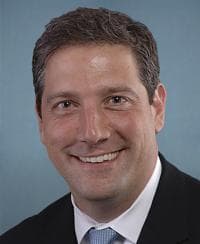
Tim Ryan
Democratic Representative
Ohio
Cosponsors (1)
Environment Subcommittee, Ways and Means Committee, Financial Services Committee, Energy and Commerce Committee
- Introduced
- In Committee
- On Floor
- Passed Chamber
- Enacted
Grants for Eliminating the Toxic Hazard of Environmental Lead in Our Towns Act of 2021 or GET THE LEAD OUT Act of 2021 This bill addresses lead-based hazards in housing. It also modifies the tax treatment of carried interest, which is compensation that is typically received by a partner of a private equity or hedge fund and is based on a share of the fund's profits, and the estate tax. The bill modifies the tax treatment of carried interest by requiring it to be included in gross income and taxed as ordinary income, with certain exceptions. Under current law, carried interest is taxed as investment income. In addition, the bill reduces the estate tax exemption amount from $10 million to $5 million. With respect to lead-based hazards, the bill allows the Department of Housing and Urban Development (HUD) to provide grants to state and local governments to reduce lead-based pipe hazards in housing. Additionally, HUD must require risk assessments, inspections, interim controls, and abatement of these hazards in federally assisted housing. HUD and the Environmental Protection Agency (EPA) must require the disclosure of such hazards in housing that is for sale or lease. Persons that fail to disclose such hazards are subject to civil penalties from HUD and may be liable to purchasers or lessees for damages. Additionally, the EPA must ensure that individuals who work with lead-based pipes have proper training and certification. States may enforce and administer such training and certification programs upon receiving EPA approval.
View Full TextSuggested Questions
Get AI-generated questions to help you understand this bill better
Timeline
Introduced in House
Referred to the Committee on Energy and Commerce, and in addition to the Committees on Financial Services, and Ways and Means, for a period to be subsequently determined by the Speaker, in each case for consideration of such provisions as fall within the jurisdiction of the committee concerned.
Referred to the Subcommittee on Environment and Climate Change.
Housing and Community Development
Accounting and auditingAdministrative law and regulatory proceduresCapital gains taxCivil actions and liabilityCongressional oversightConsumer affairsDepartment of Housing and Urban DevelopmentEnvironmental assessment, monitoring, researchEnvironmental Protection Agency (EPA)Financial services and investmentsGovernment buildings, facilities, and propertyGovernment information and archivesGovernment studies and investigationsHazardous wastes and toxic substancesHousing and community development fundingHousing finance and home ownershipHousing industry and standardsIncome tax ratesInfrastructure developmentLegal fees and court costsLicensing and registrationsLow- and moderate-income housingPerformance measurementPublic housingPublic utilities and utility ratesResidential rehabilitation and home repairState and local government operationsTax administration and collection, taxpayersUser charges and feesVocational and technical educationWater qualityWater use and supply
GET THE LEAD OUT Act of 2021
USA117th CongressHR-1376| House
| Updated: 2/26/2021
Grants for Eliminating the Toxic Hazard of Environmental Lead in Our Towns Act of 2021 or GET THE LEAD OUT Act of 2021 This bill addresses lead-based hazards in housing. It also modifies the tax treatment of carried interest, which is compensation that is typically received by a partner of a private equity or hedge fund and is based on a share of the fund's profits, and the estate tax. The bill modifies the tax treatment of carried interest by requiring it to be included in gross income and taxed as ordinary income, with certain exceptions. Under current law, carried interest is taxed as investment income. In addition, the bill reduces the estate tax exemption amount from $10 million to $5 million. With respect to lead-based hazards, the bill allows the Department of Housing and Urban Development (HUD) to provide grants to state and local governments to reduce lead-based pipe hazards in housing. Additionally, HUD must require risk assessments, inspections, interim controls, and abatement of these hazards in federally assisted housing. HUD and the Environmental Protection Agency (EPA) must require the disclosure of such hazards in housing that is for sale or lease. Persons that fail to disclose such hazards are subject to civil penalties from HUD and may be liable to purchasers or lessees for damages. Additionally, the EPA must ensure that individuals who work with lead-based pipes have proper training and certification. States may enforce and administer such training and certification programs upon receiving EPA approval.
View Full TextSuggested Questions
Get AI-generated questions to help you understand this bill better
Timeline
Introduced in House
Referred to the Committee on Energy and Commerce, and in addition to the Committees on Financial Services, and Ways and Means, for a period to be subsequently determined by the Speaker, in each case for consideration of such provisions as fall within the jurisdiction of the committee concerned.
Referred to the Subcommittee on Environment and Climate Change.
Tim Ryan
Democratic Representative
Ohio
Cosponsors (1)
Environment Subcommittee, Ways and Means Committee, Financial Services Committee, Energy and Commerce Committee
Housing and Community Development
Related Bills
- Introduced
- In Committee
- On Floor
- Passed Chamber
- Enacted
Accounting and auditingAdministrative law and regulatory proceduresCapital gains taxCivil actions and liabilityCongressional oversightConsumer affairsDepartment of Housing and Urban DevelopmentEnvironmental assessment, monitoring, researchEnvironmental Protection Agency (EPA)Financial services and investmentsGovernment buildings, facilities, and propertyGovernment information and archivesGovernment studies and investigationsHazardous wastes and toxic substancesHousing and community development fundingHousing finance and home ownershipHousing industry and standardsIncome tax ratesInfrastructure developmentLegal fees and court costsLicensing and registrationsLow- and moderate-income housingPerformance measurementPublic housingPublic utilities and utility ratesResidential rehabilitation and home repairState and local government operationsTax administration and collection, taxpayersUser charges and feesVocational and technical educationWater qualityWater use and supply