Department of Peacebuilding Act of 2021
USA117th CongressHR-1111| House
| Updated: 2/18/2021
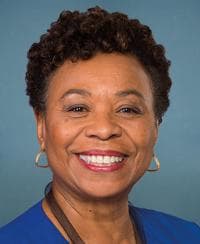
Barbara Lee
Democratic Representative
California
Cosponsors (35)
Robin L. Kelly (Democratic)Raúl M. Grijalva (Democratic)Sheila Jackson Lee (Democratic)Ilhan Omar (Democratic)Juan Vargas (Democratic)Andy Levin (Democratic)Eric Swalwell (Democratic)Melanie A. Stansbury (Democratic)Tony Cárdenas (Democratic)Danny K. Davis (Democratic)Ted Lieu (Democratic)Henry C. "Hank" Johnson (Democratic)Mark DeSaulnier (Democratic)Sara Jacobs (Democratic)Jerrold Nadler (Democratic)Anna G. Eshoo (Democratic)Eleanor Holmes Norton (Democratic)Brad Sherman (Democratic)Bonnie Watson Coleman (Democratic)Jamie Raskin (Democratic)Janice D. Schakowsky (Democratic)James P. McGovern (Democratic)Maxine Waters (Democratic)Michael F. Q. San Nicolas (Democratic)Nydia M. Velázquez (Democratic)Yvette D. Clarke (Democratic)Bennie G. Thompson (Democratic)Nanette Diaz Barragán (Democratic)Gwen Moore (Democratic)Rashida Tlaib (Democratic)Ayanna Pressley (Democratic)Alcee L. Hastings (Democratic)Jamaal Bowman (Democratic)Chellie Pingree (Democratic)Judy Chu (Democratic)
Oversight and Government Reform Committee
- Introduced
- In Committee
- On Floor
- Passed Chamber
- Enacted
Department of Peacebuilding Act of 2021 This bill establishes a Department of Peacebuilding in the executive branch, dedicated to peacebuilding, peacemaking, and the study and promotion of conditions conducive to both domestic and international peace and a culture of peace. The mission of the department includes the cultivation of peace and peacebuilding as a strategic national policy objective and development of policies that promote national and international conflict prevention, nonviolent intervention, mediation, peaceful conflict resolution, and structured conflict mediation. The department shall collaborate with others to promote personal and community security and peace by supporting policies to address personal and family violence, including suicide; reduce drug and alcohol abuse; and create, through local community initiatives, peace projects that facilitate conflict resolution and healing of societal wounds. A Federal Interagency Committee on Peace is established to coordinate the actions of the department with other federal agencies. The Department of Defense and the Department of State must consult with the department concerning nonviolent means of conflict resolution when a conflict between the United States and any other government or entity is foreseeable, imminent, or occurring. The department shall encourage citizens to observe and celebrate the blessings of peace and endeavor to create peace on Peace Days.
View Full TextSuggested Questions
Get AI-generated questions to help you understand this bill better
Timeline
Introduced in House
Referred to the House Committee on Oversight and Reform.
Government Operations and Politics
Advanced technology and technological innovationsAdvisory bodiesAir qualityAlternative and renewable resourcesAlternative dispute resolution, mediation, arbitrationAnimal protection and human-animal relationshipsArms control and nonproliferationAssault and harassment offensesChild healthChild safety and welfareCivics educationClimate change and greenhouse gasesCommemorative events and holidaysCommunity life and organizationComputers and information technologyConflicts and warsCorrectional facilities and imprisonmentCrime preventionCrimes against childrenCrimes against womenCrime victimsCultural exchanges and relationsDetention of personsDiplomacy, foreign officials, Americans abroadDomestic violence and child abuseDrug, alcohol, tobacco useEconomic developmentEconomic performance and conditionsElementary and secondary educationEmergency medical services and trauma careEmployment discrimination and employee rightsEnvironmental educationExecutive agency funding and structureFirearms and explosivesForeign aid and international reliefGovernment information and archivesGovernment studies and investigationsHate crimesHazardous wastes and toxic substancesHealth promotion and preventive careHealth technology, devices, suppliesHigher educationHuman rightsHuman traffickingImmigration status and proceduresImmunology and vaccinationInfectious and parasitic diseasesInternational organizations and cooperationJuvenile crime and gang violenceLand use and conservationLaw enforcement administration and fundingMental healthNatural disastersNews media and reportingNuclear weaponsPreschool educationProtest and dissentRacial and ethnic relationsRadioactive wastes and releasesReconstruction and stabilizationRefugees, asylum, displaced personsRule of law and government transparencySex, gender, sexual orientation discriminationSex offensesTeaching, teachers, curriculaTechnology assessmentUnited NationsViolent crimeWar crimes, genocide, crimes against humanityWomen's rights
Department of Peacebuilding Act of 2021
USA117th CongressHR-1111| House
| Updated: 2/18/2021
Department of Peacebuilding Act of 2021 This bill establishes a Department of Peacebuilding in the executive branch, dedicated to peacebuilding, peacemaking, and the study and promotion of conditions conducive to both domestic and international peace and a culture of peace. The mission of the department includes the cultivation of peace and peacebuilding as a strategic national policy objective and development of policies that promote national and international conflict prevention, nonviolent intervention, mediation, peaceful conflict resolution, and structured conflict mediation. The department shall collaborate with others to promote personal and community security and peace by supporting policies to address personal and family violence, including suicide; reduce drug and alcohol abuse; and create, through local community initiatives, peace projects that facilitate conflict resolution and healing of societal wounds. A Federal Interagency Committee on Peace is established to coordinate the actions of the department with other federal agencies. The Department of Defense and the Department of State must consult with the department concerning nonviolent means of conflict resolution when a conflict between the United States and any other government or entity is foreseeable, imminent, or occurring. The department shall encourage citizens to observe and celebrate the blessings of peace and endeavor to create peace on Peace Days.
View Full TextSuggested Questions
Get AI-generated questions to help you understand this bill better
Timeline
Introduced in House
Referred to the House Committee on Oversight and Reform.
Barbara Lee
Democratic Representative
California
Cosponsors (35)
Robin L. Kelly (Democratic)Raúl M. Grijalva (Democratic)Sheila Jackson Lee (Democratic)Ilhan Omar (Democratic)Juan Vargas (Democratic)Andy Levin (Democratic)Eric Swalwell (Democratic)Melanie A. Stansbury (Democratic)Tony Cárdenas (Democratic)Danny K. Davis (Democratic)Ted Lieu (Democratic)Henry C. "Hank" Johnson (Democratic)Mark DeSaulnier (Democratic)Sara Jacobs (Democratic)Jerrold Nadler (Democratic)Anna G. Eshoo (Democratic)Eleanor Holmes Norton (Democratic)Brad Sherman (Democratic)Bonnie Watson Coleman (Democratic)Jamie Raskin (Democratic)Janice D. Schakowsky (Democratic)James P. McGovern (Democratic)Maxine Waters (Democratic)Michael F. Q. San Nicolas (Democratic)Nydia M. Velázquez (Democratic)Yvette D. Clarke (Democratic)Bennie G. Thompson (Democratic)Nanette Diaz Barragán (Democratic)Gwen Moore (Democratic)Rashida Tlaib (Democratic)Ayanna Pressley (Democratic)Alcee L. Hastings (Democratic)Jamaal Bowman (Democratic)Chellie Pingree (Democratic)Judy Chu (Democratic)
Oversight and Government Reform Committee
Government Operations and Politics
- Introduced
- In Committee
- On Floor
- Passed Chamber
- Enacted
Advanced technology and technological innovationsAdvisory bodiesAir qualityAlternative and renewable resourcesAlternative dispute resolution, mediation, arbitrationAnimal protection and human-animal relationshipsArms control and nonproliferationAssault and harassment offensesChild healthChild safety and welfareCivics educationClimate change and greenhouse gasesCommemorative events and holidaysCommunity life and organizationComputers and information technologyConflicts and warsCorrectional facilities and imprisonmentCrime preventionCrimes against childrenCrimes against womenCrime victimsCultural exchanges and relationsDetention of personsDiplomacy, foreign officials, Americans abroadDomestic violence and child abuseDrug, alcohol, tobacco useEconomic developmentEconomic performance and conditionsElementary and secondary educationEmergency medical services and trauma careEmployment discrimination and employee rightsEnvironmental educationExecutive agency funding and structureFirearms and explosivesForeign aid and international reliefGovernment information and archivesGovernment studies and investigationsHate crimesHazardous wastes and toxic substancesHealth promotion and preventive careHealth technology, devices, suppliesHigher educationHuman rightsHuman traffickingImmigration status and proceduresImmunology and vaccinationInfectious and parasitic diseasesInternational organizations and cooperationJuvenile crime and gang violenceLand use and conservationLaw enforcement administration and fundingMental healthNatural disastersNews media and reportingNuclear weaponsPreschool educationProtest and dissentRacial and ethnic relationsRadioactive wastes and releasesReconstruction and stabilizationRefugees, asylum, displaced personsRule of law and government transparencySex, gender, sexual orientation discriminationSex offensesTeaching, teachers, curriculaTechnology assessmentUnited NationsViolent crimeWar crimes, genocide, crimes against humanityWomen's rights