Extreme Risk Protection Order and Violence Prevention Act of 2019
USA116th CongressS-7| Senate
| Updated: 1/3/2019
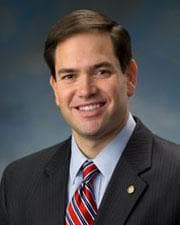
Marco Rubio
Republican Senator
Florida
Judiciary Committee
- Introduced
- In Committee
- On Floor
- Passed Chamber
- Enacted
Extreme Risk Protection Order and Violence Prevention Act of 2019 This bill establishes a new grant program to help states and Indian tribes implement extreme risk protection order laws. Extreme risk protection order laws, or red flag laws, generally allow certain individuals (e.g., law enforcement officers or family members) to petition a court for a temporary order that prohibits an at-risk individual from purchasing and possessing firearms. The bill also expands the categories of persons who are prohibited from receiving, possessing, shipping, or transporting a firearm or ammunition. Specifically, it adds a new category of prohibited persons: persons who are subject to an extreme risk protection order.
View Full TextSuggested Questions
Get AI-generated questions to help you understand this bill better
Timeline
Introduced in Senate
Read twice and referred to the Committee on the Judiciary.
Crime and Law Enforcement
Assault and harassment offensesCivil actions and liabilityCrime preventionDrug, alcohol, tobacco useFamily relationshipsFirearms and explosivesLaw enforcement administration and fundingMedical tests and diagnostic methodsMental healthState and local government operationsViolent crime
Extreme Risk Protection Order and Violence Prevention Act of 2019
USA116th CongressS-7| Senate
| Updated: 1/3/2019
Extreme Risk Protection Order and Violence Prevention Act of 2019 This bill establishes a new grant program to help states and Indian tribes implement extreme risk protection order laws. Extreme risk protection order laws, or red flag laws, generally allow certain individuals (e.g., law enforcement officers or family members) to petition a court for a temporary order that prohibits an at-risk individual from purchasing and possessing firearms. The bill also expands the categories of persons who are prohibited from receiving, possessing, shipping, or transporting a firearm or ammunition. Specifically, it adds a new category of prohibited persons: persons who are subject to an extreme risk protection order.
View Full TextSuggested Questions
Get AI-generated questions to help you understand this bill better
Timeline
Introduced in Senate
Read twice and referred to the Committee on the Judiciary.
Marco Rubio
Republican Senator
Florida
Judiciary Committee
Crime and Law Enforcement
- Introduced
- In Committee
- On Floor
- Passed Chamber
- Enacted
Assault and harassment offensesCivil actions and liabilityCrime preventionDrug, alcohol, tobacco useFamily relationshipsFirearms and explosivesLaw enforcement administration and fundingMedical tests and diagnostic methodsMental healthState and local government operationsViolent crime