Child Care for Working Families Act
USA116th CongressS-568| Senate
| Updated: 2/26/2019
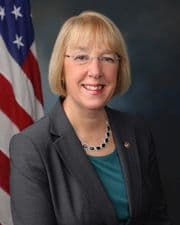
Patty Murray
Democratic Senator
Washington
Cosponsors (36)
Mazie K. Hirono (Democratic)Tammy Duckworth (Democratic)Margaret Wood Hassan (Democratic)Tom Udall (Democratic)Dianne Feinstein (Democratic)Catherine Cortez Masto (Democratic)Patrick J. Leahy (Democratic)Richard J. Durbin (Democratic)Edward J. Markey (Democratic)Charles E. Schumer (Democratic)Jack Reed (Democratic)Kirsten E. Gillibrand (Democratic)Elizabeth Warren (Democratic)Christopher A. Coons (Democratic)Kamala D. Harris (Democratic)Amy Klobuchar (Democratic)Robert P. Casey (Democratic)Sheldon Whitehouse (Democratic)Jacky Rosen (Democratic)Chris Van Hollen (Democratic)Christopher Murphy (Democratic)Martin Heinrich (Democratic)Michael F. Bennet (Democratic)Tina Smith (Democratic)Sherrod Brown (Democratic)Bernard Sanders (Independent)Brian Schatz (Democratic)Maria Cantwell (Democratic)Tammy Baldwin (Democratic)Cory A. Booker (Democratic)Benjamin L. Cardin (Democratic)Robert Menendez (Democratic)Jeff Merkley (Democratic)Gary C. Peters (Democratic)Ron Wyden (Democratic)Richard Blumenthal (Democratic)
Health, Education, Labor, and Pensions Committee
- Introduced
- In Committee
- On Floor
- Passed Chamber
- Enacted
Child Care for Working Families Act This bill provides funds and otherwise revises certain child care and early learning programs for low- to moderate-income families. Specifically, the bill provides funds for the Child Care and Development Block Grant program and reestablishes it as a child care and development assistance program. It also allocates program funds for states to provide services and supports to infants, toddlers, and children with disabilities. Further, it revises the program to require each state to, among other things create a tiered and transparent system for measuring the quality of child care providers, which must include evidence-based standards and payment rates that are based on a certain cost estimation model; assure that copayments are based on a sliding scale and that no family receiving assistance pays more than 7% of their household income on child care; and use quality child care amounts for certain activities, such as improving the supply of child care providers who provide care to infants, toddlers, and children with disabilities (e.g., professional development). It also provides funds and establishes grants for states to create preschool programs for low- to moderate-income children between the ages of three and five years. Finally, the Department of Health and Human Services must make grants to Head Start agencies to (1) provide children with access to full-school-year and full-school-day services, (2) provide access to additional service hours for migrant and seasonal agencies, or (3) enhance the quality of existing services.
View Full TextSuggested Questions
Get AI-generated questions to help you understand this bill better
Timeline
Introduced in Senate
Read twice and referred to the Committee on Health, Education, Labor, and Pensions.
Education
Academic performance and assessmentsAdoption and foster careAppropriationsChild care and developmentChild healthCrime preventionDisability and paralysisDomestic violence and child abuseEducation of the disadvantagedEducation programs fundingFamily servicesHealth programs administration and fundingHigher educationHomelessness and emergency shelterPreschool educationStudent aid and college costsTeaching, teachers, curriculaWomen's health
Child Care for Working Families Act
USA116th CongressS-568| Senate
| Updated: 2/26/2019
Child Care for Working Families Act This bill provides funds and otherwise revises certain child care and early learning programs for low- to moderate-income families. Specifically, the bill provides funds for the Child Care and Development Block Grant program and reestablishes it as a child care and development assistance program. It also allocates program funds for states to provide services and supports to infants, toddlers, and children with disabilities. Further, it revises the program to require each state to, among other things create a tiered and transparent system for measuring the quality of child care providers, which must include evidence-based standards and payment rates that are based on a certain cost estimation model; assure that copayments are based on a sliding scale and that no family receiving assistance pays more than 7% of their household income on child care; and use quality child care amounts for certain activities, such as improving the supply of child care providers who provide care to infants, toddlers, and children with disabilities (e.g., professional development). It also provides funds and establishes grants for states to create preschool programs for low- to moderate-income children between the ages of three and five years. Finally, the Department of Health and Human Services must make grants to Head Start agencies to (1) provide children with access to full-school-year and full-school-day services, (2) provide access to additional service hours for migrant and seasonal agencies, or (3) enhance the quality of existing services.
View Full TextSuggested Questions
Get AI-generated questions to help you understand this bill better
Timeline
Introduced in Senate
Read twice and referred to the Committee on Health, Education, Labor, and Pensions.
Patty Murray
Democratic Senator
Washington
Cosponsors (36)
Mazie K. Hirono (Democratic)Tammy Duckworth (Democratic)Margaret Wood Hassan (Democratic)Tom Udall (Democratic)Dianne Feinstein (Democratic)Catherine Cortez Masto (Democratic)Patrick J. Leahy (Democratic)Richard J. Durbin (Democratic)Edward J. Markey (Democratic)Charles E. Schumer (Democratic)Jack Reed (Democratic)Kirsten E. Gillibrand (Democratic)Elizabeth Warren (Democratic)Christopher A. Coons (Democratic)Kamala D. Harris (Democratic)Amy Klobuchar (Democratic)Robert P. Casey (Democratic)Sheldon Whitehouse (Democratic)Jacky Rosen (Democratic)Chris Van Hollen (Democratic)Christopher Murphy (Democratic)Martin Heinrich (Democratic)Michael F. Bennet (Democratic)Tina Smith (Democratic)Sherrod Brown (Democratic)Bernard Sanders (Independent)Brian Schatz (Democratic)Maria Cantwell (Democratic)Tammy Baldwin (Democratic)Cory A. Booker (Democratic)Benjamin L. Cardin (Democratic)Robert Menendez (Democratic)Jeff Merkley (Democratic)Gary C. Peters (Democratic)Ron Wyden (Democratic)Richard Blumenthal (Democratic)
Health, Education, Labor, and Pensions Committee
Education
Related Bills
- Introduced
- In Committee
- On Floor
- Passed Chamber
- Enacted
Academic performance and assessmentsAdoption and foster careAppropriationsChild care and developmentChild healthCrime preventionDisability and paralysisDomestic violence and child abuseEducation of the disadvantagedEducation programs fundingFamily servicesHealth programs administration and fundingHigher educationHomelessness and emergency shelterPreschool educationStudent aid and college costsTeaching, teachers, curriculaWomen's health