Forage Fish Conservation Act
USA116th CongressS-5053| Senate
| Updated: 12/17/2020
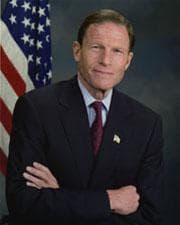
Richard Blumenthal
Democratic Senator
Connecticut
Commerce, Science, and Transportation Committee
- Introduced
- In Committee
- On Floor
- Passed Chamber
- Enacted
Forage Fish Conservation Act This bill addresses the management and conservation of forage fish. (A forage fish is any fish at a low trophic level that contributes significantly to the diets of other fish, marine mammals, or birds and serves as a conduit for energy transfer to species at a higher trophic level.) The Department of Commerce must establish guidelines to assist regional fishery management councils in (1) developing a list of unmanaged forage fish areas and prohibiting the development of any new forage fish fisheries until the potential impacts of such fisheries have been assessed; and (2) setting annual catch limits for forage fish fisheries that assess, specify, and reduce such limits by the diet needs of other fish species and marine wildlife. The bill adds shad (American shad and hickory shad) and river herring (blueback herring and alewife) to the list of managed stocks for the New England and Mid-Atlantic Fishery Management Council.
View Full TextSuggested Questions
Get AI-generated questions to help you understand this bill better
Timeline
Introduced in Senate
Read twice and referred to the Committee on Commerce, Science, and Transportation.
Animals
Advisory bodiesAtlantic OceanEcologyFishesHunting and fishingMarine and coastal resources, fisheriesWildlife conservation and habitat protection
Forage Fish Conservation Act
USA116th CongressS-5053| Senate
| Updated: 12/17/2020
Forage Fish Conservation Act This bill addresses the management and conservation of forage fish. (A forage fish is any fish at a low trophic level that contributes significantly to the diets of other fish, marine mammals, or birds and serves as a conduit for energy transfer to species at a higher trophic level.) The Department of Commerce must establish guidelines to assist regional fishery management councils in (1) developing a list of unmanaged forage fish areas and prohibiting the development of any new forage fish fisheries until the potential impacts of such fisheries have been assessed; and (2) setting annual catch limits for forage fish fisheries that assess, specify, and reduce such limits by the diet needs of other fish species and marine wildlife. The bill adds shad (American shad and hickory shad) and river herring (blueback herring and alewife) to the list of managed stocks for the New England and Mid-Atlantic Fishery Management Council.
View Full TextSuggested Questions
Get AI-generated questions to help you understand this bill better
Timeline
Introduced in Senate
Read twice and referred to the Committee on Commerce, Science, and Transportation.
Richard Blumenthal
Democratic Senator
Connecticut
Commerce, Science, and Transportation Committee
Animals
Related Bills
- Introduced
- In Committee
- On Floor
- Passed Chamber
- Enacted
Advisory bodiesAtlantic OceanEcologyFishesHunting and fishingMarine and coastal resources, fisheriesWildlife conservation and habitat protection