Full-Service Community School Expansion Act of 2020
USA116th CongressS-4865| Senate
| Updated: 10/26/2020
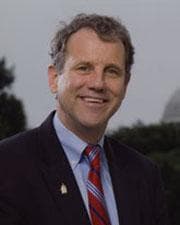
Sherrod Brown
Democratic Senator
Ohio
Cosponsors (3)
Health, Education, Labor, and Pensions Committee
- Introduced
- In Committee
- On Floor
- Passed Chamber
- Enacted
Full-Service Community School Expansion Act of 2020 This bill reauthorizes through FY2025 and expands the Full-Service Community Schools program. The program provides support for full-service community schools that serve children and their families, particularly for children who attend high-poverty elementary and secondary schools. Specifically, the bill directs the Department of Education (ED) to award grants to eligible entities to plan, implement, expand, and support full-service community schools. An eligible entity is a consortium of (1) one or more local educational agencies or the Bureau of Indian Education; and (2) one or more community-based organizations, nonprofit organizations, or other entities. A community school refers to a public elementary or secondary school that incorporates the four pillars of community schools. These four pillars are defined by the bill as (1) integrated student supports that address out-of-school barriers to learning (e.g., medical care and assistance with housing, transportation, or nutrition); (2) expanded and enriched learning time and opportunities (e.g., before- and after-school programs); (3) family and community engagement (e.g., adult education); and (4) collaborative leadership and practices, which must include a school-based leadership team, a community school coordinator, and a community-wide leadership team. Further, the bill directs ED to award grants to states to plan, implement, and expand community schools. A state educational agency that receives a grant must meet certain requirements, such as providing subgrants to local educational agencies, establishing a state-level steering committee, and establishing goals for the implementation and expansion of community schools throughout the state.
View Full TextSuggested Questions
Get AI-generated questions to help you understand this bill better
Timeline
Introduced in Senate
Read twice and referred to the Committee on Health, Education, Labor, and Pensions.
Education
Academic performance and assessmentsChild healthChild safety and welfareCommunity life and organizationCongressional oversightCrime preventionDisability and paralysisDomestic violence and child abuseDrug, alcohol, tobacco useEducational guidanceEducation of the disadvantagedEducation programs fundingElementary and secondary educationEmployment and training programsFamily relationshipsForeign language and bilingual programsHealth care coverage and accessHigher educationHomelessness and emergency shelterJuvenile crime and gang violenceLawyers and legal servicesMental healthNutrition and dietPerformance measurementPhysical fitness and lifestylePreschool educationSchool administrationSocial work, volunteer service, charitable organizationsSpecial educationState and local government operationsStudent recordsTeaching, teachers, curricula
Full-Service Community School Expansion Act of 2020
USA116th CongressS-4865| Senate
| Updated: 10/26/2020
Full-Service Community School Expansion Act of 2020 This bill reauthorizes through FY2025 and expands the Full-Service Community Schools program. The program provides support for full-service community schools that serve children and their families, particularly for children who attend high-poverty elementary and secondary schools. Specifically, the bill directs the Department of Education (ED) to award grants to eligible entities to plan, implement, expand, and support full-service community schools. An eligible entity is a consortium of (1) one or more local educational agencies or the Bureau of Indian Education; and (2) one or more community-based organizations, nonprofit organizations, or other entities. A community school refers to a public elementary or secondary school that incorporates the four pillars of community schools. These four pillars are defined by the bill as (1) integrated student supports that address out-of-school barriers to learning (e.g., medical care and assistance with housing, transportation, or nutrition); (2) expanded and enriched learning time and opportunities (e.g., before- and after-school programs); (3) family and community engagement (e.g., adult education); and (4) collaborative leadership and practices, which must include a school-based leadership team, a community school coordinator, and a community-wide leadership team. Further, the bill directs ED to award grants to states to plan, implement, and expand community schools. A state educational agency that receives a grant must meet certain requirements, such as providing subgrants to local educational agencies, establishing a state-level steering committee, and establishing goals for the implementation and expansion of community schools throughout the state.
View Full TextSuggested Questions
Get AI-generated questions to help you understand this bill better
Timeline
Introduced in Senate
Read twice and referred to the Committee on Health, Education, Labor, and Pensions.
Sherrod Brown
Democratic Senator
Ohio
Cosponsors (3)
Health, Education, Labor, and Pensions Committee
Education
- Introduced
- In Committee
- On Floor
- Passed Chamber
- Enacted
Academic performance and assessmentsChild healthChild safety and welfareCommunity life and organizationCongressional oversightCrime preventionDisability and paralysisDomestic violence and child abuseDrug, alcohol, tobacco useEducational guidanceEducation of the disadvantagedEducation programs fundingElementary and secondary educationEmployment and training programsFamily relationshipsForeign language and bilingual programsHealth care coverage and accessHigher educationHomelessness and emergency shelterJuvenile crime and gang violenceLawyers and legal servicesMental healthNutrition and dietPerformance measurementPhysical fitness and lifestylePreschool educationSchool administrationSocial work, volunteer service, charitable organizationsSpecial educationState and local government operationsStudent recordsTeaching, teachers, curricula