Restoring Critical Supply Chains and Intellectual Property Act
USA116th CongressS-4324| Senate
| Updated: 7/27/2020
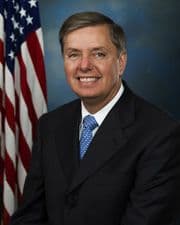
Lindsey Graham
Republican Senator
South Carolina
Cosponsors (4)
Finance Committee
- Introduced
- In Committee
- On Floor
- Passed Chamber
- Enacted
Restoring Critical Supply Chains and Intellectual Property Act This bill establishes tax credits, incentives, and other measures to support U.S. production of personal protective equipment (PPE), semiconductors, and critical minerals. Among other things, the bill (1) prohibits the use of federal funds for procurement of PPE items not produced in the United States, and (2) establishes a $7.5 billion tax credit for investment in certain medical PPE manufacturing projects. The bill also addresses the security of federally funded research and development grants and export-controlled goods, technologies, or sensitive information, including by establishing a Federal Research Security Council to develop research and development grant making policy and management guidance to protect the national and economic security interests of the United States. Further, it prohibits any federal grant application that fails to disclose the receipt of any outside compensation, including foreign compensation. The bill establishes investments and incentives to support U.S. semiconductor manufacturing, research and development, and supply chain security, such as requiring the National Institute of Standards and Technology to carry out a semiconductor manufacturing program to accelerate research and development for next generation semiconductors. Lastly, the bill addresses availability, development, and production of domestic critical minerals by (1) requiring the President to coordinate agencies to implement U.S. policy regarding critical minerals, including by establishing a capability for identifying critical mineral demand and supply; (2) establishing a grant program for critical mineral education, training, and workforce development programs at institutions of higher education; and (3) reauthorizing through FY2030 the National Geological and Geophysical Data Preservation Program.
View Full TextSuggested Questions
Get AI-generated questions to help you understand this bill better
Timeline
Introduced in Senate
Read twice and referred to the Committee on Finance.
Commerce
Administrative law and regulatory proceduresAdvanced technology and technological innovationsAdvisory bodiesAsiaBusiness investment and capitalBuy American requirementsChinaCoalCompetitiveness, trade promotion, trade deficitsComputers and information technologyCongressional oversightCultural exchanges and relationsDepartment of AgricultureDepartment of EducationDepartment of the InteriorEarth sciencesEducation programs fundingEmergency medical services and trauma careEmployment and training programsEnergy researchEnergy storage, supplies, demandEnvironmental assessment, monitoring, researchForeign and international corporationsFraud offenses and financial crimesGovernment information and archivesGovernment studies and investigationsGovernment trust fundsHealth personnelHealth technology, devices, suppliesHigher educationImmigration status and proceduresIncome tax creditsIndian lands and resources rightsIndustrial facilitiesIndustrial policy and productivityInfrastructure developmentIntellectual propertyIntelligence activities, surveillance, classified informationInternational exchange and broadcastingInternational organizations and cooperationInternational scientific cooperationLicensing and registrationsManufacturingMetalsMilitary procurement, research, weapons developmentMiningOffice of Management and Budget (OMB)Performance measurementPolitical parties and affiliationPublic contracts and procurementPublic-private cooperationRadioactive wastes and releasesResearch administration and fundingResearch and developmentScientific communicationSmall businessSolid waste and recyclingStrategic materials and reservesStudent aid and college costsSubversive activitiesTeaching, teachers, curriculaTechnology transfer and commercializationTrade restrictionsVisas and passportsWater qualityWater use and supplyWorker safety and health
Restoring Critical Supply Chains and Intellectual Property Act
USA116th CongressS-4324| Senate
| Updated: 7/27/2020
Restoring Critical Supply Chains and Intellectual Property Act This bill establishes tax credits, incentives, and other measures to support U.S. production of personal protective equipment (PPE), semiconductors, and critical minerals. Among other things, the bill (1) prohibits the use of federal funds for procurement of PPE items not produced in the United States, and (2) establishes a $7.5 billion tax credit for investment in certain medical PPE manufacturing projects. The bill also addresses the security of federally funded research and development grants and export-controlled goods, technologies, or sensitive information, including by establishing a Federal Research Security Council to develop research and development grant making policy and management guidance to protect the national and economic security interests of the United States. Further, it prohibits any federal grant application that fails to disclose the receipt of any outside compensation, including foreign compensation. The bill establishes investments and incentives to support U.S. semiconductor manufacturing, research and development, and supply chain security, such as requiring the National Institute of Standards and Technology to carry out a semiconductor manufacturing program to accelerate research and development for next generation semiconductors. Lastly, the bill addresses availability, development, and production of domestic critical minerals by (1) requiring the President to coordinate agencies to implement U.S. policy regarding critical minerals, including by establishing a capability for identifying critical mineral demand and supply; (2) establishing a grant program for critical mineral education, training, and workforce development programs at institutions of higher education; and (3) reauthorizing through FY2030 the National Geological and Geophysical Data Preservation Program.
View Full TextSuggested Questions
Get AI-generated questions to help you understand this bill better
Timeline
Introduced in Senate
Read twice and referred to the Committee on Finance.
Lindsey Graham
Republican Senator
South Carolina
Cosponsors (4)
Finance Committee
Commerce
Related Bills
- Introduced
- In Committee
- On Floor
- Passed Chamber
- Enacted
Administrative law and regulatory proceduresAdvanced technology and technological innovationsAdvisory bodiesAsiaBusiness investment and capitalBuy American requirementsChinaCoalCompetitiveness, trade promotion, trade deficitsComputers and information technologyCongressional oversightCultural exchanges and relationsDepartment of AgricultureDepartment of EducationDepartment of the InteriorEarth sciencesEducation programs fundingEmergency medical services and trauma careEmployment and training programsEnergy researchEnergy storage, supplies, demandEnvironmental assessment, monitoring, researchForeign and international corporationsFraud offenses and financial crimesGovernment information and archivesGovernment studies and investigationsGovernment trust fundsHealth personnelHealth technology, devices, suppliesHigher educationImmigration status and proceduresIncome tax creditsIndian lands and resources rightsIndustrial facilitiesIndustrial policy and productivityInfrastructure developmentIntellectual propertyIntelligence activities, surveillance, classified informationInternational exchange and broadcastingInternational organizations and cooperationInternational scientific cooperationLicensing and registrationsManufacturingMetalsMilitary procurement, research, weapons developmentMiningOffice of Management and Budget (OMB)Performance measurementPolitical parties and affiliationPublic contracts and procurementPublic-private cooperationRadioactive wastes and releasesResearch administration and fundingResearch and developmentScientific communicationSmall businessSolid waste and recyclingStrategic materials and reservesStudent aid and college costsSubversive activitiesTeaching, teachers, curriculaTechnology transfer and commercializationTrade restrictionsVisas and passportsWater qualityWater use and supplyWorker safety and health