COVID–19 Bias and Anti-Racism Training Act of 2020
USA116th CongressS-4248| Senate
| Updated: 7/21/2020
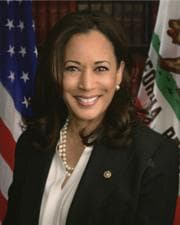
Kamala D. Harris
Democratic Senator
California
Cosponsors (15)
Jeanne Shaheen (Democratic)Mazie K. Hirono (Democratic)Tammy Duckworth (Democratic)Richard J. Durbin (Democratic)Edward J. Markey (Democratic)Christopher A. Coons (Democratic)Sheldon Whitehouse (Democratic)Chris Van Hollen (Democratic)Michael F. Bennet (Democratic)Sherrod Brown (Democratic)Bernard Sanders (Independent)Cory A. Booker (Democratic)Jeff Merkley (Democratic)Ron Wyden (Democratic)Richard Blumenthal (Democratic)
Health, Education, Labor, and Pensions Committee
- Introduced
- In Committee
- On Floor
- Passed Chamber
- Enacted
COVID-19 Bias and Anti-Racism Training Act of 2020 This bill requires the Department of Health and Human Services (HHS) to award grants to health care providers, public health departments, tribal organizations, schools for social workers and health professionals, and other nonprofit entities for bias and anti-racism training to reduce disparities in COVID-19 (i.e., coronavirus disease 2019) response efforts. In administering these grants, HHS must give priority to, among others, recipients in communities with racial and ethnic disparities in COVID-19 infections, hospitalizations, and death rates. In addition, HHS must develop requirements for bias and anti-racism training that aligns with continuing education requirements of applicable state licensing bodies, such as medical boards.
View Full TextSuggested Questions
Get AI-generated questions to help you understand this bill better
Timeline
Introduced in Senate
Read twice and referred to the Committee on Health, Education, Labor, and Pensions.
Health
Cardiovascular and respiratory healthCommunity life and organizationDisability and health-based discriminationEducation programs fundingEmergency medical services and trauma careForeign language and bilingual programsHealth care coverage and accessHealth facilities and institutionsHealth personnelHealth programs administration and fundingHospital careImmunology and vaccinationIndian social and development programsInfectious and parasitic diseasesMedical educationMedical tests and diagnostic methodsMental healthMinority healthRacial and ethnic relationsReligionSex, gender, sexual orientation discriminationSocial work, volunteer service, charitable organizations
COVID–19 Bias and Anti-Racism Training Act of 2020
USA116th CongressS-4248| Senate
| Updated: 7/21/2020
COVID-19 Bias and Anti-Racism Training Act of 2020 This bill requires the Department of Health and Human Services (HHS) to award grants to health care providers, public health departments, tribal organizations, schools for social workers and health professionals, and other nonprofit entities for bias and anti-racism training to reduce disparities in COVID-19 (i.e., coronavirus disease 2019) response efforts. In administering these grants, HHS must give priority to, among others, recipients in communities with racial and ethnic disparities in COVID-19 infections, hospitalizations, and death rates. In addition, HHS must develop requirements for bias and anti-racism training that aligns with continuing education requirements of applicable state licensing bodies, such as medical boards.
View Full TextSuggested Questions
Get AI-generated questions to help you understand this bill better
Timeline
Introduced in Senate
Read twice and referred to the Committee on Health, Education, Labor, and Pensions.
Kamala D. Harris
Democratic Senator
California
Cosponsors (15)
Jeanne Shaheen (Democratic)Mazie K. Hirono (Democratic)Tammy Duckworth (Democratic)Richard J. Durbin (Democratic)Edward J. Markey (Democratic)Christopher A. Coons (Democratic)Sheldon Whitehouse (Democratic)Chris Van Hollen (Democratic)Michael F. Bennet (Democratic)Sherrod Brown (Democratic)Bernard Sanders (Independent)Cory A. Booker (Democratic)Jeff Merkley (Democratic)Ron Wyden (Democratic)Richard Blumenthal (Democratic)
Health, Education, Labor, and Pensions Committee
Health
- Introduced
- In Committee
- On Floor
- Passed Chamber
- Enacted
Cardiovascular and respiratory healthCommunity life and organizationDisability and health-based discriminationEducation programs fundingEmergency medical services and trauma careForeign language and bilingual programsHealth care coverage and accessHealth facilities and institutionsHealth personnelHealth programs administration and fundingHospital careImmunology and vaccinationIndian social and development programsInfectious and parasitic diseasesMedical educationMedical tests and diagnostic methodsMental healthMinority healthRacial and ethnic relationsReligionSex, gender, sexual orientation discriminationSocial work, volunteer service, charitable organizations