Saving Our Street Act
USA116th CongressS-4047| Senate
| Updated: 6/23/2020
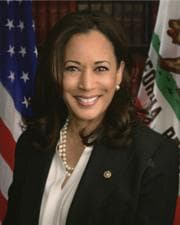
Kamala D. Harris
Democratic Senator
California
Cosponsors (7)
Banking, Housing, and Urban Affairs Committee
- Introduced
- In Committee
- On Floor
- Passed Chamber
- Enacted
Saving Our Street Act This bill establishes and provides funding for the Microbusiness Assistance Fund through which the Department of the Treasury must provide grants to specified small entities. Specifically, the bill provides $125 billion for grants to entities such as community small businesses and nonprofits that have suffered a drop in revenue of over 20% during the COVID-19 (i.e., coronavirus disease 2019) pandemic. Such a grant shall not exceed $250,000 and may only be used for certain purposes, including (1) rehiring or hiring furloughed employees; (2) payment of compensation, rent or mortgage, utilities, or insurance; and (3) providing health care and benefits to employees. Treasury is prohibited from denying a grant on the basis of any criminal history or involvement with the criminal legal system. Further, Treasury must give priority to people of color, veterans, women-owned community businesses, and socially and economically disadvantaged individuals, and 75% of appropriated amounts shall be provided to businesses or nonprofits owned or controlled by one or more socially and economically disadvantaged individuals.
View Full TextSuggested Questions
Get AI-generated questions to help you understand this bill better
Timeline
Introduced in Senate
Read twice and referred to the Committee on Banking, Housing, and Urban Affairs.
Commerce
AppropriationsBusiness investment and capitalCardiovascular and respiratory healthCongressional oversightEmergency medical services and trauma careEmployee benefits and pensionsEmployee hiringEmployee leaveEmployment taxesHealth care costs and insuranceHealth care coverage and accessInfectious and parasitic diseasesMinority and disadvantaged businessesSelf-employedSmall businessUnemploymentVeterans' education, employment, rehabilitationWages and earningsWomen in business
Saving Our Street Act
USA116th CongressS-4047| Senate
| Updated: 6/23/2020
Saving Our Street Act This bill establishes and provides funding for the Microbusiness Assistance Fund through which the Department of the Treasury must provide grants to specified small entities. Specifically, the bill provides $125 billion for grants to entities such as community small businesses and nonprofits that have suffered a drop in revenue of over 20% during the COVID-19 (i.e., coronavirus disease 2019) pandemic. Such a grant shall not exceed $250,000 and may only be used for certain purposes, including (1) rehiring or hiring furloughed employees; (2) payment of compensation, rent or mortgage, utilities, or insurance; and (3) providing health care and benefits to employees. Treasury is prohibited from denying a grant on the basis of any criminal history or involvement with the criminal legal system. Further, Treasury must give priority to people of color, veterans, women-owned community businesses, and socially and economically disadvantaged individuals, and 75% of appropriated amounts shall be provided to businesses or nonprofits owned or controlled by one or more socially and economically disadvantaged individuals.
View Full TextSuggested Questions
Get AI-generated questions to help you understand this bill better
Timeline
Introduced in Senate
Read twice and referred to the Committee on Banking, Housing, and Urban Affairs.
Kamala D. Harris
Democratic Senator
California
Cosponsors (7)
Banking, Housing, and Urban Affairs Committee
Commerce
- Introduced
- In Committee
- On Floor
- Passed Chamber
- Enacted
AppropriationsBusiness investment and capitalCardiovascular and respiratory healthCongressional oversightEmergency medical services and trauma careEmployee benefits and pensionsEmployee hiringEmployee leaveEmployment taxesHealth care costs and insuranceHealth care coverage and accessInfectious and parasitic diseasesMinority and disadvantaged businessesSelf-employedSmall businessUnemploymentVeterans' education, employment, rehabilitationWages and earningsWomen in business