Aircraft Safety and Certification Reform Act of 2020
USA116th CongressS-3969| Senate
| Updated: 11/18/2020
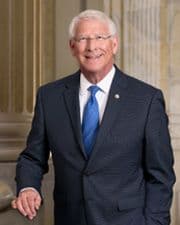
Roger F. Wicker
Republican Senator
Mississippi
Cosponsors (1)
Commerce, Science, and Transportation Committee
- Introduced
- In Committee
- On Floor
- Passed Chamber
- Enacted
Aircraft Safety and Certification Reform Act of 2020 This bill revises the aircraft certification process of the Federal Aviation Administration (FAA). Among other requirements, the FAA must require certain aircraft manufacturers to have in place a safety management system that is consistent with the standards established by the International Civil Aviation Organization; initiate a review of its existing regulations and policies to integrate and emphasize human factors and human system integration, particularly those related to pilot and aircraft interfaces; address the integration of human factors in the design and certification of transport category aircraft; develop a Center of Excellence focused on flight automation and human factors in aircraft that are intended for use in air transportation; revise existing policies for manufacturers of large transport category airplanes that are expected to be operated for passenger air transportation to ensure that pilot operational evaluations use pilots from foreign and domestic air carriers; establish an Office of Continuing Education to provide continuing education and training to FAA personnel who hold positions involving aircraft and flight standards certification, including engineers and inspectors; and maintain a safety reporting program for FAA employees to anonymously and voluntarily report instances where they have identified safety concerns during the certification process.
View Full TextSuggested Questions
Get AI-generated questions to help you understand this bill better
Timeline
Introduced in Senate
Read twice and referred to the Committee on Commerce, Science, and Transportation.
Committee on Commerce, Science, and Transportation. Ordered to be reported with an amendment in the nature of a substitute favorably.
Transportation and Public Works
Advanced technology and technological innovationsAviation and airportsCongressional oversightGovernment employee pay, benefits, personnel managementGovernment studies and investigationsLicensing and registrationsManufacturingTransportation employeesTransportation safety and security
Aircraft Safety and Certification Reform Act of 2020
USA116th CongressS-3969| Senate
| Updated: 11/18/2020
Aircraft Safety and Certification Reform Act of 2020 This bill revises the aircraft certification process of the Federal Aviation Administration (FAA). Among other requirements, the FAA must require certain aircraft manufacturers to have in place a safety management system that is consistent with the standards established by the International Civil Aviation Organization; initiate a review of its existing regulations and policies to integrate and emphasize human factors and human system integration, particularly those related to pilot and aircraft interfaces; address the integration of human factors in the design and certification of transport category aircraft; develop a Center of Excellence focused on flight automation and human factors in aircraft that are intended for use in air transportation; revise existing policies for manufacturers of large transport category airplanes that are expected to be operated for passenger air transportation to ensure that pilot operational evaluations use pilots from foreign and domestic air carriers; establish an Office of Continuing Education to provide continuing education and training to FAA personnel who hold positions involving aircraft and flight standards certification, including engineers and inspectors; and maintain a safety reporting program for FAA employees to anonymously and voluntarily report instances where they have identified safety concerns during the certification process.
View Full TextSuggested Questions
Get AI-generated questions to help you understand this bill better
Timeline
Introduced in Senate
Read twice and referred to the Committee on Commerce, Science, and Transportation.
Committee on Commerce, Science, and Transportation. Ordered to be reported with an amendment in the nature of a substitute favorably.
Roger F. Wicker
Republican Senator
Mississippi
Cosponsors (1)
Commerce, Science, and Transportation Committee
Transportation and Public Works
Related Bills
- Introduced
- In Committee
- On Floor
- Passed Chamber
- Enacted
Advanced technology and technological innovationsAviation and airportsCongressional oversightGovernment employee pay, benefits, personnel managementGovernment studies and investigationsLicensing and registrationsManufacturingTransportation employeesTransportation safety and security