Justice in Policing Act of 2020
USA116th CongressS-3912| Senate
| Updated: 6/8/2020
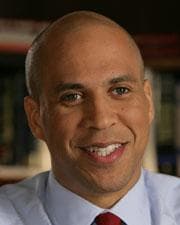
Cory A. Booker
Democratic Senator
New Jersey
Cosponsors (36)
Mazie K. Hirono (Democratic)Tammy Duckworth (Democratic)Tom Udall (Democratic)Dianne Feinstein (Democratic)Patrick J. Leahy (Democratic)Richard J. Durbin (Democratic)Edward J. Markey (Democratic)Charles E. Schumer (Democratic)Kirsten E. Gillibrand (Democratic)Elizabeth Warren (Democratic)Christopher A. Coons (Democratic)Kamala D. Harris (Democratic)Thomas R. Carper (Democratic)Mark R. Warner (Democratic)Amy Klobuchar (Democratic)Doug Jones (Democratic)Robert P. Casey (Democratic)Tim Kaine (Democratic)Jacky Rosen (Democratic)Chris Van Hollen (Democratic)Christopher Murphy (Democratic)Debbie Stabenow (Democratic)Martin Heinrich (Democratic)Michael F. Bennet (Democratic)Patty Murray (Democratic)Tina Smith (Democratic)Sherrod Brown (Democratic)Bernard Sanders (Independent)Brian Schatz (Democratic)Maria Cantwell (Democratic)Tammy Baldwin (Democratic)Benjamin L. Cardin (Democratic)Robert Menendez (Democratic)Jeff Merkley (Democratic)Ron Wyden (Democratic)Richard Blumenthal (Democratic)
Judiciary Committee
- Introduced
- In Committee
- On Floor
- Passed Chamber
- Enacted
Justice in Policing Act of 2020 This bill addresses a wide range of policies and issues regarding policing practices and law enforcement accountability. It includes measures to increase accountability for law enforcement misconduct, to enhance transparency and data collection, and to eliminate discriminatory policing practices. The bill facilitates federal enforcement of constitutional violations (e.g., excessive use of force) by state and local law enforcement. Among other things, it does the following: lowers the criminal intent standard—from willful to knowing or reckless—to convict a law enforcement officer for misconduct in a federal prosecution, limits qualified immunity as a defense to liability in a private civil action against a law enforcement officer or state correctional officer, and authorizes the Department of Justice to issue subpoenas in investigations of police departments for a pattern or practice of discrimination. The bill also creates a national registry—the National Police Misconduct Registry—to compile data on complaints and records of police misconduct. It establishes a framework to prohibit racial profiling at the federal, state, and local levels. The bill establishes new requirements for law enforcement officers and agencies, including to report data on use-of-force incidents, to obtain training on implicit bias and racial profiling, and to wear body cameras.
View Full TextSuggested Questions
Get AI-generated questions to help you understand this bill better
Timeline
Introduced in Senate
Read twice and referred to the Committee on the Judiciary.
Crime and Law Enforcement
Administrative law and regulatory proceduresAdministrative remediesAgingAssault and harassment offensesAviation and airportsCardiovascular and respiratory healthChild safety and welfareCivil actions and liabilityCommunity life and organizationCongressional oversightCorrectional facilities and imprisonmentCrime victimsCriminal investigation, prosecution, interrogationCriminal justice information and recordsCustoms enforcementDepartment of JusticeDetention of personsDrug trafficking and controlled substancesDue process and equal protectionElementary and secondary educationEmployee hiringEmployee performanceEmployment and training programsEmployment discrimination and employee rightsEvidence and witnessesExecutive agency funding and structureFirearms and explosivesForeign language and bilingual programsGovernment ethics and transparency, public corruptionGovernment information and archivesGovernment studies and investigationsHate crimesHuman rightsImmigration status and proceduresJudicial procedure and administrationJuvenile crime and gang violenceLabor-management relationsLaw enforcement administration and fundingLaw enforcement officersLegal fees and court costsMental healthMilitary civil functionsMilitary facilities and propertyMotor vehiclesPedestrians and bicyclingPerformance measurementPersonnel recordsPhotography and imagingRacial and ethnic relationsReligionRight of privacySound recordingState and local government operationsTelephone and wireless communicationViolent crimeWomen's health
Justice in Policing Act of 2020
USA116th CongressS-3912| Senate
| Updated: 6/8/2020
Justice in Policing Act of 2020 This bill addresses a wide range of policies and issues regarding policing practices and law enforcement accountability. It includes measures to increase accountability for law enforcement misconduct, to enhance transparency and data collection, and to eliminate discriminatory policing practices. The bill facilitates federal enforcement of constitutional violations (e.g., excessive use of force) by state and local law enforcement. Among other things, it does the following: lowers the criminal intent standard—from willful to knowing or reckless—to convict a law enforcement officer for misconduct in a federal prosecution, limits qualified immunity as a defense to liability in a private civil action against a law enforcement officer or state correctional officer, and authorizes the Department of Justice to issue subpoenas in investigations of police departments for a pattern or practice of discrimination. The bill also creates a national registry—the National Police Misconduct Registry—to compile data on complaints and records of police misconduct. It establishes a framework to prohibit racial profiling at the federal, state, and local levels. The bill establishes new requirements for law enforcement officers and agencies, including to report data on use-of-force incidents, to obtain training on implicit bias and racial profiling, and to wear body cameras.
View Full TextSuggested Questions
Get AI-generated questions to help you understand this bill better
Timeline
Introduced in Senate
Read twice and referred to the Committee on the Judiciary.
Cory A. Booker
Democratic Senator
New Jersey
Cosponsors (36)
Mazie K. Hirono (Democratic)Tammy Duckworth (Democratic)Tom Udall (Democratic)Dianne Feinstein (Democratic)Patrick J. Leahy (Democratic)Richard J. Durbin (Democratic)Edward J. Markey (Democratic)Charles E. Schumer (Democratic)Kirsten E. Gillibrand (Democratic)Elizabeth Warren (Democratic)Christopher A. Coons (Democratic)Kamala D. Harris (Democratic)Thomas R. Carper (Democratic)Mark R. Warner (Democratic)Amy Klobuchar (Democratic)Doug Jones (Democratic)Robert P. Casey (Democratic)Tim Kaine (Democratic)Jacky Rosen (Democratic)Chris Van Hollen (Democratic)Christopher Murphy (Democratic)Debbie Stabenow (Democratic)Martin Heinrich (Democratic)Michael F. Bennet (Democratic)Patty Murray (Democratic)Tina Smith (Democratic)Sherrod Brown (Democratic)Bernard Sanders (Independent)Brian Schatz (Democratic)Maria Cantwell (Democratic)Tammy Baldwin (Democratic)Benjamin L. Cardin (Democratic)Robert Menendez (Democratic)Jeff Merkley (Democratic)Ron Wyden (Democratic)Richard Blumenthal (Democratic)
Judiciary Committee
Crime and Law Enforcement
Related Bills
- HR 116-7100: George Floyd Law Enforcement Trust and Integrity Act of 2020
- HR 116-3364: Federal Police Camera and Accountability Act of 2019
- HR 116-7120: George Floyd Justice in Policing Act of 2020
- S 116-3063: Law Enforcement Trust and Integrity Act of 2019
- HR 116-3536: Justice for Victims of Lynching Act of 2019
- S 116-2355: End Racial and Religious Profiling Act of 2019
- S 116-3956: End Police Use of Chokeholds Act of 2020
- S 116-488: Justice for Victims of Lynching Act of 2019
- HR 116-4168: Law Enforcement Inclusion Act of 2019
- HR 116-35: Emmett Till Antilynching Act
- Introduced
- In Committee
- On Floor
- Passed Chamber
- Enacted
Administrative law and regulatory proceduresAdministrative remediesAgingAssault and harassment offensesAviation and airportsCardiovascular and respiratory healthChild safety and welfareCivil actions and liabilityCommunity life and organizationCongressional oversightCorrectional facilities and imprisonmentCrime victimsCriminal investigation, prosecution, interrogationCriminal justice information and recordsCustoms enforcementDepartment of JusticeDetention of personsDrug trafficking and controlled substancesDue process and equal protectionElementary and secondary educationEmployee hiringEmployee performanceEmployment and training programsEmployment discrimination and employee rightsEvidence and witnessesExecutive agency funding and structureFirearms and explosivesForeign language and bilingual programsGovernment ethics and transparency, public corruptionGovernment information and archivesGovernment studies and investigationsHate crimesHuman rightsImmigration status and proceduresJudicial procedure and administrationJuvenile crime and gang violenceLabor-management relationsLaw enforcement administration and fundingLaw enforcement officersLegal fees and court costsMental healthMilitary civil functionsMilitary facilities and propertyMotor vehiclesPedestrians and bicyclingPerformance measurementPersonnel recordsPhotography and imagingRacial and ethnic relationsReligionRight of privacySound recordingState and local government operationsTelephone and wireless communicationViolent crimeWomen's health