Hong Kong Autonomy Act
USA116th CongressS-3798| Senate
| Updated: 6/29/2020
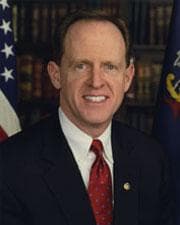
Patrick Toomey
Republican Senator
Pennsylvania
Cosponsors (11)
Banking, Housing, and Urban Affairs Committee
- Introduced
- In Committee
- On Floor
- Passed Chamber
- Enacted
Hong Kong Autonomy Act This bill imposes sanctions on foreign individuals and entities that materially contribute to China's failure to preserve Hong Kong's autonomy. Hong Kong is part of China but has a largely separate legal and economic system with protections for civil rights such as freedom of speech. This arrangement is enshrined in (1) the Joint Declaration, a 1984 treaty pertaining to the United Kingdom's transfer of Hong Kong's sovereignty to China; and (2) the Basic Law, Hong Kong's constitutional document. The Department of State shall report annually to Congress information about (1) foreign individuals and entities that materially contributed to China's failure to comply with the Joint Declaration or the Basic Law; and (2) foreign financial institutions that knowingly conducted a significant transaction with such identified individuals and entities. An individual, entity, or financial institution may be excluded from this report for various reasons, such as to protect an intelligence source. The President shall impose property-blocking sanctions on an individual or entity named in a report, and visa-blocking sanctions on a named individual. The President shall impose various sanctions on a financial institution named in a report, such as prohibiting the institution from receiving loans from a U.S. financial institution. The President may waive or terminate the imposition of sanctions under this bill. Congress may override such a waiver or termination by passing a joint resolution of disapproval.
Suggested Questions
Get AI-generated questions to help you understand this bill better
Timeline
Introduced in Senate
Read twice and referred to the Committee on Banking, Housing, and Urban Affairs.
Committee on Banking, Housing, and Urban Affairs. Hearings held. Hearings printed: S.Hrg. 116-320.
Passed/agreed to in Senate: Passed Senate with an amendment by Voice Vote.(text of amendment in the nature of a substitute: CR S3285-3289)
Passed Senate with an amendment by Voice Vote. (text of amendment in the nature of a substitute: CR S3285-3289)
Measure laid before Senate by unanimous consent. (consideration: CR S3285-3289)
Senate Committee on Banking, Housing, and Urban Affairs discharged by Unanimous Consent.
Message on Senate action sent to the House.
Received in the House.
Held at the desk.
International Affairs
AsiaBanking and financial institutions regulationChinaCongressional oversightCorporate finance and managementForeign and international bankingForeign loans and debtForeign propertyHong KongHuman rightsIntelligence activities, surveillance, classified informationInternational monetary system and foreign exchangeLegislative rules and procedureNews media and reportingPresidents and presidential powers, Vice PresidentsProtest and dissentRule of law and government transparencySanctionsSovereignty, recognition, national governance and statusTrade restrictionsU.S. and foreign investmentsVisas and passportsWar and emergency powers
Hong Kong Autonomy Act
USA116th CongressS-3798| Senate
| Updated: 6/29/2020
Hong Kong Autonomy Act This bill imposes sanctions on foreign individuals and entities that materially contribute to China's failure to preserve Hong Kong's autonomy. Hong Kong is part of China but has a largely separate legal and economic system with protections for civil rights such as freedom of speech. This arrangement is enshrined in (1) the Joint Declaration, a 1984 treaty pertaining to the United Kingdom's transfer of Hong Kong's sovereignty to China; and (2) the Basic Law, Hong Kong's constitutional document. The Department of State shall report annually to Congress information about (1) foreign individuals and entities that materially contributed to China's failure to comply with the Joint Declaration or the Basic Law; and (2) foreign financial institutions that knowingly conducted a significant transaction with such identified individuals and entities. An individual, entity, or financial institution may be excluded from this report for various reasons, such as to protect an intelligence source. The President shall impose property-blocking sanctions on an individual or entity named in a report, and visa-blocking sanctions on a named individual. The President shall impose various sanctions on a financial institution named in a report, such as prohibiting the institution from receiving loans from a U.S. financial institution. The President may waive or terminate the imposition of sanctions under this bill. Congress may override such a waiver or termination by passing a joint resolution of disapproval.
Suggested Questions
Get AI-generated questions to help you understand this bill better
Timeline
Introduced in Senate
Read twice and referred to the Committee on Banking, Housing, and Urban Affairs.
Committee on Banking, Housing, and Urban Affairs. Hearings held. Hearings printed: S.Hrg. 116-320.
Passed/agreed to in Senate: Passed Senate with an amendment by Voice Vote.(text of amendment in the nature of a substitute: CR S3285-3289)
Passed Senate with an amendment by Voice Vote. (text of amendment in the nature of a substitute: CR S3285-3289)
Measure laid before Senate by unanimous consent. (consideration: CR S3285-3289)
Senate Committee on Banking, Housing, and Urban Affairs discharged by Unanimous Consent.
Message on Senate action sent to the House.
Received in the House.
Held at the desk.
Patrick Toomey
Republican Senator
Pennsylvania
Cosponsors (11)
Banking, Housing, and Urban Affairs Committee
International Affairs
Related Bills
- Introduced
- In Committee
- On Floor
- Passed Chamber
- Enacted
AsiaBanking and financial institutions regulationChinaCongressional oversightCorporate finance and managementForeign and international bankingForeign loans and debtForeign propertyHong KongHuman rightsIntelligence activities, surveillance, classified informationInternational monetary system and foreign exchangeLegislative rules and procedureNews media and reportingPresidents and presidential powers, Vice PresidentsProtest and dissentRule of law and government transparencySanctionsSovereignty, recognition, national governance and statusTrade restrictionsU.S. and foreign investmentsVisas and passportsWar and emergency powers