Strengthening Loan Forgiveness for Public Servants During the COVID–19 Crisis Act
USA116th CongressS-3760| Senate
| Updated: 5/19/2020
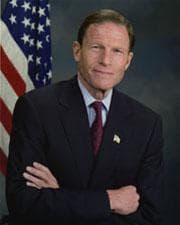
Richard Blumenthal
Democratic Senator
Connecticut
Cosponsors (9)
Health, Education, Labor, and Pensions Committee
- Introduced
- In Committee
- On Floor
- Passed Chamber
- Enacted
Strengthening Loan Forgiveness for Public Servants During the COVID-19 Crisis Act This bill revises the Public Service Loan Forgiveness (PSLF) program to provide for partial loan cancellation based on the length of public service employment. It also allows public service employees who are impacted by the COVID-19 (i.e., coronavirus disease 2019) public health emergency to continue to participate, without disruption, in the PSLF program. First, the bill directs the Department of Education (ED) to cancel 15%, 15%, 20%, 20%, and 30% of the amount a borrower owes after 2, 4, 6, 8, and 10 years of public service employment, respectively, on Federal Direct Loans made after the bill's enactment. In addition, an individual who was employed in a public service job and who experiences lapse in employment (e.g., a furlough, a layoff, or the individual's resignation due to illness or caregiving responsibilities) because of the COVID-19 public health emergency may continue to participate in the PSLF program without disruption. The bill treats such an individual as employed in a public service job during the emergency and deems a monthly payment made by the individual as a qualifying monthly payment toward loan cancellation under the PSLF program. However, unless the individual would have completed requirements for partial or full loan cancellation during the public health emergency, the individual must resume employment in a public service job within six months after the end of the emergency. Finally, ED must develop and make available guidance related to certain assistance provided by the bill.
View Full TextSuggested Questions
Get AI-generated questions to help you understand this bill better
Timeline
Introduced in Senate
Read twice and referred to the Committee on Health, Education, Labor, and Pensions.
Education
Cardiovascular and respiratory healthEmergency medical services and trauma careGovernment employee pay, benefits, personnel managementGovernment information and archivesHealth personnelHigher educationInfectious and parasitic diseasesInterest, dividends, interest ratesLaw enforcement officersMilitary personnel and dependentsNursingSocial work, volunteer service, charitable organizationsStudent aid and college costsTeaching, teachers, curriculaUnemployment
Strengthening Loan Forgiveness for Public Servants During the COVID–19 Crisis Act
USA116th CongressS-3760| Senate
| Updated: 5/19/2020
Strengthening Loan Forgiveness for Public Servants During the COVID-19 Crisis Act This bill revises the Public Service Loan Forgiveness (PSLF) program to provide for partial loan cancellation based on the length of public service employment. It also allows public service employees who are impacted by the COVID-19 (i.e., coronavirus disease 2019) public health emergency to continue to participate, without disruption, in the PSLF program. First, the bill directs the Department of Education (ED) to cancel 15%, 15%, 20%, 20%, and 30% of the amount a borrower owes after 2, 4, 6, 8, and 10 years of public service employment, respectively, on Federal Direct Loans made after the bill's enactment. In addition, an individual who was employed in a public service job and who experiences lapse in employment (e.g., a furlough, a layoff, or the individual's resignation due to illness or caregiving responsibilities) because of the COVID-19 public health emergency may continue to participate in the PSLF program without disruption. The bill treats such an individual as employed in a public service job during the emergency and deems a monthly payment made by the individual as a qualifying monthly payment toward loan cancellation under the PSLF program. However, unless the individual would have completed requirements for partial or full loan cancellation during the public health emergency, the individual must resume employment in a public service job within six months after the end of the emergency. Finally, ED must develop and make available guidance related to certain assistance provided by the bill.
View Full TextSuggested Questions
Get AI-generated questions to help you understand this bill better
Timeline
Introduced in Senate
Read twice and referred to the Committee on Health, Education, Labor, and Pensions.
Richard Blumenthal
Democratic Senator
Connecticut
Cosponsors (9)
Health, Education, Labor, and Pensions Committee
Education
Related Bills
- Introduced
- In Committee
- On Floor
- Passed Chamber
- Enacted
Cardiovascular and respiratory healthEmergency medical services and trauma careGovernment employee pay, benefits, personnel managementGovernment information and archivesHealth personnelHigher educationInfectious and parasitic diseasesInterest, dividends, interest ratesLaw enforcement officersMilitary personnel and dependentsNursingSocial work, volunteer service, charitable organizationsStudent aid and college costsTeaching, teachers, curriculaUnemployment