SMART Act
USA116th CongressS-3752| Senate
| Updated: 6/2/2020
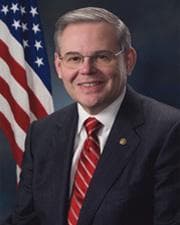
Robert Menendez
Democratic Senator
New Jersey
Cosponsors (6)
Banking, Housing, and Urban Affairs Committee
- Introduced
- In Committee
- On Floor
- Passed Chamber
- Enacted
State Municipal Assistance for Response and Transition Act or the SMART Act This bill provides $500 billion for a Coronavirus Local Community Stabilization Fund to address the economic effects of the COVID-19 (i.e., coronavirus disease 2019) pandemic on state, local, and tribal budgets. The bill also expands the uses of payments from the Coronavirus Relief Fund. The bill allows a jurisdiction to use funding from the Coronavirus Local Community Stabilization Fund or Coronavirus Relief Fund for (1) necessary expenditures related to COVID-19 that were not accounted for in the jurisdiction's budget, including the nonfederal share contribution requirement for disaster or emergency assistance; or (2) expenditures the jurisdiction would otherwise be unable to make because of decreased or delayed revenues. Funding from the Coronavirus Local Community Stabilization Fund may be used for expenditures through 2022. The bill (1) reserves specified funds for payments to tribal governments; (2) apportions funds to states based on population, infected population, and revenue lost; (3) provides for payments to counties and municipalities based on lost revenue. The bill conditions funding on each state agreeing to fair and equitable budgeting based on need. The Office of Inspector General of the Department of the Treasury may use amounts appropriated to carry out oversight and recoupment activities under this bill.
View Full TextSuggested Questions
Get AI-generated questions to help you understand this bill better
Timeline
Introduced in Senate
Read twice and referred to the Committee on Banking, Housing, and Urban Affairs.
Committee on Banking, Housing, and Urban Affairs. Hearings held. Hearings printed: S.Hrg. 116-319.
Government Operations and Politics
AppropriationsCardiovascular and respiratory healthDisaster relief and insuranceEconomic performance and conditionsEmergency medical services and trauma careFederal-Indian relationsIncome tax creditsIncome tax deductionsIncome tax ratesInfectious and parasitic diseasesPoverty and welfare assistanceState and local financeState and local government operationsState and local taxationUser charges and fees
SMART Act
USA116th CongressS-3752| Senate
| Updated: 6/2/2020
State Municipal Assistance for Response and Transition Act or the SMART Act This bill provides $500 billion for a Coronavirus Local Community Stabilization Fund to address the economic effects of the COVID-19 (i.e., coronavirus disease 2019) pandemic on state, local, and tribal budgets. The bill also expands the uses of payments from the Coronavirus Relief Fund. The bill allows a jurisdiction to use funding from the Coronavirus Local Community Stabilization Fund or Coronavirus Relief Fund for (1) necessary expenditures related to COVID-19 that were not accounted for in the jurisdiction's budget, including the nonfederal share contribution requirement for disaster or emergency assistance; or (2) expenditures the jurisdiction would otherwise be unable to make because of decreased or delayed revenues. Funding from the Coronavirus Local Community Stabilization Fund may be used for expenditures through 2022. The bill (1) reserves specified funds for payments to tribal governments; (2) apportions funds to states based on population, infected population, and revenue lost; (3) provides for payments to counties and municipalities based on lost revenue. The bill conditions funding on each state agreeing to fair and equitable budgeting based on need. The Office of Inspector General of the Department of the Treasury may use amounts appropriated to carry out oversight and recoupment activities under this bill.
View Full TextSuggested Questions
Get AI-generated questions to help you understand this bill better
Timeline
Introduced in Senate
Read twice and referred to the Committee on Banking, Housing, and Urban Affairs.
Committee on Banking, Housing, and Urban Affairs. Hearings held. Hearings printed: S.Hrg. 116-319.
Robert Menendez
Democratic Senator
New Jersey
Cosponsors (6)
Banking, Housing, and Urban Affairs Committee
Government Operations and Politics
Related Bills
- Introduced
- In Committee
- On Floor
- Passed Chamber
- Enacted
AppropriationsCardiovascular and respiratory healthDisaster relief and insuranceEconomic performance and conditionsEmergency medical services and trauma careFederal-Indian relationsIncome tax creditsIncome tax deductionsIncome tax ratesInfectious and parasitic diseasesPoverty and welfare assistanceState and local financeState and local government operationsState and local taxationUser charges and fees