Unfunded Mandates Information and Transparency Act of 2020
USA116th CongressS-3689| Senate
| Updated: 5/12/2020
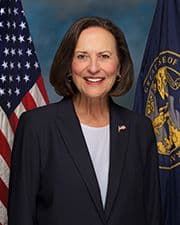
Deb Fischer
Republican Senator
Nebraska
Cosponsors (1)
Homeland Security and Governmental Affairs Committee
- Introduced
- In Committee
- On Floor
- Passed Chamber
- Enacted
Unfunded Mandates Information and Transparency Act of 20 20 This bill broadens the requirements for the Congressional Budget Office (CBO) to study and report on the impact of federal mandates in legislation and estimate their direct costs to state, local, and tribal governments, and the private sector. Specifically, it requires CBO's estimates to include (1) costs to state, local, or tribal governments to implement proposed changes of the conditions for participating in a federal assistance program, upon the request of certain Members of Congress; (2) indirect costs to the private sector, such as foregone profits and costs passed onto consumers and other entities; and (3) costs of rules issued by independent regulatory agencies, except the Board of Governors of the Federal Reserve System or the Federal Open Market Committee. In addition, the bill prohibits consideration of legislation that would increase the direct cost of private sector mandates beyond certain limits, unless such prohibition is waived by Congress. The bill further revises the federal regulatory process by, among other things (1) transferring certain responsibilities from the Office of Management and Budget to the Office of Information and Regulatory Affairs, (2) establishing criteria to guide agencies in assessing the effects of federal regulatory actions, (3) revising requirements for agency statements accompanying significant regulatory actions, (4) requiring agencies to develop a process for private sector parties to provide input on regulatory proposals containing significant federal mandates, and (5) requiring agencies to conduct a retrospective analysis of an existing regulation upon the request of certain Members of Congress.
View Full TextSuggested Questions
Get AI-generated questions to help you understand this bill better
Timeline
Introduced in Senate
Read twice and referred to the Committee on Homeland Security and Governmental Affairs.
Government Operations and Politics
Administrative law and regulatory proceduresCongressional oversightExecutive agency funding and structureFederal-Indian relationsGovernment information and archivesGovernment studies and investigationsIntergovernmental relationsJudicial review and appealsLegislative rules and procedureOffice of Management and Budget (OMB)State and local finance
Unfunded Mandates Information and Transparency Act of 2020
USA116th CongressS-3689| Senate
| Updated: 5/12/2020
Unfunded Mandates Information and Transparency Act of 20 20 This bill broadens the requirements for the Congressional Budget Office (CBO) to study and report on the impact of federal mandates in legislation and estimate their direct costs to state, local, and tribal governments, and the private sector. Specifically, it requires CBO's estimates to include (1) costs to state, local, or tribal governments to implement proposed changes of the conditions for participating in a federal assistance program, upon the request of certain Members of Congress; (2) indirect costs to the private sector, such as foregone profits and costs passed onto consumers and other entities; and (3) costs of rules issued by independent regulatory agencies, except the Board of Governors of the Federal Reserve System or the Federal Open Market Committee. In addition, the bill prohibits consideration of legislation that would increase the direct cost of private sector mandates beyond certain limits, unless such prohibition is waived by Congress. The bill further revises the federal regulatory process by, among other things (1) transferring certain responsibilities from the Office of Management and Budget to the Office of Information and Regulatory Affairs, (2) establishing criteria to guide agencies in assessing the effects of federal regulatory actions, (3) revising requirements for agency statements accompanying significant regulatory actions, (4) requiring agencies to develop a process for private sector parties to provide input on regulatory proposals containing significant federal mandates, and (5) requiring agencies to conduct a retrospective analysis of an existing regulation upon the request of certain Members of Congress.
View Full TextSuggested Questions
Get AI-generated questions to help you understand this bill better
Timeline
Introduced in Senate
Read twice and referred to the Committee on Homeland Security and Governmental Affairs.
Deb Fischer
Republican Senator
Nebraska
Cosponsors (1)
Homeland Security and Governmental Affairs Committee
Government Operations and Politics
- Introduced
- In Committee
- On Floor
- Passed Chamber
- Enacted
Administrative law and regulatory proceduresCongressional oversightExecutive agency funding and structureFederal-Indian relationsGovernment information and archivesGovernment studies and investigationsIntergovernmental relationsJudicial review and appealsLegislative rules and procedureOffice of Management and Budget (OMB)State and local finance