CARES Act
USA116th CongressS-3548| Senate
| Updated: 6/3/2020
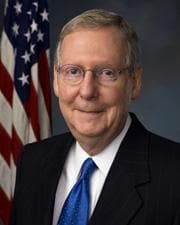
Mitch McConnell
Republican Senator
Kentucky
Cosponsors (6)
Small Business and Entrepreneurship Committee, Finance Committee
- Introduced
- In Committee
- On Floor
- Passed Chamber
- Enacted
Coronavirus Aid, Relief, and Economic Security Act or the CARES Act This bill addresses economic impacts of, and otherwise responds to, the COVID-19 (coronavirus) outbreak. The bill authorizes emergency loans to distressed businesses, including air carriers, and suspends certain aviation excise taxes. With respect to small businesses, the bill establishes, and provides funding for, forgivable bridge loans; and provides additional funding for grants and technical assistance. The bill also provides funding for $1,200 tax rebates to individuals, with additional $500 payments per qualifying child. The rebate begins phasing out when incomes exceed $75,000 (or $150,000 for joint filers). The bill establishes limits on requirements for employers to provide paid leave. With respect to taxes, the bill establishes special rules for certain tax-favored withdrawals from retirement plans; delays due dates for employer payroll taxes and estimated tax payments for corporations; and revises other provisions, including those related to losses, charitable deductions, and business interest. With respect to health care, the bill provides additional funding for the prevention, diagnosis, and treatment of COVID-19; limits liability for volunteer health care professionals; prioritizes Food and Drug Administration (FDA) review of certain drugs; allows emergency use of certain diagnostic tests that are not approved by the FDA; expands health-insurance coverage for diagnostic testing and requires coverage for preventative services and vaccines; revises other provisions, including those regarding the medical supply chain, the national stockpile, the health care workforce, the Healthy Start program, telehealth services, nutrition services, Medicare, and Medicaid. With respect to education, the bill temporarily suspends payments for federal student loans; and otherwise revises provisions related to campus-based aid, supplemental educational-opportunity grants, federal work-study, subsidized loans, Pell grants, and foreign institutions. The bill also authorizes the Department of the Treasury to temporarily guarantee money-market funds.
View Full TextSuggested Questions
Get AI-generated questions to help you understand this bill better
Timeline
Introduced in Senate
Read twice and referred to the Committee on Finance. (text: CR S1834-1859)
Committee on Small Business and Entrepreneurship. Hearings held. Hearings printed: S.Hrg. 116-604.
Latest Companion Bill Action
HR 116-748Committee on Small Business and Entrepreneurship. Hearings held. Hearings printed: S.Hrg. 116-517.
Economics and Public Finance
Administrative law and regulatory proceduresAppropriationsAviation and airportsBusiness educationCardiovascular and respiratory healthCharitable contributionsChild healthCivil actions and liabilityCongressional oversightCorporate finance and managementCorporation for National and Community ServiceDepartment of Health and Human ServicesDisability and health-based discriminationDrug, alcohol, tobacco useDrug safety, medical device, and laboratory regulationDrug therapyEconomic performance and conditionsEducation programs fundingEmergency medical services and trauma careEmployee benefits and pensionsEmployee hiringEmployee leaveEmployment discrimination and employee rightsEmployment taxesEvidence and witnessesExecutive agency funding and structureFederal preemptionFinancial crises and stabilizationFinancial services and investmentsFood and Drug Administration (FDA)Food assistance and reliefForeign and international corporationsGovernment employee pay, benefits, personnel managementGovernment information and archivesGovernment lending and loan guaranteesGovernment studies and investigationsHealth care costs and insuranceHealth care coverage and accessHealth care qualityHealth facilities and institutionsHealth information and medical recordsHealth personnelHealth programs administration and fundingHealth promotion and preventive careHealth technology, devices, suppliesHigher educationHome and outpatient careHospital careHousing discriminationImmunology and vaccinationIncome tax creditsIncome tax deductionsIncome tax exclusionInfectious and parasitic diseasesInterest, dividends, interest ratesJudicial procedure and administrationManufacturingMedicaidMedical tests and diagnostic methodsMedicareMinority and disadvantaged businessesMinority educationMotor fuelsNational and community serviceNutrition and dietPrescription drugsRight of privacyRural conditions and developmentSales and excise taxesSecuritiesSmall businessSmall Business AdministrationSocial work, volunteer service, charitable organizationsState and local financeState and local government operationsStrategic materials and reservesStudent aid and college costsTax administration and collection, taxpayersTaxation of foreign incomeTemporary and part-time employmentTransportation employeesUnemploymentUser charges and feesU.S. territories and protectoratesVeterinary medicine and animal diseasesWages and earningsWomen in business
CARES Act
USA116th CongressS-3548| Senate
| Updated: 6/3/2020
Coronavirus Aid, Relief, and Economic Security Act or the CARES Act This bill addresses economic impacts of, and otherwise responds to, the COVID-19 (coronavirus) outbreak. The bill authorizes emergency loans to distressed businesses, including air carriers, and suspends certain aviation excise taxes. With respect to small businesses, the bill establishes, and provides funding for, forgivable bridge loans; and provides additional funding for grants and technical assistance. The bill also provides funding for $1,200 tax rebates to individuals, with additional $500 payments per qualifying child. The rebate begins phasing out when incomes exceed $75,000 (or $150,000 for joint filers). The bill establishes limits on requirements for employers to provide paid leave. With respect to taxes, the bill establishes special rules for certain tax-favored withdrawals from retirement plans; delays due dates for employer payroll taxes and estimated tax payments for corporations; and revises other provisions, including those related to losses, charitable deductions, and business interest. With respect to health care, the bill provides additional funding for the prevention, diagnosis, and treatment of COVID-19; limits liability for volunteer health care professionals; prioritizes Food and Drug Administration (FDA) review of certain drugs; allows emergency use of certain diagnostic tests that are not approved by the FDA; expands health-insurance coverage for diagnostic testing and requires coverage for preventative services and vaccines; revises other provisions, including those regarding the medical supply chain, the national stockpile, the health care workforce, the Healthy Start program, telehealth services, nutrition services, Medicare, and Medicaid. With respect to education, the bill temporarily suspends payments for federal student loans; and otherwise revises provisions related to campus-based aid, supplemental educational-opportunity grants, federal work-study, subsidized loans, Pell grants, and foreign institutions. The bill also authorizes the Department of the Treasury to temporarily guarantee money-market funds.
View Full TextSuggested Questions
Get AI-generated questions to help you understand this bill better
Timeline
Introduced in Senate
Read twice and referred to the Committee on Finance. (text: CR S1834-1859)
Committee on Small Business and Entrepreneurship. Hearings held. Hearings printed: S.Hrg. 116-604.
Latest Companion Bill Action
HR 116-748Committee on Small Business and Entrepreneurship. Hearings held. Hearings printed: S.Hrg. 116-517.
Mitch McConnell
Republican Senator
Kentucky
Cosponsors (6)
Small Business and Entrepreneurship Committee, Finance Committee
Economics and Public Finance
Related Bills
- HR 116-748: CARES Act
- S 116-2589: A bill to amend the Internal Revenue Code of 1986 to restore the limitation on downward attribution of stock ownership in applying the constructive ownership rules to controlled foreign corporations, and for other purposes.
- HR 116-4870: United States Public Health Service Modernization Act of 2019
- HR 116-4509: To amend the Internal Revenue Code of 1986 to restore the limitation on downward attribution of stock ownership in applying the constructive ownership rules to controlled foreign corporations, and for other purposes.
- HR 116-1922: Restoring Access to Medication Act of 2019
- S 116-3535: Tax Filing Relief for America Act
- S 116-3374: ‘Protecting Jessica Grubb’s Legacy Act'
- S 116-3539: Telehealth Expansion Act
- S 116-2326: NOVEL Act of 2019
- S 116-3437: Improving Care in Rural America Reauthorization Act of 2020
- Introduced
- In Committee
- On Floor
- Passed Chamber
- Enacted
Administrative law and regulatory proceduresAppropriationsAviation and airportsBusiness educationCardiovascular and respiratory healthCharitable contributionsChild healthCivil actions and liabilityCongressional oversightCorporate finance and managementCorporation for National and Community ServiceDepartment of Health and Human ServicesDisability and health-based discriminationDrug, alcohol, tobacco useDrug safety, medical device, and laboratory regulationDrug therapyEconomic performance and conditionsEducation programs fundingEmergency medical services and trauma careEmployee benefits and pensionsEmployee hiringEmployee leaveEmployment discrimination and employee rightsEmployment taxesEvidence and witnessesExecutive agency funding and structureFederal preemptionFinancial crises and stabilizationFinancial services and investmentsFood and Drug Administration (FDA)Food assistance and reliefForeign and international corporationsGovernment employee pay, benefits, personnel managementGovernment information and archivesGovernment lending and loan guaranteesGovernment studies and investigationsHealth care costs and insuranceHealth care coverage and accessHealth care qualityHealth facilities and institutionsHealth information and medical recordsHealth personnelHealth programs administration and fundingHealth promotion and preventive careHealth technology, devices, suppliesHigher educationHome and outpatient careHospital careHousing discriminationImmunology and vaccinationIncome tax creditsIncome tax deductionsIncome tax exclusionInfectious and parasitic diseasesInterest, dividends, interest ratesJudicial procedure and administrationManufacturingMedicaidMedical tests and diagnostic methodsMedicareMinority and disadvantaged businessesMinority educationMotor fuelsNational and community serviceNutrition and dietPrescription drugsRight of privacyRural conditions and developmentSales and excise taxesSecuritiesSmall businessSmall Business AdministrationSocial work, volunteer service, charitable organizationsState and local financeState and local government operationsStrategic materials and reservesStudent aid and college costsTax administration and collection, taxpayersTaxation of foreign incomeTemporary and part-time employmentTransportation employeesUnemploymentUser charges and feesU.S. territories and protectoratesVeterinary medicine and animal diseasesWages and earningsWomen in business