Head Start Improvement Act of 2019
USA116th CongressS-2996| Senate
| Updated: 12/5/2019
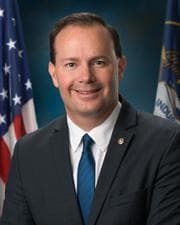
Mike Lee
Republican Senator
Utah
Health, Education, Labor, and Pensions Committee
- Introduced
- In Committee
- On Floor
- Passed Chamber
- Enacted
Head Start Improvement Act of 2019 This bill replaces the existing Head Start program with block grants to states and Indian tribes for prekindergarten (pre-K) education. Instead of providing direct financial assistance to Head Start agencies, the Department of Health and Human Services (HHS) shall allot block grant funds for pre-K education among eligible states and tribes in accordance with their relative proportions of children, age three, four, or five, from low-income households. Grant recipients shall use the grant funds to (1) award subgrants to eligible entities that provide pre-K education programs; (2) administer such programs; and (3) provide technical assistance, oversight, monitoring, research, and training. Under current law, HHS is authorized to designate, monitor, and establish standards for Head Start agencies. The bill instead shifts pre-K program oversight and control to states and tribes, which shall have full flexibility to use grant funds to finance the pre-K programs of their choice. In addition, to the extent permitted under state law, grant recipients may use grant funds to establish (1) portable voucher systems that allow costs to be paid for attendance at private pre-K education programs; and (2) an education savings account that allows a parent of a low-income child to use a portion of the grant funds, or other available public or private funds added to the account, for expenses related to prekindergarten education. Under current law, federal financial assistance for a Head Start program is generally limited to 80% of total program costs. The bill maintains this limitation by requiring grant recipients to provide matching funds equal to 20% of the grant amount.
View Full TextSuggested Questions
Get AI-generated questions to help you understand this bill better
Timeline
Introduced in Senate
Read twice and referred to the Committee on Health, Education, Labor, and Pensions.
Education
Congressional oversightEducation of the disadvantagedEducation programs fundingGovernment studies and investigationsPreschool education
Head Start Improvement Act of 2019
USA116th CongressS-2996| Senate
| Updated: 12/5/2019
Head Start Improvement Act of 2019 This bill replaces the existing Head Start program with block grants to states and Indian tribes for prekindergarten (pre-K) education. Instead of providing direct financial assistance to Head Start agencies, the Department of Health and Human Services (HHS) shall allot block grant funds for pre-K education among eligible states and tribes in accordance with their relative proportions of children, age three, four, or five, from low-income households. Grant recipients shall use the grant funds to (1) award subgrants to eligible entities that provide pre-K education programs; (2) administer such programs; and (3) provide technical assistance, oversight, monitoring, research, and training. Under current law, HHS is authorized to designate, monitor, and establish standards for Head Start agencies. The bill instead shifts pre-K program oversight and control to states and tribes, which shall have full flexibility to use grant funds to finance the pre-K programs of their choice. In addition, to the extent permitted under state law, grant recipients may use grant funds to establish (1) portable voucher systems that allow costs to be paid for attendance at private pre-K education programs; and (2) an education savings account that allows a parent of a low-income child to use a portion of the grant funds, or other available public or private funds added to the account, for expenses related to prekindergarten education. Under current law, federal financial assistance for a Head Start program is generally limited to 80% of total program costs. The bill maintains this limitation by requiring grant recipients to provide matching funds equal to 20% of the grant amount.
View Full TextSuggested Questions
Get AI-generated questions to help you understand this bill better
Timeline
Introduced in Senate
Read twice and referred to the Committee on Health, Education, Labor, and Pensions.
Mike Lee
Republican Senator
Utah
Health, Education, Labor, and Pensions Committee
Education
Related Bills
- Introduced
- In Committee
- On Floor
- Passed Chamber
- Enacted
Congressional oversightEducation of the disadvantagedEducation programs fundingGovernment studies and investigationsPreschool education