ILLICIT CASH Act
USA116th CongressS-2563| Senate
| Updated: 6/30/2020
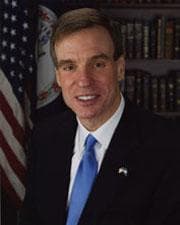
Mark R. Warner
Democratic Senator
Virginia
Cosponsors (11)
Banking, Housing, and Urban Affairs Committee
- Introduced
- In Committee
- On Floor
- Passed Chamber
- Enacted
Improving Laundering Laws and Increasing Comprehensive Information Tracking of Criminal Activity in Shell Holdings Act or the ILLICIT CASH Act This bill expands disclosure requirements regarding the ownership of corporations and sets forth additional requirements regarding anti-money laundering and combating the financing of terrorism programs (known as AML-CFT programs). Corporations must disclose their beneficial owners to the Financial Crimes Enforcement Network (FinCEN). The bill defines a beneficial owner as an individual who (1) exercises substantial control over a corporation or limited liability company, (2) owns 25% or more of the interest in a corporation or limited liability company, or (3) receives substantial economic benefits from the assets of a corporation or limited liability company. The bill also generally expands and revises existing AML-CFT provisions, including by compelling foreign banks to comply with subpoenas for records and allowing fines for foreign banks that fail to comply, establishing a financial institution liaison at FinCEN, initiating a review of thresholds for currency transaction reports and suspicious activity reports, and expanding the regulation of digital currencies. The bill also requires increased communication and data sharing between law enforcement, financial regulators, and financial institutions. The bill provides statutory authority for the Securities and Exchange Commission to seek disgorgement (i.e., repayment) as a remedy for unjust enrichment that a person gained through a securities law violation. The bill also revises administrative requirements of FinCEN, including by revising the pay scale of employees.
View Full TextSuggested Questions
Get AI-generated questions to help you understand this bill better
Timeline
Introduced in Senate
Read twice and referred to the Committee on Banking, Housing, and Urban Affairs.
Committee on Banking, Housing, and Urban Affairs. Hearings held. Hearings printed: S.Hrg. 116-271.
Committee on Banking, Housing, and Urban Affairs. Hearings held.
Finance and Financial Sector
Administrative law and regulatory proceduresAdministrative remediesAdvisory bodiesAsiaBanking and financial institutions regulationBusiness recordsChinaCivil actions and liabilityCongressional oversightCorporate finance and managementCriminal investigation, prosecution, interrogationCurrencyDepartment of the TreasuryDigital mediaDiplomacy, foreign officials, Americans abroadDrug trafficking and controlled substancesEmployment discrimination and employee rightsEvidence and witnessesFinancial services and investmentsForeign and international bankingFraud offenses and financial crimesGovernment employee pay, benefits, personnel managementGovernment ethics and transparency, public corruptionGovernment information and archivesGovernment studies and investigationsGovernment trust fundsHuman traffickingInternational monetary system and foreign exchangeInternet and video servicesInternet, web applications, social mediaReal estate businessSecuritiesSocial work, volunteer service, charitable organizationsState and local government operationsTerrorism
ILLICIT CASH Act
USA116th CongressS-2563| Senate
| Updated: 6/30/2020
Improving Laundering Laws and Increasing Comprehensive Information Tracking of Criminal Activity in Shell Holdings Act or the ILLICIT CASH Act This bill expands disclosure requirements regarding the ownership of corporations and sets forth additional requirements regarding anti-money laundering and combating the financing of terrorism programs (known as AML-CFT programs). Corporations must disclose their beneficial owners to the Financial Crimes Enforcement Network (FinCEN). The bill defines a beneficial owner as an individual who (1) exercises substantial control over a corporation or limited liability company, (2) owns 25% or more of the interest in a corporation or limited liability company, or (3) receives substantial economic benefits from the assets of a corporation or limited liability company. The bill also generally expands and revises existing AML-CFT provisions, including by compelling foreign banks to comply with subpoenas for records and allowing fines for foreign banks that fail to comply, establishing a financial institution liaison at FinCEN, initiating a review of thresholds for currency transaction reports and suspicious activity reports, and expanding the regulation of digital currencies. The bill also requires increased communication and data sharing between law enforcement, financial regulators, and financial institutions. The bill provides statutory authority for the Securities and Exchange Commission to seek disgorgement (i.e., repayment) as a remedy for unjust enrichment that a person gained through a securities law violation. The bill also revises administrative requirements of FinCEN, including by revising the pay scale of employees.
View Full TextSuggested Questions
Get AI-generated questions to help you understand this bill better
Timeline
Introduced in Senate
Read twice and referred to the Committee on Banking, Housing, and Urban Affairs.
Committee on Banking, Housing, and Urban Affairs. Hearings held. Hearings printed: S.Hrg. 116-271.
Committee on Banking, Housing, and Urban Affairs. Hearings held.
Mark R. Warner
Democratic Senator
Virginia
Cosponsors (11)
Banking, Housing, and Urban Affairs Committee
Finance and Financial Sector
Related Bills
- HR 116-1414: FinCEN Improvement Act of 2019
- S 116-582: FinCEN Improvement Act of 2019
- HR 116-758: Cooperate with Law Enforcement Agencies and Watch Act of 2019
- S 116-1592: Cooperate with Law Enforcement Agencies and Watch Act of 2019
- S 116-799: Securities Fraud Enforcement and Investor Compensation Act of 2019
- S 116-410: FIND Trafficking Act
- HR 116-502: FIND Trafficking Act
- Introduced
- In Committee
- On Floor
- Passed Chamber
- Enacted
Administrative law and regulatory proceduresAdministrative remediesAdvisory bodiesAsiaBanking and financial institutions regulationBusiness recordsChinaCivil actions and liabilityCongressional oversightCorporate finance and managementCriminal investigation, prosecution, interrogationCurrencyDepartment of the TreasuryDigital mediaDiplomacy, foreign officials, Americans abroadDrug trafficking and controlled substancesEmployment discrimination and employee rightsEvidence and witnessesFinancial services and investmentsForeign and international bankingFraud offenses and financial crimesGovernment employee pay, benefits, personnel managementGovernment ethics and transparency, public corruptionGovernment information and archivesGovernment studies and investigationsGovernment trust fundsHuman traffickingInternational monetary system and foreign exchangeInternet and video servicesInternet, web applications, social mediaReal estate businessSecuritiesSocial work, volunteer service, charitable organizationsState and local government operationsTerrorism