Save Our Seas 2.0: Enhanced Global Engagement to Combat Marine Debris Act
USA116th CongressS-2372| Senate
| Updated: 9/26/2019
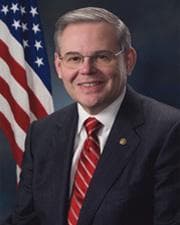
Robert Menendez
Democratic Senator
New Jersey
Cosponsors (11)
Jeanne Shaheen (Democratic)Dan Sullivan (Republican)Christopher A. Coons (Democratic)Sheldon Whitehouse (Democratic)Ted Cruz (Republican)Christopher Murphy (Democratic)Cory A. Booker (Democratic)Benjamin L. Cardin (Democratic)Jeff Merkley (Democratic)Susan M. Collins (Republican)Richard Blumenthal (Democratic)
Foreign Relations Committee
- Introduced
- In Committee
- On Floor
- Passed Chamber
- Enacted
Save Our Seas 2.0: Enhanced Global Engagement to Combat Marine Debris Act This bill directs the Department of State and the President to make efforts to reduce marine debris. The State Department shall implement the U.S. policy to cooperate with foreign governments and the private sector to combat marine debris, which includes support for (1) strengthening systems for processing and reusing waste plastic, (2) developing and using reusable alternatives to disposable plastic products, and (3) deploying technology for capturing value from post-consumer materials and municipal solid waste streams. The President shall direct U.S. representatives to various international bodies to support U.S. marine debris policies. The Environmental Protection Agency is authorized to build partnerships in support such policies. The State Department shall report to Congress on the potential for entering into new agreements or creating a new forum to reduce land-based sources of marine debris and derelict fishing gear.
Suggested Questions
Get AI-generated questions to help you understand this bill better
Timeline
Introduced in Senate
Read twice and referred to the Committee on Foreign Relations.
Committee on Foreign Relations. Ordered to be reported with an amendment favorably.
Committee on Foreign Relations. Reported by Senator Risch with an amendment in the nature of a substitute. Without written report.
Placed on Senate Legislative Calendar under General Orders. Calendar No. 239.
International Affairs
Advanced technology and technological innovationsAquatic ecologyConsumer affairsEconomic developmentEnvironmental assessment, monitoring, researchForeign aid and international reliefHazardous wastes and toxic substancesInternational law and treatiesInternational organizations and cooperationLakes and riversMarine and coastal resources, fisheriesMarine pollutionMultilateral development programsSolid waste and recyclingWater qualityWildlife conservation and habitat protection
Save Our Seas 2.0: Enhanced Global Engagement to Combat Marine Debris Act
USA116th CongressS-2372| Senate
| Updated: 9/26/2019
Save Our Seas 2.0: Enhanced Global Engagement to Combat Marine Debris Act This bill directs the Department of State and the President to make efforts to reduce marine debris. The State Department shall implement the U.S. policy to cooperate with foreign governments and the private sector to combat marine debris, which includes support for (1) strengthening systems for processing and reusing waste plastic, (2) developing and using reusable alternatives to disposable plastic products, and (3) deploying technology for capturing value from post-consumer materials and municipal solid waste streams. The President shall direct U.S. representatives to various international bodies to support U.S. marine debris policies. The Environmental Protection Agency is authorized to build partnerships in support such policies. The State Department shall report to Congress on the potential for entering into new agreements or creating a new forum to reduce land-based sources of marine debris and derelict fishing gear.
Suggested Questions
Get AI-generated questions to help you understand this bill better
Timeline
Introduced in Senate
Read twice and referred to the Committee on Foreign Relations.
Committee on Foreign Relations. Ordered to be reported with an amendment favorably.
Committee on Foreign Relations. Reported by Senator Risch with an amendment in the nature of a substitute. Without written report.
Placed on Senate Legislative Calendar under General Orders. Calendar No. 239.
Robert Menendez
Democratic Senator
New Jersey
Cosponsors (11)
Jeanne Shaheen (Democratic)Dan Sullivan (Republican)Christopher A. Coons (Democratic)Sheldon Whitehouse (Democratic)Ted Cruz (Republican)Christopher Murphy (Democratic)Cory A. Booker (Democratic)Benjamin L. Cardin (Democratic)Jeff Merkley (Democratic)Susan M. Collins (Republican)Richard Blumenthal (Democratic)
Foreign Relations Committee
International Affairs
- Introduced
- In Committee
- On Floor
- Passed Chamber
- Enacted
Advanced technology and technological innovationsAquatic ecologyConsumer affairsEconomic developmentEnvironmental assessment, monitoring, researchForeign aid and international reliefHazardous wastes and toxic substancesInternational law and treatiesInternational organizations and cooperationLakes and riversMarine and coastal resources, fisheriesMarine pollutionMultilateral development programsSolid waste and recyclingWater qualityWildlife conservation and habitat protection