Digital Citizenship and Media Literacy Act
USA116th CongressS-2240| Senate
| Updated: 7/23/2019
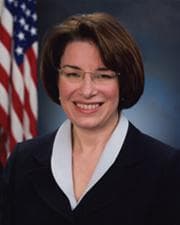
Amy Klobuchar
Democratic Senator
Minnesota
Cosponsors (7)
Health, Education, Labor, and Pensions Committee
- Introduced
- In Committee
- On Floor
- Passed Chamber
- Enacted
Digital Citizenship and Media Literacy Act This bill directs the Department of Education to award grants to state and local educational agencies to promote media literacy and digital citizenship. Media literacy includes the ability to access relevant information, analyze media content, evaluate the accuracy of information, and make educated decisions about products and services, education, health, and wellness based on information obtained from media and digital sources. Digital citizenship includes the ability to safely, responsibly, and ethically use communication technologies and to participate in the political, economic, social, and cultural aspects of life related to technology and the digital world. A state educational agency must use grant funds to carry out one or more specified activities, specifically (1) creating and supporting a media literacy advisory council, (2) assisting local educational agencies in the development of instruction in media literacy, (3) assisting local agencies in developing means of evaluating student learning in media literacy, and (4) assisting local agencies in developing or providing professional development for teachers that relates to media literacy.
View Full TextSuggested Questions
Get AI-generated questions to help you understand this bill better
Timeline
Introduced in Senate
Read twice and referred to the Committee on Health, Education, Labor, and Pensions.
Education
Academic performance and assessmentsAdvisory bodiesComputers and information technologyCongressional oversightDigital mediaEducation of the disadvantagedEducation programs fundingElementary and secondary educationFraud offenses and financial crimesGovernment information and archivesGovernment studies and investigationsNews media and reportingSchool administrationTeaching, teachers, curricula
Digital Citizenship and Media Literacy Act
USA116th CongressS-2240| Senate
| Updated: 7/23/2019
Digital Citizenship and Media Literacy Act This bill directs the Department of Education to award grants to state and local educational agencies to promote media literacy and digital citizenship. Media literacy includes the ability to access relevant information, analyze media content, evaluate the accuracy of information, and make educated decisions about products and services, education, health, and wellness based on information obtained from media and digital sources. Digital citizenship includes the ability to safely, responsibly, and ethically use communication technologies and to participate in the political, economic, social, and cultural aspects of life related to technology and the digital world. A state educational agency must use grant funds to carry out one or more specified activities, specifically (1) creating and supporting a media literacy advisory council, (2) assisting local educational agencies in the development of instruction in media literacy, (3) assisting local agencies in developing means of evaluating student learning in media literacy, and (4) assisting local agencies in developing or providing professional development for teachers that relates to media literacy.
View Full TextSuggested Questions
Get AI-generated questions to help you understand this bill better
Timeline
Introduced in Senate
Read twice and referred to the Committee on Health, Education, Labor, and Pensions.
Amy Klobuchar
Democratic Senator
Minnesota
Cosponsors (7)
Health, Education, Labor, and Pensions Committee
Education
- Introduced
- In Committee
- On Floor
- Passed Chamber
- Enacted
Academic performance and assessmentsAdvisory bodiesComputers and information technologyCongressional oversightDigital mediaEducation of the disadvantagedEducation programs fundingElementary and secondary educationFraud offenses and financial crimesGovernment information and archivesGovernment studies and investigationsNews media and reportingSchool administrationTeaching, teachers, curricula