Missing Persons and Unidentified Remains Act of 2019
USA116th CongressS-2174| Senate
| Updated: 12/31/2020
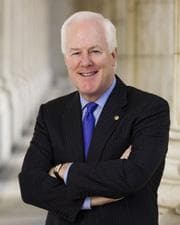
John Cornyn
Republican Senator
Texas
Judiciary Committee
- Introduced
- In Committee
- On Floor
- Passed Chamber
- Enacted
Missing Persons and Unidentified Remains Act of 2019 This bill revises the authority for state grants to improve the reporting of unidentified and missing persons. The bill authorizes grants to be used for additional activities. In particular, grants may be used to improve the transportation, processing, and identification of missing persons and unidentified remains, including with respect to migrants. Further, the bill expands eligible entities to include local governments, medical examiners' offices, certain accredited and publicly funded laboratories, and certain nonprofit organizations. In addition, the bill expands the allowable uses of grant funds to include costs related to transportation, hiring, and procuring forensic equipment. The bill requires any DNA reference sample that is received from a suspected biological family member and uploaded into the Combined DNA Index System to be used only for identifying missing persons and unidentified remains. Next, the bill requires the U.S. Customs and Border Protection (CBP) to purchase, deploy, and maintain no more than 170 rescue beacons along the southern border to mitigate migrant deaths. The bill also requires the CBP, the Department of Justice, and the Government Accountability Office to submit specified reports to Congress.
Suggested Questions
Get AI-generated questions to help you understand this bill better
Timeline
Introduced in Senate
Read twice and referred to the Committee on the Judiciary.
Passed Senate with an amendment by Unanimous Consent. (text: CR S6714-6715)
Passed/agreed to in Senate: Passed Senate with an amendment by Unanimous Consent.(text: CR S6714-6715)
Measure laid before Senate by unanimous consent. (consideration: CR S6714-6715)
Senate Committee on the Judiciary discharged by Unanimous Consent.
Message on Senate action sent to the House.
Received in the House.
Held at the desk.
Ms. Scanlon moved to suspend the rules and pass the bill, as amended.
Considered under suspension of the rules. (consideration: CR H7217-7219)
DEBATE - The House proceeded with forty minutes of debate on S. 2174.
Passed/agreed to in House: On motion to suspend the rules and pass the bill, as amended Agreed to by voice vote.(text: CR H7217-7218)
On motion to suspend the rules and pass the bill, as amended Agreed to by voice vote. (text: CR H7217-7218)
Motion to reconsider laid on the table Agreed to without objection.
The title of the measure was amended. Agreed to without objection.
Message on House action received in Senate and at desk: House amendments to Senate bill.
Senate agreed to the House amendments to S. 2174 by Unanimous Consent. (consideration: CR S7828)
Resolving differences -- Senate actions: Senate agreed to the House amendments to S. 2174 by Unanimous Consent.
Message on Senate action sent to the House.
Presented to President.
Signed by President.
Became Public Law No: 116-277.
Crime and Law Enforcement
Border security and unlawful immigrationCongressional oversightCrime victimsCriminal justice information and recordsCriminal procedure and sentencingEmergency communications systemsEvidence and witnessesFederal-Indian relationsGeneticsGovernment studies and investigationsHealth information and medical recordsIntergovernmental relationsLaw enforcement administration and fundingLaw enforcement officersMissing personsRight of privacyState and local government operations
Missing Persons and Unidentified Remains Act of 2019
USA116th CongressS-2174| Senate
| Updated: 12/31/2020
Missing Persons and Unidentified Remains Act of 2019 This bill revises the authority for state grants to improve the reporting of unidentified and missing persons. The bill authorizes grants to be used for additional activities. In particular, grants may be used to improve the transportation, processing, and identification of missing persons and unidentified remains, including with respect to migrants. Further, the bill expands eligible entities to include local governments, medical examiners' offices, certain accredited and publicly funded laboratories, and certain nonprofit organizations. In addition, the bill expands the allowable uses of grant funds to include costs related to transportation, hiring, and procuring forensic equipment. The bill requires any DNA reference sample that is received from a suspected biological family member and uploaded into the Combined DNA Index System to be used only for identifying missing persons and unidentified remains. Next, the bill requires the U.S. Customs and Border Protection (CBP) to purchase, deploy, and maintain no more than 170 rescue beacons along the southern border to mitigate migrant deaths. The bill also requires the CBP, the Department of Justice, and the Government Accountability Office to submit specified reports to Congress.
Suggested Questions
Get AI-generated questions to help you understand this bill better
Timeline
Introduced in Senate
Read twice and referred to the Committee on the Judiciary.
Passed Senate with an amendment by Unanimous Consent. (text: CR S6714-6715)
Passed/agreed to in Senate: Passed Senate with an amendment by Unanimous Consent.(text: CR S6714-6715)
Measure laid before Senate by unanimous consent. (consideration: CR S6714-6715)
Senate Committee on the Judiciary discharged by Unanimous Consent.
Message on Senate action sent to the House.
Received in the House.
Held at the desk.
Ms. Scanlon moved to suspend the rules and pass the bill, as amended.
Considered under suspension of the rules. (consideration: CR H7217-7219)
DEBATE - The House proceeded with forty minutes of debate on S. 2174.
Passed/agreed to in House: On motion to suspend the rules and pass the bill, as amended Agreed to by voice vote.(text: CR H7217-7218)
On motion to suspend the rules and pass the bill, as amended Agreed to by voice vote. (text: CR H7217-7218)
Motion to reconsider laid on the table Agreed to without objection.
The title of the measure was amended. Agreed to without objection.
Message on House action received in Senate and at desk: House amendments to Senate bill.
Senate agreed to the House amendments to S. 2174 by Unanimous Consent. (consideration: CR S7828)
Resolving differences -- Senate actions: Senate agreed to the House amendments to S. 2174 by Unanimous Consent.
Message on Senate action sent to the House.
Presented to President.
Signed by President.
Became Public Law No: 116-277.
John Cornyn
Republican Senator
Texas
Judiciary Committee
Crime and Law Enforcement
- Introduced
- In Committee
- On Floor
- Passed Chamber
- Enacted
Border security and unlawful immigrationCongressional oversightCrime victimsCriminal justice information and recordsCriminal procedure and sentencingEmergency communications systemsEvidence and witnessesFederal-Indian relationsGeneticsGovernment studies and investigationsHealth information and medical recordsIntergovernmental relationsLaw enforcement administration and fundingLaw enforcement officersMissing personsRight of privacyState and local government operations