Take Care Act
USA116th CongressS-1753| Senate
| Updated: 6/5/2019
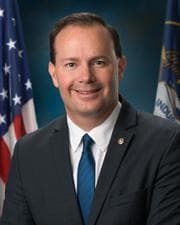
Mike Lee
Republican Senator
Utah
Cosponsors (2)
Homeland Security and Governmental Affairs Committee
- Introduced
- In Committee
- On Floor
- Passed Chamber
- Enacted
Take Care Act This bill removes restrictions on the President's power to remove upper-level executive branch officers. Specifically, the bill (1) eliminates existing for-cause removal protections for principal officers (officers required to be appointed by the President by and with the advice and consent of the Senate), and (2) limits the creation of future removal restrictions by requiring Congress to expressly establish such restrictions by statute. The bill provides that a federal statute that vests discretionary decision-making authority in an executive branch officer other than the President, or that designates an agency to be an independent agency or an independent establishment, shall not be construed as a limitation on the President's power to supervise and direct the exercise of such authority.
View Full TextSuggested Questions
Get AI-generated questions to help you understand this bill better
Timeline
Introduced in Senate
Read twice and referred to the Committee on Homeland Security and Governmental Affairs. (Sponsor introductory remarks on measure: CR S3259-3261)
Government Operations and Politics
Congressional-executive branch relationsFederal officialsPresidents and presidential powers, Vice Presidents
Take Care Act
USA116th CongressS-1753| Senate
| Updated: 6/5/2019
Take Care Act This bill removes restrictions on the President's power to remove upper-level executive branch officers. Specifically, the bill (1) eliminates existing for-cause removal protections for principal officers (officers required to be appointed by the President by and with the advice and consent of the Senate), and (2) limits the creation of future removal restrictions by requiring Congress to expressly establish such restrictions by statute. The bill provides that a federal statute that vests discretionary decision-making authority in an executive branch officer other than the President, or that designates an agency to be an independent agency or an independent establishment, shall not be construed as a limitation on the President's power to supervise and direct the exercise of such authority.
View Full TextSuggested Questions
Get AI-generated questions to help you understand this bill better
Timeline
Introduced in Senate
Read twice and referred to the Committee on Homeland Security and Governmental Affairs. (Sponsor introductory remarks on measure: CR S3259-3261)
Mike Lee
Republican Senator
Utah
Cosponsors (2)
Homeland Security and Governmental Affairs Committee
Government Operations and Politics
- Introduced
- In Committee
- On Floor
- Passed Chamber
- Enacted
Congressional-executive branch relationsFederal officialsPresidents and presidential powers, Vice Presidents