Simplifying Financial Aid for Students Act of 2019
USA116th CongressS-1346| Senate
| Updated: 5/7/2019
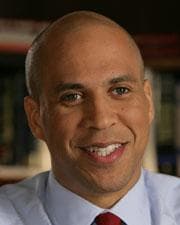
Cory A. Booker
Democratic Senator
New Jersey
Cosponsors (3)
Health, Education, Labor, and Pensions Committee
- Introduced
- In Committee
- On Floor
- Passed Chamber
- Enacted
Simplifying Financial Aid for Students Act of 2019 This bill revises the Free Application for Federal Student Aid (FAFSA) process and modifies federal student aid eligibility for certain students. Among other things, the bill revises FAFSA to remove certain questions such as those regarding a student's criminal history, Selective Service registration, and combat pay information; make it available to complete on a mobile device; consolidate questions regarding a student's homeless status; allow a student to automatically populate such form using data available from the Internal Revenue Service (IRS); provide forms in the most common languages spoken at home in the United States; and allow a student to complete FAFSA as an independent student under special circumstances. The bill also modifies the student eligibility criteria for federal student financial aid to deem a student eligible for a determination of a zero expected family contribution under certain circumstances, such as when a dependent student's parent participated in a means-tested benefits program (e.g., the Supplemental Nutrition Assistance Program or Medicaid); revise the simplified needs-analysis formula; remove drug conviction and Selective Service registration provisions; and make Dreamer students (i.e., students who have been granted Deferred Action for Childhood Arrivals status) eligible for federal financial aid. Additionally, the IRS must disclose certain tax return information to the Department of Education (ED) for the purpose of administering financial aid and loan programs. The bill also authorizes ED to carry out an early federal Pell Grant commitment program.
View Full TextSuggested Questions
Get AI-generated questions to help you understand this bill better
Timeline
Introduced in Senate
Read twice and referred to the Committee on Health, Education, Labor, and Pensions.
Education
Adoption and foster careCensus and government statisticsChild safety and welfareCongressional oversightCriminal justice information and recordsDrug trafficking and controlled substancesEducation programs fundingElementary and secondary educationForeign language and bilingual programsGovernment information and archivesGovernment lending and loan guaranteesHigher educationHomelessness and emergency shelterImmigration status and proceduresLicensing and registrationsSchool administrationSeparation, divorce, custody, supportStudent aid and college costsStudent recordsTax administration and collection, taxpayersTemporary and part-time employmentVeterans' pensions and compensationWages and earnings
Simplifying Financial Aid for Students Act of 2019
USA116th CongressS-1346| Senate
| Updated: 5/7/2019
Simplifying Financial Aid for Students Act of 2019 This bill revises the Free Application for Federal Student Aid (FAFSA) process and modifies federal student aid eligibility for certain students. Among other things, the bill revises FAFSA to remove certain questions such as those regarding a student's criminal history, Selective Service registration, and combat pay information; make it available to complete on a mobile device; consolidate questions regarding a student's homeless status; allow a student to automatically populate such form using data available from the Internal Revenue Service (IRS); provide forms in the most common languages spoken at home in the United States; and allow a student to complete FAFSA as an independent student under special circumstances. The bill also modifies the student eligibility criteria for federal student financial aid to deem a student eligible for a determination of a zero expected family contribution under certain circumstances, such as when a dependent student's parent participated in a means-tested benefits program (e.g., the Supplemental Nutrition Assistance Program or Medicaid); revise the simplified needs-analysis formula; remove drug conviction and Selective Service registration provisions; and make Dreamer students (i.e., students who have been granted Deferred Action for Childhood Arrivals status) eligible for federal financial aid. Additionally, the IRS must disclose certain tax return information to the Department of Education (ED) for the purpose of administering financial aid and loan programs. The bill also authorizes ED to carry out an early federal Pell Grant commitment program.
View Full TextSuggested Questions
Get AI-generated questions to help you understand this bill better
Timeline
Introduced in Senate
Read twice and referred to the Committee on Health, Education, Labor, and Pensions.
Cory A. Booker
Democratic Senator
New Jersey
Cosponsors (3)
Health, Education, Labor, and Pensions Committee
Education
Related Bills
- Introduced
- In Committee
- On Floor
- Passed Chamber
- Enacted
Adoption and foster careCensus and government statisticsChild safety and welfareCongressional oversightCriminal justice information and recordsDrug trafficking and controlled substancesEducation programs fundingElementary and secondary educationForeign language and bilingual programsGovernment information and archivesGovernment lending and loan guaranteesHigher educationHomelessness and emergency shelterImmigration status and proceduresLicensing and registrationsSchool administrationSeparation, divorce, custody, supportStudent aid and college costsStudent recordsTax administration and collection, taxpayersTemporary and part-time employmentVeterans' pensions and compensationWages and earnings