Medicare for All Act of 2019
USA116th CongressS-1129| Senate
| Updated: 4/10/2019
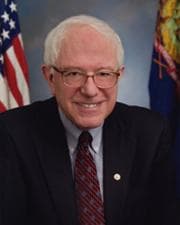
Bernard Sanders
Independent Senator
Vermont
Cosponsors (14)
Mazie K. Hirono (Democratic)Tom Udall (Democratic)Patrick J. Leahy (Democratic)Edward J. Markey (Democratic)Kirsten E. Gillibrand (Democratic)Elizabeth Warren (Democratic)Kamala D. Harris (Democratic)Sheldon Whitehouse (Democratic)Martin Heinrich (Democratic)Brian Schatz (Democratic)Tammy Baldwin (Democratic)Cory A. Booker (Democratic)Jeff Merkley (Democratic)Richard Blumenthal (Democratic)
Finance Committee
- Introduced
- In Committee
- On Floor
- Passed Chamber
- Enacted
Medicare for All Act of 2019 This bill establishes a national health insurance program that is administered by the Department of Health and Human Services (HHS). Among other requirements, the program must (1) cover all U.S. residents; (2) provide for automatic enrollment of individuals upon birth or residency in the United States; and (3) cover items and services that are medically necessary or appropriate to maintain health or to diagnose, treat, or rehabilitate a health condition, including hospital services, prescription drugs, mental health and substance abuse treatment, dental and vision services, and home- and community-based long-term care. The bill prohibits cost-sharing (e.g., deductibles, coinsurance, and copayments) and other charges for covered services, with the exception of prescription drugs. Additionally, private health insurers and employers may only offer coverage that is supplemental to, and not duplicative of, benefits provided under the program. Health insurance exchanges and specified federal health programs terminate upon program implementation. However, the program does not affect coverage provided through the Department of Veterans Affairs or the Indian Health Service. Additionally, state Medicaid programs must cover certain institutional long-term care services. The bill also establishes a series of implementing provisions relating to (1) health care provider participation; (2) HHS administration; and (3) payments and costs, including the requirement that HHS negotiate prices for prescription drugs and establish a formulary. Individuals who are age 18 or younger may enroll in the program starting one year after enactment of this bill; other individuals may buy into a transitional plan or an expanded Medicare program at this time, depending on age. The bill's program must be fully implemented four years after enactment.
View Full TextSuggested Questions
Get AI-generated questions to help you understand this bill better
Timeline
Introduced in Senate
Read twice and referred to the Committee on Finance.
Health
Accounting and auditingAdministrative law and regulatory proceduresAdministrative remediesAlternative treatmentsBudget processChild healthComprehensive health careCongressional oversightDebt collectionDental careDepartment of Health and Human ServicesDisability and health-based discriminationDisability and paralysisDrug, alcohol, tobacco useEmergency medical services and trauma careEmployee benefits and pensionsExecutive agency funding and structureFraud offenses and financial crimesGovernment information and archivesGovernment studies and investigationsGovernment trust fundsHealth care costs and insuranceHealth care coverage and accessHealth care qualityHealth facilities and institutionsHealth information and medical recordsHealth personnelHealth programs administration and fundingHealth promotion and preventive careHealth technology, devices, suppliesHearing, speech, and vision careHome and outpatient careHospital careImmigrant health and welfareImmigration status and proceduresIncome tax creditsInflation and pricesInsurance industry and regulationLong-term, rehabilitative, and terminal careMedicaidMedical educationMedical researchMedical tests and diagnostic methodsMedicareMental healthNursingPoverty and welfare assistancePrescription drugsPublic contracts and procurementSex and reproductive healthState and local government operationsTemporary and part-time employmentWomen's healthWorker safety and health
Medicare for All Act of 2019
USA116th CongressS-1129| Senate
| Updated: 4/10/2019
Medicare for All Act of 2019 This bill establishes a national health insurance program that is administered by the Department of Health and Human Services (HHS). Among other requirements, the program must (1) cover all U.S. residents; (2) provide for automatic enrollment of individuals upon birth or residency in the United States; and (3) cover items and services that are medically necessary or appropriate to maintain health or to diagnose, treat, or rehabilitate a health condition, including hospital services, prescription drugs, mental health and substance abuse treatment, dental and vision services, and home- and community-based long-term care. The bill prohibits cost-sharing (e.g., deductibles, coinsurance, and copayments) and other charges for covered services, with the exception of prescription drugs. Additionally, private health insurers and employers may only offer coverage that is supplemental to, and not duplicative of, benefits provided under the program. Health insurance exchanges and specified federal health programs terminate upon program implementation. However, the program does not affect coverage provided through the Department of Veterans Affairs or the Indian Health Service. Additionally, state Medicaid programs must cover certain institutional long-term care services. The bill also establishes a series of implementing provisions relating to (1) health care provider participation; (2) HHS administration; and (3) payments and costs, including the requirement that HHS negotiate prices for prescription drugs and establish a formulary. Individuals who are age 18 or younger may enroll in the program starting one year after enactment of this bill; other individuals may buy into a transitional plan or an expanded Medicare program at this time, depending on age. The bill's program must be fully implemented four years after enactment.
View Full TextSuggested Questions
Get AI-generated questions to help you understand this bill better
Timeline
Introduced in Senate
Read twice and referred to the Committee on Finance.
Bernard Sanders
Independent Senator
Vermont
Cosponsors (14)
Mazie K. Hirono (Democratic)Tom Udall (Democratic)Patrick J. Leahy (Democratic)Edward J. Markey (Democratic)Kirsten E. Gillibrand (Democratic)Elizabeth Warren (Democratic)Kamala D. Harris (Democratic)Sheldon Whitehouse (Democratic)Martin Heinrich (Democratic)Brian Schatz (Democratic)Tammy Baldwin (Democratic)Cory A. Booker (Democratic)Jeff Merkley (Democratic)Richard Blumenthal (Democratic)
Finance Committee
Health
Related Bills
- Introduced
- In Committee
- On Floor
- Passed Chamber
- Enacted
Accounting and auditingAdministrative law and regulatory proceduresAdministrative remediesAlternative treatmentsBudget processChild healthComprehensive health careCongressional oversightDebt collectionDental careDepartment of Health and Human ServicesDisability and health-based discriminationDisability and paralysisDrug, alcohol, tobacco useEmergency medical services and trauma careEmployee benefits and pensionsExecutive agency funding and structureFraud offenses and financial crimesGovernment information and archivesGovernment studies and investigationsGovernment trust fundsHealth care costs and insuranceHealth care coverage and accessHealth care qualityHealth facilities and institutionsHealth information and medical recordsHealth personnelHealth programs administration and fundingHealth promotion and preventive careHealth technology, devices, suppliesHearing, speech, and vision careHome and outpatient careHospital careImmigrant health and welfareImmigration status and proceduresIncome tax creditsInflation and pricesInsurance industry and regulationLong-term, rehabilitative, and terminal careMedicaidMedical educationMedical researchMedical tests and diagnostic methodsMedicareMental healthNursingPoverty and welfare assistancePrescription drugsPublic contracts and procurementSex and reproductive healthState and local government operationsTemporary and part-time employmentWomen's healthWorker safety and health