Cabin Air Safety Act of 2019
USA116th CongressS-1112| Senate
| Updated: 4/10/2019
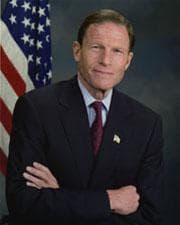
Richard Blumenthal
Democratic Senator
Connecticut
Commerce, Science, and Transportation Committee
- Introduced
- In Committee
- On Floor
- Passed Chamber
- Enacted
Cabin Air Safety Act of 2019 This bill directs the Federal Aviation Administration (FAA) to implement regulations regarding smoke or fume incidents on commercial aircraft (excluding helicopters). Specifically, the bill requires flight attendants, pilots, aircraft maintenance technicians, airport first responders, and emergency response teams to receive annual training on how to respond to incidents involving smoke or fumes on board commercial aircraft; the FAA to develop a standardized form for reporting incidents involving smoke or fumes; the FAA to conduct an investigation after a report is submitted about incidents of smoke or fumes; and commercial air carriers to install and operate onboard carbon monoxide detectors.
View Full TextSuggested Questions
Get AI-generated questions to help you understand this bill better
Timeline
Introduced in Senate
Read twice and referred to the Committee on Commerce, Science, and Transportation.
Transportation and Public Works
Administrative law and regulatory proceduresAir qualityAviation and airportsCensus and government statisticsDepartment of TransportationEmergency medical services and trauma careEnvironmental assessment, monitoring, researchFiresFirst responders and emergency personnelGovernment information and archivesGovernment studies and investigationsHazardous wastes and toxic substancesMotor fuelsTransportation employeesTransportation safety and security
Cabin Air Safety Act of 2019
USA116th CongressS-1112| Senate
| Updated: 4/10/2019
Cabin Air Safety Act of 2019 This bill directs the Federal Aviation Administration (FAA) to implement regulations regarding smoke or fume incidents on commercial aircraft (excluding helicopters). Specifically, the bill requires flight attendants, pilots, aircraft maintenance technicians, airport first responders, and emergency response teams to receive annual training on how to respond to incidents involving smoke or fumes on board commercial aircraft; the FAA to develop a standardized form for reporting incidents involving smoke or fumes; the FAA to conduct an investigation after a report is submitted about incidents of smoke or fumes; and commercial air carriers to install and operate onboard carbon monoxide detectors.
View Full TextSuggested Questions
Get AI-generated questions to help you understand this bill better
Timeline
Introduced in Senate
Read twice and referred to the Committee on Commerce, Science, and Transportation.
Richard Blumenthal
Democratic Senator
Connecticut
Commerce, Science, and Transportation Committee
Transportation and Public Works
Related Bills
- Introduced
- In Committee
- On Floor
- Passed Chamber
- Enacted
Administrative law and regulatory proceduresAir qualityAviation and airportsCensus and government statisticsDepartment of TransportationEmergency medical services and trauma careEnvironmental assessment, monitoring, researchFiresFirst responders and emergency personnelGovernment information and archivesGovernment studies and investigationsHazardous wastes and toxic substancesMotor fuelsTransportation employeesTransportation safety and security