VERDAD Act of 2019
USA116th CongressS-1025| Senate
| Updated: 6/3/2019
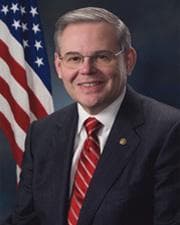
Robert Menendez
Democratic Senator
New Jersey
Cosponsors (18)
Jeanne Shaheen (Democratic)Bill Cassidy (Republican)Richard J. Durbin (Democratic)Kirsten E. Gillibrand (Democratic)Christopher A. Coons (Democratic)Todd Young (Republican)Thomas R. Carper (Democratic)Lindsey Graham (Republican)Tim Kaine (Democratic)Ted Cruz (Republican)John Kennedy (Republican)John Barrasso (Republican)Michael F. Bennet (Democratic)Josh Hawley (Republican)John Cornyn (Republican)Benjamin L. Cardin (Democratic)Marco Rubio (Republican)Cory Gardner (Republican)
Foreign Relations Committee
- Introduced
- In Committee
- On Floor
- Passed Chamber
- Enacted
Venezuela Emergency Relief, Democracy Assistance, and Development Act of 2019 or the VERDAD Act of 2019 This bill directs the President to take various actions to address the political situation in Venezuela. (The United States does not recognize Nicolas Maduro as Venezuela's President due to reports of widespread fraud during his election, recognizing instead National Assembly President Juan Guaido.) The Department of State shall provide humanitarian aid to Venezuela and to Venezuelans in neighboring countries. The bill imposes sanctions on foreign persons responsible for or complicit in corruption or activity undermining Venezuela's democratic institutions. Sanctions include barring entry into the United States and various financial restrictions. The bill also (1) authorizes or imposes various sanctions targeting the Maduro regime's ability to finance debt, trade gold, and use cryptocurrencies; and (2) imposes visa-blocking sanctions on aliens acting on behalf of Russia to support Maduro regime security forces. The bill directs the State Department to work with nongovernmental organizations to strengthen democratic governance and defend human rights in Venezuela, work with foreign governments to investigate corruption and recover assets stolen from Venezuela, and offer to help other countries establish legislative frameworks to impose sanctions on Maduro regime officials. The President shall engage with multilateral development banks to assist in rebuilding Venezuela's economy and energy infrastructure. The bill directs the President to prevent Russia's government-controlled oil company Rosneft from acquiring control of critical U.S. energy infrastructure, including assets belonging to Venezuela's state-owned oil company, Petroleos de Venezuela, S.A.
Suggested Questions
Get AI-generated questions to help you understand this bill better
Timeline
Introduced in Senate
Read twice and referred to the Committee on Foreign Relations.
Committee on Foreign Relations. Ordered to be reported with an amendment in the nature of a substitute favorably.
Committee on Foreign Relations. Reported by Senator Risch with an amendment in the nature of a substitute. Without written report.
Placed on Senate Legislative Calendar under General Orders. Calendar No. 101.
International Affairs
AsiaBudget deficits and national debtCanadaCaribbean areaChild healthChinaCongressional oversightCorporate finance and managementCriminal investigation, prosecution, interrogationCubaCurrencyDetention of personsDigital mediaDiplomacy, foreign officials, Americans abroadDrug trafficking and controlled substancesElections, voting, political campaign regulationEnergy storage, supplies, demandEuropeEuropean UnionFood assistance and reliefForeign aid and international reliefForeign and international corporationsForeign loans and debtForeign propertyFraud offenses and financial crimesGovernment ethics and transparency, public corruptionHealth technology, devices, suppliesHuman rightsInfectious and parasitic diseasesInflation and pricesIntelligence activities, surveillance, classified informationInternational organizations and cooperationInternet and video servicesInternet, web applications, social mediaIranJudicial procedure and administrationLatin AmericaMetalsMiddle EastMilitary assistance, sales, and agreementsMultilateral development programsNews media and reportingOil and gasPoverty and welfare assistanceProtest and dissentRule of law and government transparencyRussiaSanctionsSecuritiesSovereignty, recognition, national governance and statusTrade restrictionsUnited NationsU.S. and foreign investmentsVenezuelaVisas and passportsWar crimes, genocide, crimes against humanityWomen's health
VERDAD Act of 2019
USA116th CongressS-1025| Senate
| Updated: 6/3/2019
Venezuela Emergency Relief, Democracy Assistance, and Development Act of 2019 or the VERDAD Act of 2019 This bill directs the President to take various actions to address the political situation in Venezuela. (The United States does not recognize Nicolas Maduro as Venezuela's President due to reports of widespread fraud during his election, recognizing instead National Assembly President Juan Guaido.) The Department of State shall provide humanitarian aid to Venezuela and to Venezuelans in neighboring countries. The bill imposes sanctions on foreign persons responsible for or complicit in corruption or activity undermining Venezuela's democratic institutions. Sanctions include barring entry into the United States and various financial restrictions. The bill also (1) authorizes or imposes various sanctions targeting the Maduro regime's ability to finance debt, trade gold, and use cryptocurrencies; and (2) imposes visa-blocking sanctions on aliens acting on behalf of Russia to support Maduro regime security forces. The bill directs the State Department to work with nongovernmental organizations to strengthen democratic governance and defend human rights in Venezuela, work with foreign governments to investigate corruption and recover assets stolen from Venezuela, and offer to help other countries establish legislative frameworks to impose sanctions on Maduro regime officials. The President shall engage with multilateral development banks to assist in rebuilding Venezuela's economy and energy infrastructure. The bill directs the President to prevent Russia's government-controlled oil company Rosneft from acquiring control of critical U.S. energy infrastructure, including assets belonging to Venezuela's state-owned oil company, Petroleos de Venezuela, S.A.
Suggested Questions
Get AI-generated questions to help you understand this bill better
Timeline
Introduced in Senate
Read twice and referred to the Committee on Foreign Relations.
Committee on Foreign Relations. Ordered to be reported with an amendment in the nature of a substitute favorably.
Committee on Foreign Relations. Reported by Senator Risch with an amendment in the nature of a substitute. Without written report.
Placed on Senate Legislative Calendar under General Orders. Calendar No. 101.
Robert Menendez
Democratic Senator
New Jersey
Cosponsors (18)
Jeanne Shaheen (Democratic)Bill Cassidy (Republican)Richard J. Durbin (Democratic)Kirsten E. Gillibrand (Democratic)Christopher A. Coons (Democratic)Todd Young (Republican)Thomas R. Carper (Democratic)Lindsey Graham (Republican)Tim Kaine (Democratic)Ted Cruz (Republican)John Kennedy (Republican)John Barrasso (Republican)Michael F. Bennet (Democratic)Josh Hawley (Republican)John Cornyn (Republican)Benjamin L. Cardin (Democratic)Marco Rubio (Republican)Cory Gardner (Republican)
Foreign Relations Committee
International Affairs
- Introduced
- In Committee
- On Floor
- Passed Chamber
- Enacted
AsiaBudget deficits and national debtCanadaCaribbean areaChild healthChinaCongressional oversightCorporate finance and managementCriminal investigation, prosecution, interrogationCubaCurrencyDetention of personsDigital mediaDiplomacy, foreign officials, Americans abroadDrug trafficking and controlled substancesElections, voting, political campaign regulationEnergy storage, supplies, demandEuropeEuropean UnionFood assistance and reliefForeign aid and international reliefForeign and international corporationsForeign loans and debtForeign propertyFraud offenses and financial crimesGovernment ethics and transparency, public corruptionHealth technology, devices, suppliesHuman rightsInfectious and parasitic diseasesInflation and pricesIntelligence activities, surveillance, classified informationInternational organizations and cooperationInternet and video servicesInternet, web applications, social mediaIranJudicial procedure and administrationLatin AmericaMetalsMiddle EastMilitary assistance, sales, and agreementsMultilateral development programsNews media and reportingOil and gasPoverty and welfare assistanceProtest and dissentRule of law and government transparencyRussiaSanctionsSecuritiesSovereignty, recognition, national governance and statusTrade restrictionsUnited NationsU.S. and foreign investmentsVenezuelaVisas and passportsWar crimes, genocide, crimes against humanityWomen's health