Kenneth P. Thompson Civic Justice Corps Act of 2020
USA116th CongressHR-8577| House
| Updated: 10/9/2020
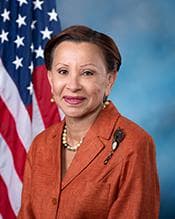
Nydia M. Velázquez
Democratic Representative
New York
Cosponsors (2)
Education and Workforce Committee
- Introduced
- In Committee
- On Floor
- Passed Chamber
- Enacted
Kenneth P. Thompson Civic Justice Corps Act of 2020 This bill requires the Department of Justice to award grants to one or more national intermediaries (i.e., nonprofit organizations with experience in programs that deliver education and work experience to certain disadvantaged youth) to develop, implement, and collect data from Civic Justice Corps programs administered by at least ten local subgrantees in specified geographic regions. Such programs shall intentionally recruit and primarily enroll as participants court-involved, previously incarcerated, and otherwise disadvantaged youth and young adults between the ages of 16 and 25, and provide such participants with educational programming and support designed to lead to a high school diploma or its recognized equivalent.
View Full TextSuggested Questions
Get AI-generated questions to help you understand this bill better
Timeline
Introduced in House
Referred to the House Committee on Education and Labor.
Labor and Employment
Administrative law and regulatory proceduresCriminal justice information and recordsDepartment of JusticeElementary and secondary educationEmployment and training programsForeign language and bilingual programsHigher educationJuvenile crime and gang violenceLaw enforcement administration and fundingStudent aid and college costs
Kenneth P. Thompson Civic Justice Corps Act of 2020
USA116th CongressHR-8577| House
| Updated: 10/9/2020
Kenneth P. Thompson Civic Justice Corps Act of 2020 This bill requires the Department of Justice to award grants to one or more national intermediaries (i.e., nonprofit organizations with experience in programs that deliver education and work experience to certain disadvantaged youth) to develop, implement, and collect data from Civic Justice Corps programs administered by at least ten local subgrantees in specified geographic regions. Such programs shall intentionally recruit and primarily enroll as participants court-involved, previously incarcerated, and otherwise disadvantaged youth and young adults between the ages of 16 and 25, and provide such participants with educational programming and support designed to lead to a high school diploma or its recognized equivalent.
View Full TextSuggested Questions
Get AI-generated questions to help you understand this bill better
Timeline
Introduced in House
Referred to the House Committee on Education and Labor.
Nydia M. Velázquez
Democratic Representative
New York
Cosponsors (2)
Education and Workforce Committee
Labor and Employment
- Introduced
- In Committee
- On Floor
- Passed Chamber
- Enacted
Administrative law and regulatory proceduresCriminal justice information and recordsDepartment of JusticeElementary and secondary educationEmployment and training programsForeign language and bilingual programsHigher educationJuvenile crime and gang violenceLaw enforcement administration and fundingStudent aid and college costs