STRONG Support for Children Act of 2020
USA116th CongressHR-8544| House
| Updated: 10/6/2020
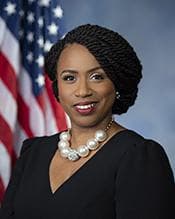
Ayanna Pressley
Democratic Representative
Massachusetts
Cosponsors (14)
Stacey E. Plaskett (Democratic)Marc A. Veasey (Democratic)Darren Soto (Democratic)Carolyn B. Maloney (Democratic)John P. Sarbanes (Democratic)Ro Khanna (Democratic)Jim Cooper (Democratic)Eleanor Holmes Norton (Democratic)Jamie Raskin (Democratic)Alexandria Ocasio-Cortez (Democratic)Lori Trahan (Democratic)Rashida Tlaib (Democratic)Gerald E. Connolly (Democratic)Katie Porter (Democratic)
Energy and Commerce Committee
- Introduced
- In Committee
- On Floor
- Passed Chamber
- Enacted
Services and Trauma-informed Research of Outcomes in Neighborhoods Grants for Support for Children Act of 2020 or the STRONG Support for Children Act of 2020 This bill establishes two grant programs for governmental health departments to prevent and mitigate childhood trauma and adverse childhood experiences. For the first program, the Department of Health and Human Services (HHS) must award grants to health departments to use data analysis methods to identify interventions to prevent and mitigate childhood trauma. Grant activities include, among others, using data analysis to identify geographic areas with a high prevalence of adverse childhood experiences and to implement strategies to improve outcomes for infants, children, and adolescents. For the second program, HHS must award grants to local or tribal governments to establish or expand early childhood trauma-informed care coordination services, including by instituting risk and needs assessments to respond to adverse childhood experiences. For both grants, the bill prohibits the use of funds for certain purposes, such as using the data analysis methods to inform individual case decisions, including child removals, or increasing the presence of law enforcement. In addition, HHS must evaluate and report on these programs and make findings and recommendations publicly available on its website.
View Full TextSuggested Questions
Get AI-generated questions to help you understand this bill better
Timeline
Introduced in House
Referred to the House Committee on Energy and Commerce.
Health
Adoption and foster careChild healthChild safety and welfareCommunity life and organizationCrimes against childrenDomestic violence and child abuseDrug, alcohol, tobacco useEmergency medical services and trauma careFood assistance and reliefHealth information and medical recordsHealth programs administration and fundingHealth promotion and preventive careHomelessness and emergency shelterMedicaidMental healthPoverty and welfare assistanceRacial and ethnic relationsSex, gender, sexual orientation discriminationSex offensesViolent crime
STRONG Support for Children Act of 2020
USA116th CongressHR-8544| House
| Updated: 10/6/2020
Services and Trauma-informed Research of Outcomes in Neighborhoods Grants for Support for Children Act of 2020 or the STRONG Support for Children Act of 2020 This bill establishes two grant programs for governmental health departments to prevent and mitigate childhood trauma and adverse childhood experiences. For the first program, the Department of Health and Human Services (HHS) must award grants to health departments to use data analysis methods to identify interventions to prevent and mitigate childhood trauma. Grant activities include, among others, using data analysis to identify geographic areas with a high prevalence of adverse childhood experiences and to implement strategies to improve outcomes for infants, children, and adolescents. For the second program, HHS must award grants to local or tribal governments to establish or expand early childhood trauma-informed care coordination services, including by instituting risk and needs assessments to respond to adverse childhood experiences. For both grants, the bill prohibits the use of funds for certain purposes, such as using the data analysis methods to inform individual case decisions, including child removals, or increasing the presence of law enforcement. In addition, HHS must evaluate and report on these programs and make findings and recommendations publicly available on its website.
View Full TextSuggested Questions
Get AI-generated questions to help you understand this bill better
Timeline
Introduced in House
Referred to the House Committee on Energy and Commerce.
Ayanna Pressley
Democratic Representative
Massachusetts
Cosponsors (14)
Stacey E. Plaskett (Democratic)Marc A. Veasey (Democratic)Darren Soto (Democratic)Carolyn B. Maloney (Democratic)John P. Sarbanes (Democratic)Ro Khanna (Democratic)Jim Cooper (Democratic)Eleanor Holmes Norton (Democratic)Jamie Raskin (Democratic)Alexandria Ocasio-Cortez (Democratic)Lori Trahan (Democratic)Rashida Tlaib (Democratic)Gerald E. Connolly (Democratic)Katie Porter (Democratic)
Energy and Commerce Committee
Health
- Introduced
- In Committee
- On Floor
- Passed Chamber
- Enacted
Adoption and foster careChild healthChild safety and welfareCommunity life and organizationCrimes against childrenDomestic violence and child abuseDrug, alcohol, tobacco useEmergency medical services and trauma careFood assistance and reliefHealth information and medical recordsHealth programs administration and fundingHealth promotion and preventive careHomelessness and emergency shelterMedicaidMental healthPoverty and welfare assistanceRacial and ethnic relationsSex, gender, sexual orientation discriminationSex offensesViolent crime