Energy Poverty Prevention and Accountability Act
USA116th CongressHR-8487| House
| Updated: 10/1/2020
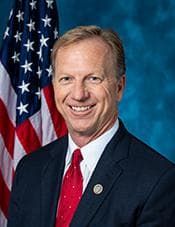
Kevin Hern
Republican Representative
Oklahoma
Cosponsors (23)
Paul A. Gosar (Republican)Tom Cole (Republican)Roger Marshall (Republican)Markwayne Mullin (Republican)Guy Reschenthaler (Republican)Rick W. Allen (Republican)Jeff Duncan (Republican)Rob Bishop (Republican)Dan Newhouse (Republican)Steve Scalise (Republican)Jody B. Hice (Republican)Bill Flores (Republican)Liz Cheney (Republican)Ann Wagner (Republican)W. Gregory Steube (Republican)Pete Stauber (Republican)Randy K. Sr. Weber (Republican)Greg Pence (Republican)K. Michael Conaway (Republican)David P. Roe (Republican)Troy Balderson (Republican)Brian Babin (Republican)Fred Keller (Republican)
Agriculture Committee, Rules Committee, Energy and Commerce Committee, Budget Committee, Natural Resources Committee
- Introduced
- In Committee
- On Floor
- Passed Chamber
- Enacted
Energy Poverty Prevention and Accountability Act This bill addresses energy poverty (i.e., insufficient access to affordable energy) in at-risk communities. An at-risk community is a community that is low-income, minority, rural, elderly, or Native American. The Department of the Interior must submit to Congress a report that (1) identifies barriers to the ability of at-risk communities that live on or near federal land or tribal land to access reliable and affordable energy, including how the presence of adequate energy transmission infrastructure affects such access; and (2) recommends actions that it and the Forest Service may take to reduce such barriers. The Congressional Budget Office must report how a bill or resolution will affect the cost of energy for at-risk communities. The Government Accountability Office must (1) analyze federal energy and environmental laws and regulations, and state renewable portfolio standards, to determine how such laws, regulations, and standards affect electricity prices, home heating prices, gasoline prices, motor vehicle prices, natural gas prices, and household appliance prices in at-risk communities; and (2) develop criteria to determine whether an at-risk community is experiencing energy poverty. The Office of Management and Budget must review each applicable energy regulation to determine if any regulation imposes, relative to the general population, disproportionate costs on at-risk communities.
View Full TextSuggested Questions
Get AI-generated questions to help you understand this bill better
Timeline
Introduced in House
Referred to the Committee on Natural Resources, and in addition to the Committees on Agriculture, Energy and Commerce, the Budget, and Rules, for a period to be subsequently determined by the Speaker, in each case for consideration of such provisions as fall within the jurisdiction of the committee concerned.
Energy
BirdsClimate change and greenhouse gasesCongressional Budget Office (CBO)Congressional oversightDepartment of the InteriorEcologyEnergy assistance for the poor and agedEnergy pricesEnvironmental regulatory proceduresGovernment information and archivesGovernment studies and investigationsIndian lands and resources rightsInflation and pricesLighting, heating, coolingMotor fuelsMotor vehiclesOil and gasPublic utilities and utility rates
Energy Poverty Prevention and Accountability Act
USA116th CongressHR-8487| House
| Updated: 10/1/2020
Energy Poverty Prevention and Accountability Act This bill addresses energy poverty (i.e., insufficient access to affordable energy) in at-risk communities. An at-risk community is a community that is low-income, minority, rural, elderly, or Native American. The Department of the Interior must submit to Congress a report that (1) identifies barriers to the ability of at-risk communities that live on or near federal land or tribal land to access reliable and affordable energy, including how the presence of adequate energy transmission infrastructure affects such access; and (2) recommends actions that it and the Forest Service may take to reduce such barriers. The Congressional Budget Office must report how a bill or resolution will affect the cost of energy for at-risk communities. The Government Accountability Office must (1) analyze federal energy and environmental laws and regulations, and state renewable portfolio standards, to determine how such laws, regulations, and standards affect electricity prices, home heating prices, gasoline prices, motor vehicle prices, natural gas prices, and household appliance prices in at-risk communities; and (2) develop criteria to determine whether an at-risk community is experiencing energy poverty. The Office of Management and Budget must review each applicable energy regulation to determine if any regulation imposes, relative to the general population, disproportionate costs on at-risk communities.
View Full TextSuggested Questions
Get AI-generated questions to help you understand this bill better
Timeline
Introduced in House
Referred to the Committee on Natural Resources, and in addition to the Committees on Agriculture, Energy and Commerce, the Budget, and Rules, for a period to be subsequently determined by the Speaker, in each case for consideration of such provisions as fall within the jurisdiction of the committee concerned.
Kevin Hern
Republican Representative
Oklahoma
Cosponsors (23)
Paul A. Gosar (Republican)Tom Cole (Republican)Roger Marshall (Republican)Markwayne Mullin (Republican)Guy Reschenthaler (Republican)Rick W. Allen (Republican)Jeff Duncan (Republican)Rob Bishop (Republican)Dan Newhouse (Republican)Steve Scalise (Republican)Jody B. Hice (Republican)Bill Flores (Republican)Liz Cheney (Republican)Ann Wagner (Republican)W. Gregory Steube (Republican)Pete Stauber (Republican)Randy K. Sr. Weber (Republican)Greg Pence (Republican)K. Michael Conaway (Republican)David P. Roe (Republican)Troy Balderson (Republican)Brian Babin (Republican)Fred Keller (Republican)
Agriculture Committee, Rules Committee, Energy and Commerce Committee, Budget Committee, Natural Resources Committee
Energy
- Introduced
- In Committee
- On Floor
- Passed Chamber
- Enacted
BirdsClimate change and greenhouse gasesCongressional Budget Office (CBO)Congressional oversightDepartment of the InteriorEcologyEnergy assistance for the poor and agedEnergy pricesEnvironmental regulatory proceduresGovernment information and archivesGovernment studies and investigationsIndian lands and resources rightsInflation and pricesLighting, heating, coolingMotor fuelsMotor vehiclesOil and gasPublic utilities and utility rates