Spent Nuclear Fuel Solutions Research and Development Act
USA116th CongressHR-8258| House
| Updated: 9/15/2020
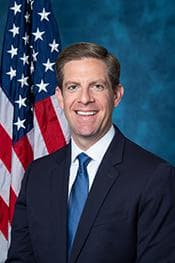
Mike Levin
Democratic Representative
California
Science, Space, and Technology Committee
- Introduced
- In Committee
- On Floor
- Passed Chamber
- Enacted
Spent Nuclear Fuel Solutions Research and Development Act This bill requires the Department of Energy (DOE) to conduct an advanced fuel cycle research, development, demonstration, and commercial application program for spent nuclear fuel. The program must improve fuel cycle performance and support a variety of options for used nuclear fuel storage, use, and disposal, including advanced nuclear reactor concepts. In carrying out the program, DOE must ensure all activities and designs incorporate state of the art safeguards technologies and techniques to reduce risk of proliferation. In addition, DOE must consider the potential benefits and other impacts of those activities for civilian nuclear applications, environmental health and safety, and national security. DOE must also consider the economic viability of all activities and designs.
View Full TextSuggested Questions
Get AI-generated questions to help you understand this bill better
Timeline
Introduced in House
Referred to the House Committee on Science, Space, and Technology.
Energy
Electric power generation and transmissionEnergy efficiency and conservationEnergy researchEnvironmental healthHazardous wastes and toxic substancesMetalsMiningNuclear powerRadioactive wastes and releasesResearch and developmentSolid waste and recyclingTechnology assessmentTechnology transfer and commercialization
Spent Nuclear Fuel Solutions Research and Development Act
USA116th CongressHR-8258| House
| Updated: 9/15/2020
Spent Nuclear Fuel Solutions Research and Development Act This bill requires the Department of Energy (DOE) to conduct an advanced fuel cycle research, development, demonstration, and commercial application program for spent nuclear fuel. The program must improve fuel cycle performance and support a variety of options for used nuclear fuel storage, use, and disposal, including advanced nuclear reactor concepts. In carrying out the program, DOE must ensure all activities and designs incorporate state of the art safeguards technologies and techniques to reduce risk of proliferation. In addition, DOE must consider the potential benefits and other impacts of those activities for civilian nuclear applications, environmental health and safety, and national security. DOE must also consider the economic viability of all activities and designs.
View Full TextSuggested Questions
Get AI-generated questions to help you understand this bill better
Timeline
Introduced in House
Referred to the House Committee on Science, Space, and Technology.
Mike Levin
Democratic Representative
California
Science, Space, and Technology Committee
Energy
- Introduced
- In Committee
- On Floor
- Passed Chamber
- Enacted
Electric power generation and transmissionEnergy efficiency and conservationEnergy researchEnvironmental healthHazardous wastes and toxic substancesMetalsMiningNuclear powerRadioactive wastes and releasesResearch and developmentSolid waste and recyclingTechnology assessmentTechnology transfer and commercialization