End Taxpayer Funding of Gender Experimentation Act of 2020
USA116th CongressHR-8013| House
| Updated: 8/11/2020
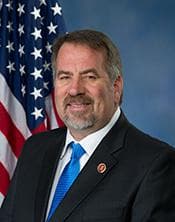
Doug LaMalfa
Republican Representative
California
Cosponsors (12)
Roger Marshall (Republican)Rick W. Allen (Republican)Jody B. Hice (Republican)Bill Flores (Republican)Doug Lamborn (Republican)Steve King (Republican)Glenn Grothman (Republican)W. Gregory Steube (Republican)Debbie Lesko (Republican)Ralph Norman (Republican)Robert B. Aderholt (Republican)Brian Babin (Republican)
Ways and Means Committee, Judiciary Committee, Energy and Commerce Committee
- Introduced
- In Committee
- On Floor
- Passed Chamber
- Enacted
End Taxpayer Funding of Gender Experimentation Act of 2020 This bill modifies provisions relating to federal funding for, and health insurance coverage of, gender reassignment medical interventions, which include surgical remedies and hormone therapy arising from a conflict between an individual's gender identity and the sex the individual has or was identified as having at birth. Specifically, the bill prohibits the use of federal funds for gender reassignment medical interventions or for health coverage that includes such interventions. Additionally, such interventions may not be provided in a federal health care facility or by a federal employee. Under current law, coverage of these interventions through Medicare and Medicaid is generally determined at the state level. The bill's restrictions regarding the use of federal funds do not apply to treatment of individuals with medically verifiable disorders of sex development, such as individuals born with atypical development of chromosomal, gonadal, or anatomical sex. The bill also prohibits qualified health plans from including coverage for gender reassignment medical interventions. Further, plans that include coverage for such interventions are not eligible for federal subsidies.
View Full TextSuggested Questions
Get AI-generated questions to help you understand this bill better
Timeline
Introduced in House
Referred to the Committee on Energy and Commerce, and in addition to the Committees on the Judiciary, and Ways and Means, for a period to be subsequently determined by the Speaker, in each case for consideration of such provisions as fall within the jurisdiction of the committee concerned.
Health
AppropriationsComprehensive health careDrug therapyEmployee benefits and pensionsGovernment buildings, facilities, and propertyGovernment employee pay, benefits, personnel managementHealth care costs and insuranceHealth care coverage and accessHealth facilities and institutionsHealth personnelHealth programs administration and fundingIncome tax creditsSex and reproductive healthSmall businessSurgery and anesthesia
End Taxpayer Funding of Gender Experimentation Act of 2020
USA116th CongressHR-8013| House
| Updated: 8/11/2020
End Taxpayer Funding of Gender Experimentation Act of 2020 This bill modifies provisions relating to federal funding for, and health insurance coverage of, gender reassignment medical interventions, which include surgical remedies and hormone therapy arising from a conflict between an individual's gender identity and the sex the individual has or was identified as having at birth. Specifically, the bill prohibits the use of federal funds for gender reassignment medical interventions or for health coverage that includes such interventions. Additionally, such interventions may not be provided in a federal health care facility or by a federal employee. Under current law, coverage of these interventions through Medicare and Medicaid is generally determined at the state level. The bill's restrictions regarding the use of federal funds do not apply to treatment of individuals with medically verifiable disorders of sex development, such as individuals born with atypical development of chromosomal, gonadal, or anatomical sex. The bill also prohibits qualified health plans from including coverage for gender reassignment medical interventions. Further, plans that include coverage for such interventions are not eligible for federal subsidies.
View Full TextSuggested Questions
Get AI-generated questions to help you understand this bill better
Timeline
Introduced in House
Referred to the Committee on Energy and Commerce, and in addition to the Committees on the Judiciary, and Ways and Means, for a period to be subsequently determined by the Speaker, in each case for consideration of such provisions as fall within the jurisdiction of the committee concerned.
Doug LaMalfa
Republican Representative
California
Cosponsors (12)
Roger Marshall (Republican)Rick W. Allen (Republican)Jody B. Hice (Republican)Bill Flores (Republican)Doug Lamborn (Republican)Steve King (Republican)Glenn Grothman (Republican)W. Gregory Steube (Republican)Debbie Lesko (Republican)Ralph Norman (Republican)Robert B. Aderholt (Republican)Brian Babin (Republican)
Ways and Means Committee, Judiciary Committee, Energy and Commerce Committee
Health
- Introduced
- In Committee
- On Floor
- Passed Chamber
- Enacted
AppropriationsComprehensive health careDrug therapyEmployee benefits and pensionsGovernment buildings, facilities, and propertyGovernment employee pay, benefits, personnel managementHealth care costs and insuranceHealth care coverage and accessHealth facilities and institutionsHealth personnelHealth programs administration and fundingIncome tax creditsSex and reproductive healthSmall businessSurgery and anesthesia