Agricultural Fairs Rescue Act
USA116th CongressHR-7883| House
| Updated: 7/30/2020
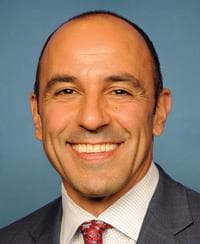
Jimmy Panetta
Democratic Representative
California
Cosponsors (55)
Doug LaMalfa (Republican)Bob Gibbs (Republican)Marcy Kaptur (Democratic)Tom O'Halleran (Democratic)Tom Cole (Republican)Elise M. Stefanik (Republican)Roger Marshall (Republican)Jim Hagedorn (Republican)Don Young (Republican)James R. Langevin (Democratic)Lisa Blunt Rochester (Democratic)David J. Trone (Democratic)Darren Soto (Democratic)Derek Kilmer (Democratic)Joe Courtney (Democratic)Doug Collins (Republican)Angie Craig (Democratic)Tim Walberg (Republican)Billy Long (Republican)Peter A. DeFazio (Democratic)Vicente Gonzalez (Democratic)Dan Newhouse (Republican)Rodney Davis (Republican)Richard Hudson (Republican)Filemon Vela (Democratic)Anthony Brindisi (Democratic)Richard E. Neal (Democratic)Henry Cuellar (Democratic)Antonio Delgado (Democratic)Abby Finkenauer (Democratic)Salud O. Carbajal (Democratic)Jamie Raskin (Democratic)Jim Costa (Democratic)Cynthia Axne (Democratic)Debbie Mucarsel-Powell (Democratic)James P. McGovern (Democratic)Ron Kind (Democratic)Jeff Fortenberry (Republican)Bradley Byrne (Republican)John W. Rose (Republican)Rick Larsen (Democratic)Peter Welch (Democratic)TJ Cox (Democratic)Mike Thompson (Democratic)Suzanne Bonamici (Democratic)Randy K. Sr. Weber (Republican)Josh Gottheimer (Democratic)Donna E. Shalala (Democratic)Cathy McMorris Rodgers (Republican)Alcee L. Hastings (Democratic)Louie Gohmert (Republican)Jaime Herrera Beutler (Republican)Troy Balderson (Republican)Bryan Steil (Republican)Mike Levin (Democratic)
Agriculture Committee
- Introduced
- In Committee
- On Floor
- Passed Chamber
- Enacted
Agricultural Fairs Rescue Act This bill directs the Agricultural Marketing Service of the Department of Agriculture to establish a program to award grants to states or state departments of agriculture to provide support to agricultural fairs for losses sustained by such fairs due to COVID-19 (i.e., coronavirus disease 2019). Grant amounts shall be based on the difference between the average attendance at agricultural fairs in the state for a month occurring in 2019 compared to the corresponding month in 2020. As a condition of receiving a grant, recipients shall agree to (1) prioritize supporting agricultural fairs in the state facing the greatest financial hardship, and (2) use not more than 1% of grant funds for administrative costs incurred in providing support to agricultural fairs.
View Full TextSuggested Questions
Get AI-generated questions to help you understand this bill better
Timeline
Introduced in House
Referred to the House Committee on Agriculture.
Agriculture and Food
Agricultural conservation and pollutionAgricultural educationAgricultural marketing and promotionAgricultural prices, subsidies, creditAgricultural researchCardiovascular and respiratory healthEmergency medical services and trauma careHorticulture and plantsInfectious and parasitic diseasesState and local government operations
Agricultural Fairs Rescue Act
USA116th CongressHR-7883| House
| Updated: 7/30/2020
Agricultural Fairs Rescue Act This bill directs the Agricultural Marketing Service of the Department of Agriculture to establish a program to award grants to states or state departments of agriculture to provide support to agricultural fairs for losses sustained by such fairs due to COVID-19 (i.e., coronavirus disease 2019). Grant amounts shall be based on the difference between the average attendance at agricultural fairs in the state for a month occurring in 2019 compared to the corresponding month in 2020. As a condition of receiving a grant, recipients shall agree to (1) prioritize supporting agricultural fairs in the state facing the greatest financial hardship, and (2) use not more than 1% of grant funds for administrative costs incurred in providing support to agricultural fairs.
View Full TextSuggested Questions
Get AI-generated questions to help you understand this bill better
Timeline
Introduced in House
Referred to the House Committee on Agriculture.
Jimmy Panetta
Democratic Representative
California
Cosponsors (55)
Doug LaMalfa (Republican)Bob Gibbs (Republican)Marcy Kaptur (Democratic)Tom O'Halleran (Democratic)Tom Cole (Republican)Elise M. Stefanik (Republican)Roger Marshall (Republican)Jim Hagedorn (Republican)Don Young (Republican)James R. Langevin (Democratic)Lisa Blunt Rochester (Democratic)David J. Trone (Democratic)Darren Soto (Democratic)Derek Kilmer (Democratic)Joe Courtney (Democratic)Doug Collins (Republican)Angie Craig (Democratic)Tim Walberg (Republican)Billy Long (Republican)Peter A. DeFazio (Democratic)Vicente Gonzalez (Democratic)Dan Newhouse (Republican)Rodney Davis (Republican)Richard Hudson (Republican)Filemon Vela (Democratic)Anthony Brindisi (Democratic)Richard E. Neal (Democratic)Henry Cuellar (Democratic)Antonio Delgado (Democratic)Abby Finkenauer (Democratic)Salud O. Carbajal (Democratic)Jamie Raskin (Democratic)Jim Costa (Democratic)Cynthia Axne (Democratic)Debbie Mucarsel-Powell (Democratic)James P. McGovern (Democratic)Ron Kind (Democratic)Jeff Fortenberry (Republican)Bradley Byrne (Republican)John W. Rose (Republican)Rick Larsen (Democratic)Peter Welch (Democratic)TJ Cox (Democratic)Mike Thompson (Democratic)Suzanne Bonamici (Democratic)Randy K. Sr. Weber (Republican)Josh Gottheimer (Democratic)Donna E. Shalala (Democratic)Cathy McMorris Rodgers (Republican)Alcee L. Hastings (Democratic)Louie Gohmert (Republican)Jaime Herrera Beutler (Republican)Troy Balderson (Republican)Bryan Steil (Republican)Mike Levin (Democratic)
Agriculture Committee
Agriculture and Food
- Introduced
- In Committee
- On Floor
- Passed Chamber
- Enacted
Agricultural conservation and pollutionAgricultural educationAgricultural marketing and promotionAgricultural prices, subsidies, creditAgricultural researchCardiovascular and respiratory healthEmergency medical services and trauma careHorticulture and plantsInfectious and parasitic diseasesState and local government operations