Minority Community Public Health Emergency Response Act of 2020
USA116th CongressHR-7546| House
| Updated: 7/9/2020
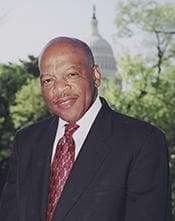
John Lewis
Democratic Representative
Georgia
Ways and Means Committee, Health Subcommittee, Energy and Commerce Committee
- Introduced
- In Committee
- On Floor
- Passed Chamber
- Enacted
Minority Community Public Health Emergency Response Act of 2020 This bill establishes a grant program for COVID-19 (i.e., coronavirus disease 2019) preparedness and response in medically underserved communities where the disease disproportionally affects racial and ethnic minority groups. It also modifies the scope and administration of demonstration models carried out by the Center for Medicare and Medicaid Innovation (CMMI) to address health inequity. With respect to the grant program, the Department of Health and Human Services (HHS) must award grants to government entities, giving priority to local governments and county health departments, for contact tracing, other public health activities, and the provision of nutrition assistance and quarantine housing. HHS may also support planning activities for entities that intend to apply for these grants. As a condition for receiving funding, grantees must establish, or designate an existing body as, a COVID-19/infectious disease planning council. The council must reflect the demographics of the populations most impacted by COVID-19, and its responsibilities shall include developing a plan for the delivery of health care and support services to address COVID-19 and establishing priorities for allocating funding. In addition, the CMMI must test a payment model that addresses social determinants of health and health disparities, particularly with respect to minorities, underserved areas, and high-risk individuals. The bill also generally incorporates consideration of such factors into the selection, implementation, and evaluation of other models, including the decision as to whether to expand a model's duration and scope.
View Full TextSuggested Questions
Get AI-generated questions to help you understand this bill better
Timeline
Introduced in House
Referred to the Subcommittee on Health.
Referred to the Committee on Energy and Commerce, and in addition to the Committee on Ways and Means, for a period to be subsequently determined by the Speaker, in each case for consideration of such provisions as fall within the jurisdiction of the committee concerned.
Health
Administrative remediesCardiovascular and respiratory healthChild healthCommunity life and organizationDrug therapyEmergency medical services and trauma careFood assistance and reliefHealth care coverage and accessHealth information and medical recordsHealth programs administration and fundingHealth technology, devices, suppliesHomelessness and emergency shelterHospital careImmunology and vaccinationIndian social and development programsInfectious and parasitic diseasesMedicaidMedical tests and diagnostic methodsMedicareMental healthMinority healthRural conditions and developmentState and local government operationsWomen's health
Minority Community Public Health Emergency Response Act of 2020
USA116th CongressHR-7546| House
| Updated: 7/9/2020
Minority Community Public Health Emergency Response Act of 2020 This bill establishes a grant program for COVID-19 (i.e., coronavirus disease 2019) preparedness and response in medically underserved communities where the disease disproportionally affects racial and ethnic minority groups. It also modifies the scope and administration of demonstration models carried out by the Center for Medicare and Medicaid Innovation (CMMI) to address health inequity. With respect to the grant program, the Department of Health and Human Services (HHS) must award grants to government entities, giving priority to local governments and county health departments, for contact tracing, other public health activities, and the provision of nutrition assistance and quarantine housing. HHS may also support planning activities for entities that intend to apply for these grants. As a condition for receiving funding, grantees must establish, or designate an existing body as, a COVID-19/infectious disease planning council. The council must reflect the demographics of the populations most impacted by COVID-19, and its responsibilities shall include developing a plan for the delivery of health care and support services to address COVID-19 and establishing priorities for allocating funding. In addition, the CMMI must test a payment model that addresses social determinants of health and health disparities, particularly with respect to minorities, underserved areas, and high-risk individuals. The bill also generally incorporates consideration of such factors into the selection, implementation, and evaluation of other models, including the decision as to whether to expand a model's duration and scope.
View Full TextSuggested Questions
Get AI-generated questions to help you understand this bill better
Timeline
Introduced in House
Referred to the Subcommittee on Health.
Referred to the Committee on Energy and Commerce, and in addition to the Committee on Ways and Means, for a period to be subsequently determined by the Speaker, in each case for consideration of such provisions as fall within the jurisdiction of the committee concerned.
John Lewis
Democratic Representative
Georgia
Ways and Means Committee, Health Subcommittee, Energy and Commerce Committee
Health
Related Bills
- Introduced
- In Committee
- On Floor
- Passed Chamber
- Enacted
Administrative remediesCardiovascular and respiratory healthChild healthCommunity life and organizationDrug therapyEmergency medical services and trauma careFood assistance and reliefHealth care coverage and accessHealth information and medical recordsHealth programs administration and fundingHealth technology, devices, suppliesHomelessness and emergency shelterHospital careImmunology and vaccinationIndian social and development programsInfectious and parasitic diseasesMedicaidMedical tests and diagnostic methodsMedicareMental healthMinority healthRural conditions and developmentState and local government operationsWomen's health