Crack Down on Dark Money Act
USA116th CongressHR-7525| House
| Updated: 7/9/2020
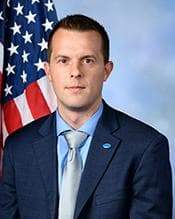
Jared F. Golden
Democratic Representative
Maine
Cosponsors (8)
Ways and Means Committee, Tax Subcommittee
- Introduced
- In Committee
- On Floor
- Passed Chamber
- Enacted
Crack Down on Dark Money Act This bill prohibits tax-exempt 501(c)(4) social welfare organizations from using more than 10% of their total expenditures on covered political expenditures (i.e., direct or indirect expenditures for an exempt function, including influencing or attempting to influence the selection, nomination, election, or appointment of any individual to any federal, state, or local public office or office in a political organization, or the election of presidential or vice-presidential electors, whether or not such individual or electors are selected, nominated, elected, or appointed). The bill also requires a social welfare organization that spends funds on political intervention to publicly disclose the name and address of any contributor donating $5,000 or more to such organization. The term political intervention includes advocacy for the election, defeat, nomination or recall of a political candidate, the making of contributions to a political campaign, communications to the electorate about political candidates, and political use of resources.
View Full TextSuggested Questions
Get AI-generated questions to help you understand this bill better
Timeline
Introduced in House
Referred to the Subcommittee on Select Revenue Measures.
Referred to the House Committee on Ways and Means.
Taxation
Administrative remediesBroadcasting, cable, digital technologiesCivics educationElections, voting, political campaign regulationFederal Election Commission (FEC)Government ethics and transparency, public corruptionGovernment information and archivesPolitical advertisingPolitical parties and affiliationTax-exempt organizationsTelevision and film
Crack Down on Dark Money Act
USA116th CongressHR-7525| House
| Updated: 7/9/2020
Crack Down on Dark Money Act This bill prohibits tax-exempt 501(c)(4) social welfare organizations from using more than 10% of their total expenditures on covered political expenditures (i.e., direct or indirect expenditures for an exempt function, including influencing or attempting to influence the selection, nomination, election, or appointment of any individual to any federal, state, or local public office or office in a political organization, or the election of presidential or vice-presidential electors, whether or not such individual or electors are selected, nominated, elected, or appointed). The bill also requires a social welfare organization that spends funds on political intervention to publicly disclose the name and address of any contributor donating $5,000 or more to such organization. The term political intervention includes advocacy for the election, defeat, nomination or recall of a political candidate, the making of contributions to a political campaign, communications to the electorate about political candidates, and political use of resources.
View Full TextSuggested Questions
Get AI-generated questions to help you understand this bill better
Timeline
Introduced in House
Referred to the Subcommittee on Select Revenue Measures.
Referred to the House Committee on Ways and Means.
Jared F. Golden
Democratic Representative
Maine
Cosponsors (8)
Ways and Means Committee, Tax Subcommittee
Taxation
- Introduced
- In Committee
- On Floor
- Passed Chamber
- Enacted
Administrative remediesBroadcasting, cable, digital technologiesCivics educationElections, voting, political campaign regulationFederal Election Commission (FEC)Government ethics and transparency, public corruptionGovernment information and archivesPolitical advertisingPolitical parties and affiliationTax-exempt organizationsTelevision and film