STARTER Act
USA116th CongressHR-7248| House
| Updated: 6/19/2020
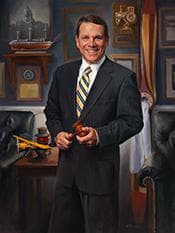
Sam Graves
Republican Representative
Missouri
Cosponsors (23)
Doug LaMalfa (Republican)Bob Gibbs (Republican)Eric A. "Rick" Crawford (Republican)Tim Burchett (Republican)Don Young (Republican)Robert J. Wittman (Republican)David Rouzer (Republican)Lloyd Smucker (Republican)Carol D. Miller (Republican)Rodney Davis (Republican)Brian J. Mast (Republican)Bruce Westerman (Republican)Rob Woodall (Republican)Mike Gallagher (Republican)Garret Graves (Republican)Mike Bost (Republican)Pete Stauber (Republican)Randy K. Sr. Weber (Republican)Greg Pence (Republican)Jenniffer González-Colón (Republican)Troy Balderson (Republican)Brian Babin (Republican)Ross Spano (Republican)
Railroads, Pipelines, and Hazardous Materials Subcommittee, Transportation and Infrastructure Committee, Ways and Means Committee, Highways and Transit Subcommittee
- Introduced
- In Committee
- On Floor
- Passed Chamber
- Enacted
Surface Transportation Advanced through Reform, Technology, and Efficient Review Act or the STARTER Act This bill addresses provisions related to federal-aid highway, transit, highway safety, motor carrier, innovation, and resiliency programs of the Department of Transportation (DOT). Among other provisions, the bill extends FY2020 enacted levels through FY2025 for federal-aid highway, transit, and safety programs; requires DOT to provide competitive grants for projects to provide parking for commercial motor vehicles on the federal-aid highway system; authorizes DOT to modify loan interest rates under the transportation infrastructure finance and innovation (TIFIA) program for borrowers impacted by COVID-19 (i.e. coronavirus disease 2019); specifies that projects that provide access to hospitals and health care providers in areas of limited public transportation options are eligible to be carried out as public transportation research projects; creates a public awareness campaign to reduce instances of driving while under the influence of prescription and over-the-counter medications; directs DOT to promulgate regulations to implement an apprenticeship program for licensed commercial motor vehicle drivers under the age of 21; establishes new competitive grant programs to spur innovation of connected vehicle applications into practical and effective operational deployments, and to test the safe integration of automated driving system technologies into the on-road transportation system; and addresses projects to improve the resiliency of federal-aid highways and bridges on and off the National Highway System.
View Full TextSuggested Questions
Get AI-generated questions to help you understand this bill better
Timeline
Introduced in House
Referred to the Committee on Transportation and Infrastructure, and in addition to the Committee on Ways and Means, for a period to be subsequently determined by the Speaker, in each case for consideration of such provisions as fall within the jurisdiction of the committee concerned.
Referred to the Subcommittee on Highways and Transit.
Referred to the Subcommittee on Railroads, Pipelines, and Hazardous Materials.
Transportation and Public Works
AccidentsAccounting and auditingAdministrative law and regulatory proceduresAdministrative remediesAdvanced technology and technological innovationsAgricultural conservation and pollutionAir qualityAtmospheric science and weatherBroadcasting, cable, digital technologiesBuilding constructionCardiovascular and respiratory healthCivil actions and liabilityClimate change and greenhouse gasesCommutingComputers and information technologyCongressional oversightDepartment of TransportationDisability assistanceDrug, alcohol, tobacco useEconomic developmentEmergency communications systemsEmergency medical services and trauma careEmergency planning and evacuationEmployment and training programsEnvironmental assessment, monitoring, researchEnvironmental regulatory proceduresFiresFloods and storm protectionGeography and mappingGovernment information and archivesGovernment lending and loan guaranteesGovernment studies and investigationsGovernment trust fundsInfectious and parasitic diseasesInterest, dividends, interest ratesIntergovernmental relationsInternet and video servicesInternet, web applications, social mediaLakes and riversLicensing and registrationsLife, casualty, property insuranceMarine and coastal resources, fisheriesMotor carriersMotor vehiclesNatural disastersPerformance measurementPublic contracts and procurementPublic-private cooperationPublic transitRailroadsRegional and metropolitan planningResearch administration and fundingResearch and developmentRoads and highwaysRural conditions and developmentSales and excise taxesSocial security and elderly assistanceSolid waste and recyclingState and local government operationsTechnology transfer and commercializationTransportation employeesTransportation programs fundingTransportation safety and securityUrban and suburban affairs and developmentUser charges and feesWater qualityWatersheds
STARTER Act
USA116th CongressHR-7248| House
| Updated: 6/19/2020
Surface Transportation Advanced through Reform, Technology, and Efficient Review Act or the STARTER Act This bill addresses provisions related to federal-aid highway, transit, highway safety, motor carrier, innovation, and resiliency programs of the Department of Transportation (DOT). Among other provisions, the bill extends FY2020 enacted levels through FY2025 for federal-aid highway, transit, and safety programs; requires DOT to provide competitive grants for projects to provide parking for commercial motor vehicles on the federal-aid highway system; authorizes DOT to modify loan interest rates under the transportation infrastructure finance and innovation (TIFIA) program for borrowers impacted by COVID-19 (i.e. coronavirus disease 2019); specifies that projects that provide access to hospitals and health care providers in areas of limited public transportation options are eligible to be carried out as public transportation research projects; creates a public awareness campaign to reduce instances of driving while under the influence of prescription and over-the-counter medications; directs DOT to promulgate regulations to implement an apprenticeship program for licensed commercial motor vehicle drivers under the age of 21; establishes new competitive grant programs to spur innovation of connected vehicle applications into practical and effective operational deployments, and to test the safe integration of automated driving system technologies into the on-road transportation system; and addresses projects to improve the resiliency of federal-aid highways and bridges on and off the National Highway System.
View Full TextSuggested Questions
Get AI-generated questions to help you understand this bill better
Timeline
Introduced in House
Referred to the Committee on Transportation and Infrastructure, and in addition to the Committee on Ways and Means, for a period to be subsequently determined by the Speaker, in each case for consideration of such provisions as fall within the jurisdiction of the committee concerned.
Referred to the Subcommittee on Highways and Transit.
Referred to the Subcommittee on Railroads, Pipelines, and Hazardous Materials.
Sam Graves
Republican Representative
Missouri
Cosponsors (23)
Doug LaMalfa (Republican)Bob Gibbs (Republican)Eric A. "Rick" Crawford (Republican)Tim Burchett (Republican)Don Young (Republican)Robert J. Wittman (Republican)David Rouzer (Republican)Lloyd Smucker (Republican)Carol D. Miller (Republican)Rodney Davis (Republican)Brian J. Mast (Republican)Bruce Westerman (Republican)Rob Woodall (Republican)Mike Gallagher (Republican)Garret Graves (Republican)Mike Bost (Republican)Pete Stauber (Republican)Randy K. Sr. Weber (Republican)Greg Pence (Republican)Jenniffer González-Colón (Republican)Troy Balderson (Republican)Brian Babin (Republican)Ross Spano (Republican)
Railroads, Pipelines, and Hazardous Materials Subcommittee, Transportation and Infrastructure Committee, Ways and Means Committee, Highways and Transit Subcommittee
Transportation and Public Works
Related Bills
- HR 116-8859: REPAIR Act
- HR 116-7457: Motor Carrier Safety Selection Standard Act
- HR 116-8510: Highway Relief Act
- HR 116-4919: Responsible and Efficient Agriculture Destination Act
- S 116-1909: Resilient Highways Act of 2019
- HR 116-8513: CSA Reform Act
- S 116-569: DRIVE-Safe Act
- HR 116-7130: One Federal Decision Act of 2020
- HR 116-8579: SMART Transportation Act
- HR 116-1372: To clarify that it is United States policy to recognize Israel's sovereignty over the Golan Heights.
- Introduced
- In Committee
- On Floor
- Passed Chamber
- Enacted
AccidentsAccounting and auditingAdministrative law and regulatory proceduresAdministrative remediesAdvanced technology and technological innovationsAgricultural conservation and pollutionAir qualityAtmospheric science and weatherBroadcasting, cable, digital technologiesBuilding constructionCardiovascular and respiratory healthCivil actions and liabilityClimate change and greenhouse gasesCommutingComputers and information technologyCongressional oversightDepartment of TransportationDisability assistanceDrug, alcohol, tobacco useEconomic developmentEmergency communications systemsEmergency medical services and trauma careEmergency planning and evacuationEmployment and training programsEnvironmental assessment, monitoring, researchEnvironmental regulatory proceduresFiresFloods and storm protectionGeography and mappingGovernment information and archivesGovernment lending and loan guaranteesGovernment studies and investigationsGovernment trust fundsInfectious and parasitic diseasesInterest, dividends, interest ratesIntergovernmental relationsInternet and video servicesInternet, web applications, social mediaLakes and riversLicensing and registrationsLife, casualty, property insuranceMarine and coastal resources, fisheriesMotor carriersMotor vehiclesNatural disastersPerformance measurementPublic contracts and procurementPublic-private cooperationPublic transitRailroadsRegional and metropolitan planningResearch administration and fundingResearch and developmentRoads and highwaysRural conditions and developmentSales and excise taxesSocial security and elderly assistanceSolid waste and recyclingState and local government operationsTechnology transfer and commercializationTransportation employeesTransportation programs fundingTransportation safety and securityUrban and suburban affairs and developmentUser charges and feesWater qualityWatersheds