More PPP Act
USA116th CongressHR-6893| House
| Updated: 5/15/2020
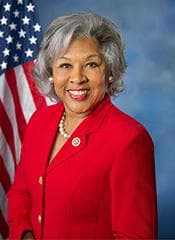
Joyce Beatty
Democratic Representative
Ohio
Cosponsors (1)
Small Business Committee
- Introduced
- In Committee
- On Floor
- Passed Chamber
- Enacted
Making Opportunities a Reality for Entrepreneurs Paycheck Protection Program or the More PPP Act This bill provides additional funding for and modifies the Paycheck Protection Program established to support small businesses in response to COVID-19 (i.e., coronavirus disease 2019). Specifically, the bill increases funding for paycheck protection loans by $560 billion, and it provides additional funding of $571 billion for paycheck protection loans through FY2021. Further, the bill sets aside $200 billion for paycheck protection loans to businesses and nonprofit organizations with 25 or fewer employees, sole proprietors, independent contractors, and self-employed individuals. The bill also modifies eligibility for the program by (1) making publicly traded companies ineligible to participate, and (2) requiring borrowers to certify a decline in revenue of 20% or more. Further, the bill makes it unlawful for a lender to discriminate against or give preferential treatment to any eligible recipient. The Small Business Administration must report on the demographic data, including race, gender, and ethnicity, of paycheck protection loan recipients.
View Full TextSuggested Questions
Get AI-generated questions to help you understand this bill better
Timeline
Introduced in House
Referred to the House Committee on Small Business.
Commerce
AppropriationsBusiness expensesCardiovascular and respiratory healthCongressional oversightEmergency medical services and trauma careExecutive agency funding and structureGovernment lending and loan guaranteesInfectious and parasitic diseasesSelf-employedSmall businessSmall Business AdministrationSocial work, volunteer service, charitable organizationsWages and earnings
More PPP Act
USA116th CongressHR-6893| House
| Updated: 5/15/2020
Making Opportunities a Reality for Entrepreneurs Paycheck Protection Program or the More PPP Act This bill provides additional funding for and modifies the Paycheck Protection Program established to support small businesses in response to COVID-19 (i.e., coronavirus disease 2019). Specifically, the bill increases funding for paycheck protection loans by $560 billion, and it provides additional funding of $571 billion for paycheck protection loans through FY2021. Further, the bill sets aside $200 billion for paycheck protection loans to businesses and nonprofit organizations with 25 or fewer employees, sole proprietors, independent contractors, and self-employed individuals. The bill also modifies eligibility for the program by (1) making publicly traded companies ineligible to participate, and (2) requiring borrowers to certify a decline in revenue of 20% or more. Further, the bill makes it unlawful for a lender to discriminate against or give preferential treatment to any eligible recipient. The Small Business Administration must report on the demographic data, including race, gender, and ethnicity, of paycheck protection loan recipients.
View Full TextSuggested Questions
Get AI-generated questions to help you understand this bill better
Timeline
Introduced in House
Referred to the House Committee on Small Business.
Joyce Beatty
Democratic Representative
Ohio
Cosponsors (1)
Small Business Committee
Commerce
- Introduced
- In Committee
- On Floor
- Passed Chamber
- Enacted
AppropriationsBusiness expensesCardiovascular and respiratory healthCongressional oversightEmergency medical services and trauma careExecutive agency funding and structureGovernment lending and loan guaranteesInfectious and parasitic diseasesSelf-employedSmall businessSmall Business AdministrationSocial work, volunteer service, charitable organizationsWages and earnings