National Infrastructure Development Bank Act of 2019
USA116th CongressHR-658| House
| Updated: 2/7/2019
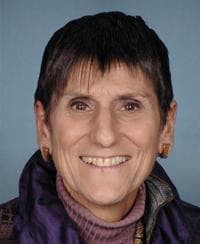
Rosa L. DeLauro
Democratic Representative
Connecticut
Cosponsors (62)
Dwight Evans (Democratic)Tim Ryan (Democratic)John Garamendi (Democratic)Marc A. Veasey (Democratic)Robert C. "Bobby" Scott (Democratic)Adam B. Schiff (Democratic)Nita M. Lowey (Democratic)Robin L. Kelly (Democratic)Joseph P. Kennedy (Democratic)Raúl M. Grijalva (Democratic)Mark Pocan (Democratic)James R. Langevin (Democratic)David N. Cicilline (Democratic)Jackie Speier (Democratic)Derek Kilmer (Democratic)Bill Foster (Democratic)Joe Courtney (Democratic)Ilhan Omar (Democratic)Pete Aguilar (Democratic)Eliot L. Engel (Democratic)Frederica S. Wilson (Democratic)Michael F. Doyle (Democratic)Debbie Dingell (Democratic)Katherine M. Clark (Democratic)Steve Cohen (Democratic)Tony Cárdenas (Democratic)Suzan K. DelBene (Democratic)Paul Tonko (Democratic)Adriano Espaillat (Democratic)Ro Khanna (Democratic)Ann M. Kuster (Democratic)André Carson (Democratic)Brendan F. Boyle (Democratic)Matt Cartwright (Democratic)John B. Larson (Democratic)Stephen F. Lynch (Democratic)Mark DeSaulnier (Democratic)David E. Price (Democratic)James A. Himes (Democratic)Theodore E. Deutch (Democratic)Anna G. Eshoo (Democratic)Mark Takano (Democratic)Betty McCollum (Democratic)Brad Sherman (Democratic)Conor Lamb (Democratic)Salud O. Carbajal (Democratic)Donald S. Beyer (Democratic)Janice D. Schakowsky (Democratic)James P. McGovern (Democratic)Nydia M. Velázquez (Democratic)William R. Keating (Democratic)Yvette D. Clarke (Democratic)Rick Larsen (Democratic)Jose E. Serrano (Democratic)Peter Welch (Democratic)Suzanne Bonamici (Democratic)Zoe Lofgren (Democratic)Gwen Moore (Democratic)Alcee L. Hastings (Democratic)Debbie Wasserman Schultz (Democratic)Chellie Pingree (Democratic)Judy Chu (Democratic)
Committees (9)
• Railroads, Pipelines, and Hazardous Materials Subcommittee• Transportation and Infrastructure Committee• Ways and Means Committee• Water Resources and Environment Subcommittee• Highways and Transit Subcommittee• Financial Services Committee• Economic Development, Public Buildings, and Emergency Management Subcommittee• Energy and Commerce Committee• Aviation Subcommittee
- Introduced
- In Committee
- On Floor
- Passed Chamber
- Enacted
National Infrastructure Development Bank Act of 2019 This bill establishes the National Infrastructure Development Bank as a government corporation to finance energy, environmental (e.g., drinking water or waste facilities), telecommunications, and transportation infrastructure projects. The National Infrastructure Development Bank Board, established by this bill, must oversee the projects. The board may make loans and loan guarantees to assist in financing infrastructure projects. In addition, the board must establish an American Infrastructure Bond program. Under the program, the board may subsidize interest payments by the issuers of state or local bonds. The bill establishes the National Infrastructure Development Bank Trust Fund and appropriates to the fund an amount equal to the tax receipts attributable to interest payable under the bonds. With the approval of the Department of the Treasury, the board may issue public benefit bonds to provide financing to infrastructure projects. The bill exempts bonds issued by the bank, and the interest on or credits with respect to the bonds, from state or local government taxation. Financial assistance for an infrastructure project must be repayable from dedicated revenue sources that also secure the infrastructure project obligations. The assistance may not exceed 50% of reasonably anticipated project costs.
View Full TextSuggested Questions
Get AI-generated questions to help you understand this bill better
Timeline
Introduced in House
Referred to the Committee on Energy and Commerce, and in addition to the Committees on Transportation and Infrastructure, Financial Services, and Ways and Means, for a period to be subsequently determined by the Speaker, in each case for consideration of such provisions as fall within the jurisdiction of the committee concerned.
Referred to the Subcommittee on Water Resources and Environment.
Referred to the Subcommittee on Highways and Transit.
Referred to the Subcommittee on Aviation.
Referred to the Subcommittee on Economic Development, Public Buildings, and Emergency Management.
Referred to the Subcommittee on Railroads, Pipelines, and Hazardous Materials.
Government Operations and Politics
Accounting and auditingAir qualityAlternative and renewable resourcesBank accounts, deposits, capitalBroadcasting, cable, digital technologiesBuy American requirementsClimate change and greenhouse gasesDams and canalsEconomic developmentEducational facilities and institutionsElectric power generation and transmissionEmployment and training programsEnergy efficiency and conservationEnergy storage, supplies, demandEnvironmental healthExecutive agency funding and structureFederal preemptionFloods and storm protectionGovernment corporations and government-sponsored enterprisesGovernment lending and loan guaranteesGovernment trust fundsHazardous wastes and toxic substancesHealth facilities and institutionsInfrastructure developmentIntergovernmental relationsMetalsPublic housingPublic-private cooperationRural conditions and developmentSecuritiesSolid waste and recyclingState and local taxationTax-exempt organizationsTelephone and wireless communicationTransportation programs fundingTransportation safety and securityUser charges and feesWages and earningsWater qualityWater use and supplyWetlandsWomen's employment
National Infrastructure Development Bank Act of 2019
USA116th CongressHR-658| House
| Updated: 2/7/2019
National Infrastructure Development Bank Act of 2019 This bill establishes the National Infrastructure Development Bank as a government corporation to finance energy, environmental (e.g., drinking water or waste facilities), telecommunications, and transportation infrastructure projects. The National Infrastructure Development Bank Board, established by this bill, must oversee the projects. The board may make loans and loan guarantees to assist in financing infrastructure projects. In addition, the board must establish an American Infrastructure Bond program. Under the program, the board may subsidize interest payments by the issuers of state or local bonds. The bill establishes the National Infrastructure Development Bank Trust Fund and appropriates to the fund an amount equal to the tax receipts attributable to interest payable under the bonds. With the approval of the Department of the Treasury, the board may issue public benefit bonds to provide financing to infrastructure projects. The bill exempts bonds issued by the bank, and the interest on or credits with respect to the bonds, from state or local government taxation. Financial assistance for an infrastructure project must be repayable from dedicated revenue sources that also secure the infrastructure project obligations. The assistance may not exceed 50% of reasonably anticipated project costs.
View Full TextSuggested Questions
Get AI-generated questions to help you understand this bill better
Timeline
Introduced in House
Referred to the Committee on Energy and Commerce, and in addition to the Committees on Transportation and Infrastructure, Financial Services, and Ways and Means, for a period to be subsequently determined by the Speaker, in each case for consideration of such provisions as fall within the jurisdiction of the committee concerned.
Referred to the Subcommittee on Water Resources and Environment.
Referred to the Subcommittee on Highways and Transit.
Referred to the Subcommittee on Aviation.
Referred to the Subcommittee on Economic Development, Public Buildings, and Emergency Management.
Referred to the Subcommittee on Railroads, Pipelines, and Hazardous Materials.
Rosa L. DeLauro
Democratic Representative
Connecticut
Cosponsors (62)
Dwight Evans (Democratic)Tim Ryan (Democratic)John Garamendi (Democratic)Marc A. Veasey (Democratic)Robert C. "Bobby" Scott (Democratic)Adam B. Schiff (Democratic)Nita M. Lowey (Democratic)Robin L. Kelly (Democratic)Joseph P. Kennedy (Democratic)Raúl M. Grijalva (Democratic)Mark Pocan (Democratic)James R. Langevin (Democratic)David N. Cicilline (Democratic)Jackie Speier (Democratic)Derek Kilmer (Democratic)Bill Foster (Democratic)Joe Courtney (Democratic)Ilhan Omar (Democratic)Pete Aguilar (Democratic)Eliot L. Engel (Democratic)Frederica S. Wilson (Democratic)Michael F. Doyle (Democratic)Debbie Dingell (Democratic)Katherine M. Clark (Democratic)Steve Cohen (Democratic)Tony Cárdenas (Democratic)Suzan K. DelBene (Democratic)Paul Tonko (Democratic)Adriano Espaillat (Democratic)Ro Khanna (Democratic)Ann M. Kuster (Democratic)André Carson (Democratic)Brendan F. Boyle (Democratic)Matt Cartwright (Democratic)John B. Larson (Democratic)Stephen F. Lynch (Democratic)Mark DeSaulnier (Democratic)David E. Price (Democratic)James A. Himes (Democratic)Theodore E. Deutch (Democratic)Anna G. Eshoo (Democratic)Mark Takano (Democratic)Betty McCollum (Democratic)Brad Sherman (Democratic)Conor Lamb (Democratic)Salud O. Carbajal (Democratic)Donald S. Beyer (Democratic)Janice D. Schakowsky (Democratic)James P. McGovern (Democratic)Nydia M. Velázquez (Democratic)William R. Keating (Democratic)Yvette D. Clarke (Democratic)Rick Larsen (Democratic)Jose E. Serrano (Democratic)Peter Welch (Democratic)Suzanne Bonamici (Democratic)Zoe Lofgren (Democratic)Gwen Moore (Democratic)Alcee L. Hastings (Democratic)Debbie Wasserman Schultz (Democratic)Chellie Pingree (Democratic)Judy Chu (Democratic)
Committees (9)
• Railroads, Pipelines, and Hazardous Materials Subcommittee• Transportation and Infrastructure Committee• Ways and Means Committee• Water Resources and Environment Subcommittee• Highways and Transit Subcommittee• Financial Services Committee• Economic Development, Public Buildings, and Emergency Management Subcommittee• Energy and Commerce Committee• Aviation Subcommittee
Government Operations and Politics
- Introduced
- In Committee
- On Floor
- Passed Chamber
- Enacted
Accounting and auditingAir qualityAlternative and renewable resourcesBank accounts, deposits, capitalBroadcasting, cable, digital technologiesBuy American requirementsClimate change and greenhouse gasesDams and canalsEconomic developmentEducational facilities and institutionsElectric power generation and transmissionEmployment and training programsEnergy efficiency and conservationEnergy storage, supplies, demandEnvironmental healthExecutive agency funding and structureFederal preemptionFloods and storm protectionGovernment corporations and government-sponsored enterprisesGovernment lending and loan guaranteesGovernment trust fundsHazardous wastes and toxic substancesHealth facilities and institutionsInfrastructure developmentIntergovernmental relationsMetalsPublic housingPublic-private cooperationRural conditions and developmentSecuritiesSolid waste and recyclingState and local taxationTax-exempt organizationsTelephone and wireless communicationTransportation programs fundingTransportation safety and securityUser charges and feesWages and earningsWater qualityWater use and supplyWetlandsWomen's employment