Paid Sick Days for Public Health Emergencies and Personal and Family Care Act
USA116th CongressHR-6150| House
| Updated: 3/9/2020
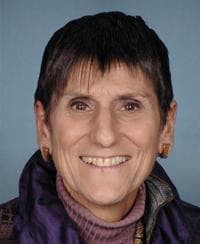
Rosa L. DeLauro
Democratic Representative
Connecticut
Cosponsors (83)
Brenda L. Lawrence (Democratic)Tim Ryan (Democratic)Marcy Kaptur (Democratic)Sylvia R. Garcia (Democratic)Ruben Gallego (Democratic)Adam B. Schiff (Democratic)Barbara Lee (Democratic)Nita M. Lowey (Democratic)Joseph P. Kennedy (Democratic)Mark Pocan (Democratic)James R. Langevin (Democratic)David N. Cicilline (Democratic)Emanuel Cleaver (Democratic)Brian Higgins (Democratic)Jackie Speier (Democratic)Kathleen M. Rice (Democratic)Darren Soto (Democratic)Derek Kilmer (Democratic)Carolyn B. Maloney (Democratic)Bill Foster (Democratic)Debra A. Haaland (Democratic)Sanford D. Bishop (Democratic)Ilhan Omar (Democratic)Eliot L. Engel (Democratic)Terri A. Sewell (Democratic)Bobby L. Rush (Democratic)Andy Levin (Democratic)Jimmy Panetta (Democratic)Eric Swalwell (Democratic)Michael F. Doyle (Democratic)Debbie Dingell (Democratic)Steve Cohen (Democratic)Jennifer Wexton (Democratic)Thomas R. Suozzi (Democratic)Wm. Lacy Clay (Democratic)Anthony G. Brown (Democratic)Adriano Espaillat (Democratic)Peter A. DeFazio (Democratic)Ro Khanna (Democratic)Alan S. Lowenthal (Democratic)Ann M. Kuster (Democratic)Sean Patrick Maloney (Democratic)Brendan F. Boyle (Democratic)John B. Larson (Democratic)Mark DeSaulnier (Democratic)Joseph D. Morelle (Democratic)Jahana Hayes (Democratic)David E. Price (Democratic)Marcia L. Fudge (Democratic)Jerrold Nadler (Democratic)Theodore E. Deutch (Democratic)Ami Bera (Democratic)Mark Takano (Democratic)Lucy McBath (Democratic)Pramila Jayapal (Democratic)Kathy Castor (Democratic)Eleanor Holmes Norton (Democratic)Mary Gay Scanlon (Democratic)Jamie Raskin (Democratic)Lois Frankel (Democratic)Donald S. Beyer (Democratic)Sean Casten (Democratic)Debbie Mucarsel-Powell (Democratic)Diana DeGette (Democratic)Janice D. Schakowsky (Democratic)Alexandria Ocasio-Cortez (Democratic)Adam Smith (Democratic)Nydia M. Velázquez (Democratic)Julia Brownley (Democratic)Jerry McNerney (Democratic)Albio Sires (Democratic)Earl Blumenauer (Democratic)Suzanne Bonamici (Democratic)Linda T. Sánchez (Democratic)Jimmy Gomez (Democratic)Ayanna Pressley (Democratic)Alcee L. Hastings (Democratic)Veronica Escobar (Democratic)Debbie Wasserman Schultz (Democratic)Chellie Pingree (Democratic)Bill Pascrell (Democratic)Mike Levin (Democratic)Judy Chu (Democratic)
Committee on House Administration, Judiciary Committee, Education and Workforce Committee, Oversight and Government Reform Committee
- Introduced
- In Committee
- On Floor
- Passed Chamber
- Enacted
Paid Sick Days for Public Health Emergencies and Personal and Family Care Act This bill expands the availability of paid sick time by requiring employers with at least one employee to provide a minimum amount of accrued paid sick time per work week and additional paid sick time in the event of a public-health emergency such as the coronavirus (i.e., the virus that causes COVID-19). Specifically, the bill requires employers to grant at least 1 hour of accrued paid sick time to each employee for every 30 hours worked, up to a minimum of 56 hours, or 7 days, of paid sick time per year. Accrued paid sick time may be used for, among other reasons, an absence from work that is taken (1) due to a medical condition or illness or for the diagnosis, care, or prevention thereof; (2) to care for a child, spouse, domestic partner, parent, or other close relative with a medical condition or illness, or for the diagnosis or prevention thereof; (3) during a public-health emergency when the employee's workplace has been closed or the employee has been exposed to a communicable disease and may pose a risk to others; or (4) to care for a child or close relative during such public-health emergency, if such relative has been exposed to a communicable disease or the child's school has been closed. Further, employees are immediately entitled to up to 14 days of additional paid sick time if a public-health emergency is declared. This additional paid sick time may be used during the public-health emergency for the same purposes as accrued paid sick time.
View Full TextSuggested Questions
Get AI-generated questions to help you understand this bill better
Timeline
Introduced in House
Referred to the Committee on Education and Labor, and in addition to the Committees on House Administration, Oversight and Reform, and the Judiciary, for a period to be subsequently determined by the Speaker, in each case for consideration of such provisions as fall within the jurisdiction of the committee concerned.
Labor and Employment
Administrative law and regulatory proceduresAssault and harassment offensesChild care and developmentCivil actions and liabilityCongressional agenciesCongressional officers and employeesCongressional oversightDepartment of LaborDomestic violence and child abuseEmergency medical services and trauma careEmployee benefits and pensionsEmployee leaveEmployment discrimination and employee rightsGovernment Accountability Office (GAO)Government employee pay, benefits, personnel managementGovernment studies and investigationsHealth promotion and preventive careLibrary of CongressMedical tests and diagnostic methodsMental healthSex offensesWages and earnings
Paid Sick Days for Public Health Emergencies and Personal and Family Care Act
USA116th CongressHR-6150| House
| Updated: 3/9/2020
Paid Sick Days for Public Health Emergencies and Personal and Family Care Act This bill expands the availability of paid sick time by requiring employers with at least one employee to provide a minimum amount of accrued paid sick time per work week and additional paid sick time in the event of a public-health emergency such as the coronavirus (i.e., the virus that causes COVID-19). Specifically, the bill requires employers to grant at least 1 hour of accrued paid sick time to each employee for every 30 hours worked, up to a minimum of 56 hours, or 7 days, of paid sick time per year. Accrued paid sick time may be used for, among other reasons, an absence from work that is taken (1) due to a medical condition or illness or for the diagnosis, care, or prevention thereof; (2) to care for a child, spouse, domestic partner, parent, or other close relative with a medical condition or illness, or for the diagnosis or prevention thereof; (3) during a public-health emergency when the employee's workplace has been closed or the employee has been exposed to a communicable disease and may pose a risk to others; or (4) to care for a child or close relative during such public-health emergency, if such relative has been exposed to a communicable disease or the child's school has been closed. Further, employees are immediately entitled to up to 14 days of additional paid sick time if a public-health emergency is declared. This additional paid sick time may be used during the public-health emergency for the same purposes as accrued paid sick time.
View Full TextSuggested Questions
Get AI-generated questions to help you understand this bill better
Timeline
Introduced in House
Referred to the Committee on Education and Labor, and in addition to the Committees on House Administration, Oversight and Reform, and the Judiciary, for a period to be subsequently determined by the Speaker, in each case for consideration of such provisions as fall within the jurisdiction of the committee concerned.
Rosa L. DeLauro
Democratic Representative
Connecticut
Cosponsors (83)
Brenda L. Lawrence (Democratic)Tim Ryan (Democratic)Marcy Kaptur (Democratic)Sylvia R. Garcia (Democratic)Ruben Gallego (Democratic)Adam B. Schiff (Democratic)Barbara Lee (Democratic)Nita M. Lowey (Democratic)Joseph P. Kennedy (Democratic)Mark Pocan (Democratic)James R. Langevin (Democratic)David N. Cicilline (Democratic)Emanuel Cleaver (Democratic)Brian Higgins (Democratic)Jackie Speier (Democratic)Kathleen M. Rice (Democratic)Darren Soto (Democratic)Derek Kilmer (Democratic)Carolyn B. Maloney (Democratic)Bill Foster (Democratic)Debra A. Haaland (Democratic)Sanford D. Bishop (Democratic)Ilhan Omar (Democratic)Eliot L. Engel (Democratic)Terri A. Sewell (Democratic)Bobby L. Rush (Democratic)Andy Levin (Democratic)Jimmy Panetta (Democratic)Eric Swalwell (Democratic)Michael F. Doyle (Democratic)Debbie Dingell (Democratic)Steve Cohen (Democratic)Jennifer Wexton (Democratic)Thomas R. Suozzi (Democratic)Wm. Lacy Clay (Democratic)Anthony G. Brown (Democratic)Adriano Espaillat (Democratic)Peter A. DeFazio (Democratic)Ro Khanna (Democratic)Alan S. Lowenthal (Democratic)Ann M. Kuster (Democratic)Sean Patrick Maloney (Democratic)Brendan F. Boyle (Democratic)John B. Larson (Democratic)Mark DeSaulnier (Democratic)Joseph D. Morelle (Democratic)Jahana Hayes (Democratic)David E. Price (Democratic)Marcia L. Fudge (Democratic)Jerrold Nadler (Democratic)Theodore E. Deutch (Democratic)Ami Bera (Democratic)Mark Takano (Democratic)Lucy McBath (Democratic)Pramila Jayapal (Democratic)Kathy Castor (Democratic)Eleanor Holmes Norton (Democratic)Mary Gay Scanlon (Democratic)Jamie Raskin (Democratic)Lois Frankel (Democratic)Donald S. Beyer (Democratic)Sean Casten (Democratic)Debbie Mucarsel-Powell (Democratic)Diana DeGette (Democratic)Janice D. Schakowsky (Democratic)Alexandria Ocasio-Cortez (Democratic)Adam Smith (Democratic)Nydia M. Velázquez (Democratic)Julia Brownley (Democratic)Jerry McNerney (Democratic)Albio Sires (Democratic)Earl Blumenauer (Democratic)Suzanne Bonamici (Democratic)Linda T. Sánchez (Democratic)Jimmy Gomez (Democratic)Ayanna Pressley (Democratic)Alcee L. Hastings (Democratic)Veronica Escobar (Democratic)Debbie Wasserman Schultz (Democratic)Chellie Pingree (Democratic)Bill Pascrell (Democratic)Mike Levin (Democratic)Judy Chu (Democratic)
Committee on House Administration, Judiciary Committee, Education and Workforce Committee, Oversight and Government Reform Committee
Labor and Employment
Related Bills
- S 116-840: Healthy Families Act
- HR 116-6201: Families First Coronavirus Response Act
- S 116-3415: Paid Sick Days for Public Health Emergencies and Personal and Family Care Act
- HR 116-6442: Providing Americans Insured Days of Leave Act of 2020
- HR 116-1784: Healthy Families Act
- S 116-3513: Providing Americans Insured Days of Leave Act of 2020
- Introduced
- In Committee
- On Floor
- Passed Chamber
- Enacted
Administrative law and regulatory proceduresAssault and harassment offensesChild care and developmentCivil actions and liabilityCongressional agenciesCongressional officers and employeesCongressional oversightDepartment of LaborDomestic violence and child abuseEmergency medical services and trauma careEmployee benefits and pensionsEmployee leaveEmployment discrimination and employee rightsGovernment Accountability Office (GAO)Government employee pay, benefits, personnel managementGovernment studies and investigationsHealth promotion and preventive careLibrary of CongressMedical tests and diagnostic methodsMental healthSex offensesWages and earnings