Environmental Justice For All Act
USA116th CongressHR-5986| House
| Updated: 10/1/2020
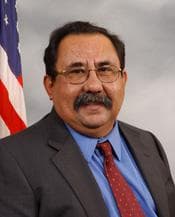
Raúl M. Grijalva
Democratic Representative
Arizona
Cosponsors (77)
Dwight Evans (Democratic)Marcy Kaptur (Democratic)Jared Huffman (Democratic)Robert C. "Bobby" Scott (Democratic)Adam B. Schiff (Democratic)Barbara Lee (Democratic)Joseph P. Kennedy (Democratic)Abigail Davis Spanberger (Democratic)Karen Bass (Democratic)Joyce Beatty (Democratic)Lisa Blunt Rochester (Democratic)Emanuel Cleaver (Democratic)Brian Higgins (Democratic)Darren Soto (Democratic)Sheila Jackson Lee (Democratic)Carolyn B. Maloney (Democratic)Bill Foster (Democratic)Debra A. Haaland (Democratic)Ilhan Omar (Democratic)Frederica S. Wilson (Democratic)Bobby L. Rush (Democratic)Gregorio Kilili Camacho Sablan (Democratic)Steven Horsford (Democratic)Jimmy Panetta (Democratic)Steve Cohen (Democratic)John P. Sarbanes (Democratic)Wm. Lacy Clay (Democratic)Adriano Espaillat (Democratic)Danny K. Davis (Democratic)Lucille Roybal-Allard (Democratic)Ro Khanna (Democratic)A. Donald McEachin (Democratic)Alan S. Lowenthal (Democratic)Henry C. "Hank" Johnson (Democratic)André Carson (Democratic)Matt Cartwright (Democratic)Stephen F. Lynch (Democratic)Mark DeSaulnier (Democratic)Joseph D. Morelle (Democratic)Alma S. Adams (Democratic)Anna G. Eshoo (Democratic)Mark Takano (Democratic)Pramila Jayapal (Democratic)Kathy Castor (Democratic)Eleanor Holmes Norton (Democratic)Bonnie Watson Coleman (Democratic)Jamie Raskin (Democratic)Joe Neguse (Democratic)Donald S. Beyer (Democratic)Diana DeGette (Democratic)Janice D. Schakowsky (Democratic)James P. McGovern (Democratic)Alexandria Ocasio-Cortez (Democratic)Adam Smith (Democratic)Nydia M. Velázquez (Democratic)Julia Brownley (Democratic)Yvette D. Clarke (Democratic)Jose E. Serrano (Democratic)Peter Welch (Democratic)Albio Sires (Democratic)Bennie G. Thompson (Democratic)Earl Blumenauer (Democratic)Suzanne Bonamici (Democratic)Zoe Lofgren (Democratic)Nanette Diaz Barragán (Democratic)Jesús G. "Chuy" García (Democratic)Jimmy Gomez (Democratic)Grace Meng (Democratic)Rashida Tlaib (Democratic)Ayanna Pressley (Democratic)Alcee L. Hastings (Democratic)Veronica Escobar (Democratic)Gerald E. Connolly (Democratic)Chellie Pingree (Democratic)Grace F. Napolitano (Democratic)Mike Levin (Democratic)Judy Chu (Democratic)
Committees (7)
• Transportation and Infrastructure Committee• Agriculture Committee• Crime and Federal Government Surveillance Subcommittee• Judiciary Committee• Energy and Commerce Committee• Education and Workforce Committee• Natural Resources Committee
- Introduced
- In Committee
- On Floor
- Passed Chamber
- Enacted
Environmental Justice For All Act This bill establishes several environmental justice requirements, advisory bodies, and programs to address the disproportionate adverse human health or environmental effects of federal laws or programs on communities of color, low-income communities, or tribal and indigenous communities. Specifically, the bill prohibits disparate impacts on the basis of race, color, or national origin as discrimination. Aggrieved persons may seek legal remedy when faced with such discrimination. In addition, the bill directs agencies to follow certain requirements concerning environmental justice. For example, agencies must prepare community impact reports that assess the potential impacts of their actions on environmental justice communities under certain circumstances. Further, it creates a variety of advisory bodies and positions, such as the Interagency Working Group on Environmental Justice Compliance and Enforcement. Among other things, the group must issue an environmental justice strategy. It also establishes requirements and programs concerning chemicals or toxic ingredients in certain products. For example, the bill (1) requires certain products (e.g., cosmetics) to include a list of ingredients or warnings; and (2) provides grants for research on designing safer alternatives to chemicals in certain consumer, cleaning, toy, or baby products that have an inherent toxicity or that are associated with chronic adverse health effects. Finally, it creates a variety of funding programs, such as a grant program to enhance access to park and recreational opportunities in an urban areas.
View Full TextSuggested Questions
Get AI-generated questions to help you understand this bill better
Timeline
Introduced in House
Referred to the Committee on Energy and Commerce, and in addition to the Committees on Natural Resources, the Judiciary, Transportation and Infrastructure, Agriculture, and Education and Labor, for a period to be subsequently determined by the Speaker, in each case for consideration of such provisions as fall within the jurisdiction of the committee concerned.
Referred to the Subcommittee on Crime, Terrorism, and Homeland Security.
Committee Hearings Held.
Environmental Protection
Administrative law and regulatory proceduresAdministrative remediesAdvisory bodiesAir qualityBuy American requirementsChild healthCivil actions and liabilityClimate change and greenhouse gasesCommunity life and organizationCongressional oversightCosmetics and personal careDepartment of TransportationDrug safety, medical device, and laboratory regulationDue process and equal protectionEcologyEconomic developmentElectric power generation and transmissionEmployee benefits and pensionsEmployment and training programsEnergy revenues and royaltiesEnvironmental assessment, monitoring, researchEnvironmental educationEnvironmental healthEnvironmental Protection Agency (EPA)Environmental regulatory proceduresEvidence and witnessesExecutive agency funding and structureExecutive Office of the PresidentFederal-Indian relationsFederal officialsFood supply, safety, and labelingForeign language and bilingual programsGeography and mappingGovernment employee pay, benefits, personnel managementGovernment information and archivesGovernment studies and investigationsGovernment trust fundsGulf of MexicoHazardous wastes and toxic substancesHealth programs administration and fundingHealth promotion and preventive careHealth technology, devices, suppliesHigher educationHistorical and cultural resourcesHousing and community development fundingIndian lands and resources rightsIndian social and development programsInfrastructure developmentIntergovernmental relationsLand transfersLand use and conservationLegal fees and court costsLicensing and registrationsMarine and coastal resources, fisheriesMarketing and advertisingMedical researchMiningMinority healthMonuments and memorialsOil and gasOutdoor recreationParks, recreation areas, trailsPerformance measurementPoverty and welfare assistanceProduct safety and qualityPublic participation and lobbyingPublic-private cooperationPublic transitRacial and ethnic relationsRegional and metropolitan planningResearch administration and fundingRural conditions and developmentSex and reproductive healthSoil pollutionSolid waste and recyclingState and local government operationsTransportation programs fundingUrban and suburban affairs and developmentUser charges and feesWater qualityWater use and supplyWomen's healthYouth employment and child labor
Environmental Justice For All Act
USA116th CongressHR-5986| House
| Updated: 10/1/2020
Environmental Justice For All Act This bill establishes several environmental justice requirements, advisory bodies, and programs to address the disproportionate adverse human health or environmental effects of federal laws or programs on communities of color, low-income communities, or tribal and indigenous communities. Specifically, the bill prohibits disparate impacts on the basis of race, color, or national origin as discrimination. Aggrieved persons may seek legal remedy when faced with such discrimination. In addition, the bill directs agencies to follow certain requirements concerning environmental justice. For example, agencies must prepare community impact reports that assess the potential impacts of their actions on environmental justice communities under certain circumstances. Further, it creates a variety of advisory bodies and positions, such as the Interagency Working Group on Environmental Justice Compliance and Enforcement. Among other things, the group must issue an environmental justice strategy. It also establishes requirements and programs concerning chemicals or toxic ingredients in certain products. For example, the bill (1) requires certain products (e.g., cosmetics) to include a list of ingredients or warnings; and (2) provides grants for research on designing safer alternatives to chemicals in certain consumer, cleaning, toy, or baby products that have an inherent toxicity or that are associated with chronic adverse health effects. Finally, it creates a variety of funding programs, such as a grant program to enhance access to park and recreational opportunities in an urban areas.
View Full TextSuggested Questions
Get AI-generated questions to help you understand this bill better
Timeline
Introduced in House
Referred to the Committee on Energy and Commerce, and in addition to the Committees on Natural Resources, the Judiciary, Transportation and Infrastructure, Agriculture, and Education and Labor, for a period to be subsequently determined by the Speaker, in each case for consideration of such provisions as fall within the jurisdiction of the committee concerned.
Referred to the Subcommittee on Crime, Terrorism, and Homeland Security.
Committee Hearings Held.
Raúl M. Grijalva
Democratic Representative
Arizona
Cosponsors (77)
Dwight Evans (Democratic)Marcy Kaptur (Democratic)Jared Huffman (Democratic)Robert C. "Bobby" Scott (Democratic)Adam B. Schiff (Democratic)Barbara Lee (Democratic)Joseph P. Kennedy (Democratic)Abigail Davis Spanberger (Democratic)Karen Bass (Democratic)Joyce Beatty (Democratic)Lisa Blunt Rochester (Democratic)Emanuel Cleaver (Democratic)Brian Higgins (Democratic)Darren Soto (Democratic)Sheila Jackson Lee (Democratic)Carolyn B. Maloney (Democratic)Bill Foster (Democratic)Debra A. Haaland (Democratic)Ilhan Omar (Democratic)Frederica S. Wilson (Democratic)Bobby L. Rush (Democratic)Gregorio Kilili Camacho Sablan (Democratic)Steven Horsford (Democratic)Jimmy Panetta (Democratic)Steve Cohen (Democratic)John P. Sarbanes (Democratic)Wm. Lacy Clay (Democratic)Adriano Espaillat (Democratic)Danny K. Davis (Democratic)Lucille Roybal-Allard (Democratic)Ro Khanna (Democratic)A. Donald McEachin (Democratic)Alan S. Lowenthal (Democratic)Henry C. "Hank" Johnson (Democratic)André Carson (Democratic)Matt Cartwright (Democratic)Stephen F. Lynch (Democratic)Mark DeSaulnier (Democratic)Joseph D. Morelle (Democratic)Alma S. Adams (Democratic)Anna G. Eshoo (Democratic)Mark Takano (Democratic)Pramila Jayapal (Democratic)Kathy Castor (Democratic)Eleanor Holmes Norton (Democratic)Bonnie Watson Coleman (Democratic)Jamie Raskin (Democratic)Joe Neguse (Democratic)Donald S. Beyer (Democratic)Diana DeGette (Democratic)Janice D. Schakowsky (Democratic)James P. McGovern (Democratic)Alexandria Ocasio-Cortez (Democratic)Adam Smith (Democratic)Nydia M. Velázquez (Democratic)Julia Brownley (Democratic)Yvette D. Clarke (Democratic)Jose E. Serrano (Democratic)Peter Welch (Democratic)Albio Sires (Democratic)Bennie G. Thompson (Democratic)Earl Blumenauer (Democratic)Suzanne Bonamici (Democratic)Zoe Lofgren (Democratic)Nanette Diaz Barragán (Democratic)Jesús G. "Chuy" García (Democratic)Jimmy Gomez (Democratic)Grace Meng (Democratic)Rashida Tlaib (Democratic)Ayanna Pressley (Democratic)Alcee L. Hastings (Democratic)Veronica Escobar (Democratic)Gerald E. Connolly (Democratic)Chellie Pingree (Democratic)Grace F. Napolitano (Democratic)Mike Levin (Democratic)Judy Chu (Democratic)
Committees (7)
• Transportation and Infrastructure Committee• Agriculture Committee• Crime and Federal Government Surveillance Subcommittee• Judiciary Committee• Energy and Commerce Committee• Education and Workforce Committee• Natural Resources Committee
Environmental Protection
Related Bills
- HR 116-4273: Transit to Trails Act of 2019
- HR 116-4512: Outdoors for All Act
- HR 116-1334: Outdoor Recreation Legacy Partnership Grant Program Act
- S 116-4401: Environmental Justice For All Act
- HR 116-2268: Menstrual Products Right To Know Act of 2019
- S 116-2467: Transit to Trails Act
- HR 116-729: Coastal and Great Lakes Communities Enhancement Act
- S 116-1458: Outdoors for All Act
- Introduced
- In Committee
- On Floor
- Passed Chamber
- Enacted
Administrative law and regulatory proceduresAdministrative remediesAdvisory bodiesAir qualityBuy American requirementsChild healthCivil actions and liabilityClimate change and greenhouse gasesCommunity life and organizationCongressional oversightCosmetics and personal careDepartment of TransportationDrug safety, medical device, and laboratory regulationDue process and equal protectionEcologyEconomic developmentElectric power generation and transmissionEmployee benefits and pensionsEmployment and training programsEnergy revenues and royaltiesEnvironmental assessment, monitoring, researchEnvironmental educationEnvironmental healthEnvironmental Protection Agency (EPA)Environmental regulatory proceduresEvidence and witnessesExecutive agency funding and structureExecutive Office of the PresidentFederal-Indian relationsFederal officialsFood supply, safety, and labelingForeign language and bilingual programsGeography and mappingGovernment employee pay, benefits, personnel managementGovernment information and archivesGovernment studies and investigationsGovernment trust fundsGulf of MexicoHazardous wastes and toxic substancesHealth programs administration and fundingHealth promotion and preventive careHealth technology, devices, suppliesHigher educationHistorical and cultural resourcesHousing and community development fundingIndian lands and resources rightsIndian social and development programsInfrastructure developmentIntergovernmental relationsLand transfersLand use and conservationLegal fees and court costsLicensing and registrationsMarine and coastal resources, fisheriesMarketing and advertisingMedical researchMiningMinority healthMonuments and memorialsOil and gasOutdoor recreationParks, recreation areas, trailsPerformance measurementPoverty and welfare assistanceProduct safety and qualityPublic participation and lobbyingPublic-private cooperationPublic transitRacial and ethnic relationsRegional and metropolitan planningResearch administration and fundingRural conditions and developmentSex and reproductive healthSoil pollutionSolid waste and recyclingState and local government operationsTransportation programs fundingUrban and suburban affairs and developmentUser charges and feesWater qualityWater use and supplyWomen's healthYouth employment and child labor