Degrees Not Debt Act of 2019
USA116th CongressHR-4638| House
| Updated: 10/11/2019
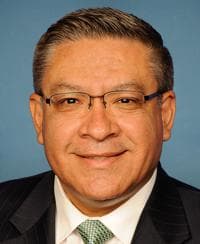
Salud O. Carbajal
Democratic Representative
California
Ways and Means Committee, Education and Workforce Committee
- Introduced
- In Committee
- On Floor
- Passed Chamber
- Enacted
Degrees Not Debt Act of 2019 This bill sets forth provisions to increase the availability of need-based federal student aid and require an institution of higher education (IHE) to disclose performance indicators. The bill repeals the alternative minimum tax exemption and the increased estate and gift tax exemption and uses the tax revenue to increase need-based federal student aid. Specifically, the bill increases (1) the maximum amount of the federal Pell Grant, and (2) the income threshold that triggers an automatic zero for an expected family contribution. In addition, the bill eliminates Pell Grant funding for an institution of higher education in a state that does not maintain its funding levels for IHEs. Finally, an IHE must disclose performance indicators (e.g., graduation rates and employment outcomes).
View Full TextSuggested Questions
Get AI-generated questions to help you understand this bill better
Timeline
Introduced in House
Referred to the Committee on Education and Labor, and in addition to the Committee on Ways and Means, for a period to be subsequently determined by the Speaker, in each case for consideration of such provisions as fall within the jurisdiction of the committee concerned.
Education
Administrative remediesGovernment lending and loan guaranteesHigher educationPerformance measurementStudent aid and college costs
Degrees Not Debt Act of 2019
USA116th CongressHR-4638| House
| Updated: 10/11/2019
Degrees Not Debt Act of 2019 This bill sets forth provisions to increase the availability of need-based federal student aid and require an institution of higher education (IHE) to disclose performance indicators. The bill repeals the alternative minimum tax exemption and the increased estate and gift tax exemption and uses the tax revenue to increase need-based federal student aid. Specifically, the bill increases (1) the maximum amount of the federal Pell Grant, and (2) the income threshold that triggers an automatic zero for an expected family contribution. In addition, the bill eliminates Pell Grant funding for an institution of higher education in a state that does not maintain its funding levels for IHEs. Finally, an IHE must disclose performance indicators (e.g., graduation rates and employment outcomes).
View Full TextSuggested Questions
Get AI-generated questions to help you understand this bill better
Timeline
Introduced in House
Referred to the Committee on Education and Labor, and in addition to the Committee on Ways and Means, for a period to be subsequently determined by the Speaker, in each case for consideration of such provisions as fall within the jurisdiction of the committee concerned.
Salud O. Carbajal
Democratic Representative
California
Ways and Means Committee, Education and Workforce Committee
Education
Related Bills
- Introduced
- In Committee
- On Floor
- Passed Chamber
- Enacted
Administrative remediesGovernment lending and loan guaranteesHigher educationPerformance measurementStudent aid and college costs