TRAP Act of 2019
USA116th CongressHR-4330| House
| Updated: 10/2/2019
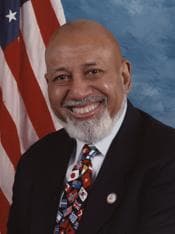
Alcee L. Hastings
Democratic Representative
Florida
Cosponsors (9)
Homeland Security Committee, Foreign Affairs Committee, Crime and Federal Government Surveillance Subcommittee, Transportation and Maritime Security Subcommittee, Judiciary Committee
- Introduced
- In Committee
- On Floor
- Passed Chamber
- Enacted
Transnational Repression Accountability and Prevention Act of 2019 or the TRAP Act of 2019 This bill establishes requirements related to U.S. cooperation with International Criminal Police Organization (INTERPOL) communications. No U.S. agency or department may arrest an individual based solely on an INTERPOL notice without (1) prior validation of the individual's eligibility for extradition, (2) a diplomatic request for arrest from the requesting country, and (3) an arrest warrant. A U.S. agency or department may not use an INTERPOL communication from an INTERPOL member country that does not have a bilateral extradition treaty with the United States as the sole basis for certain actions, such as detaining an individual or denying an individual a visa, without verifying that the communication likely comports with INTERPOL's constitution. The bill requires reports on countries that abuse INTERPOL communications for political motives and other unlawful purposes.
View Full TextSuggested Questions
Get AI-generated questions to help you understand this bill better
Timeline
Introduced in House
Referred to the Committee on Foreign Affairs, and in addition to the Committees on the Judiciary, and Homeland Security, for a period to be subsequently determined by the Speaker, in each case for consideration of such provisions as fall within the jurisdiction of the committee concerned.
Sponsor introductory remarks on measure. (CR E1153)
Referred to the Subcommittee on Transportation and Maritime Security.
Referred to the Subcommittee on Crime, Terrorism, and Homeland Security.
International Affairs
Congressional oversightCriminal investigation, prosecution, interrogationCriminal justice information and recordsDetention of personsDiplomacy, foreign officials, Americans abroadGovernment employee pay, benefits, personnel managementHuman rightsImmigration status and proceduresInternational law and treatiesInternational organizations and cooperationNews media and reportingProtest and dissentRefugees, asylum, displaced personsRule of law and government transparencyRussiaTravel and tourismVisas and passports
TRAP Act of 2019
USA116th CongressHR-4330| House
| Updated: 10/2/2019
Transnational Repression Accountability and Prevention Act of 2019 or the TRAP Act of 2019 This bill establishes requirements related to U.S. cooperation with International Criminal Police Organization (INTERPOL) communications. No U.S. agency or department may arrest an individual based solely on an INTERPOL notice without (1) prior validation of the individual's eligibility for extradition, (2) a diplomatic request for arrest from the requesting country, and (3) an arrest warrant. A U.S. agency or department may not use an INTERPOL communication from an INTERPOL member country that does not have a bilateral extradition treaty with the United States as the sole basis for certain actions, such as detaining an individual or denying an individual a visa, without verifying that the communication likely comports with INTERPOL's constitution. The bill requires reports on countries that abuse INTERPOL communications for political motives and other unlawful purposes.
View Full TextSuggested Questions
Get AI-generated questions to help you understand this bill better
Timeline
Introduced in House
Referred to the Committee on Foreign Affairs, and in addition to the Committees on the Judiciary, and Homeland Security, for a period to be subsequently determined by the Speaker, in each case for consideration of such provisions as fall within the jurisdiction of the committee concerned.
Sponsor introductory remarks on measure. (CR E1153)
Referred to the Subcommittee on Transportation and Maritime Security.
Referred to the Subcommittee on Crime, Terrorism, and Homeland Security.
Alcee L. Hastings
Democratic Representative
Florida
Cosponsors (9)
Homeland Security Committee, Foreign Affairs Committee, Crime and Federal Government Surveillance Subcommittee, Transportation and Maritime Security Subcommittee, Judiciary Committee
International Affairs
Related Bills
- Introduced
- In Committee
- On Floor
- Passed Chamber
- Enacted
Congressional oversightCriminal investigation, prosecution, interrogationCriminal justice information and recordsDetention of personsDiplomacy, foreign officials, Americans abroadGovernment employee pay, benefits, personnel managementHuman rightsImmigration status and proceduresInternational law and treatiesInternational organizations and cooperationNews media and reportingProtest and dissentRefugees, asylum, displaced personsRule of law and government transparencyRussiaTravel and tourismVisas and passports