End Employer Collusion Act
USA116th CongressHR-3920| House
| Updated: 8/15/2019
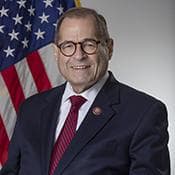
Jerrold Nadler
Democratic Representative
New York
Cosponsors (1)
Administrative State, Regulatory Reform, and Antitrust Subcommittee, Judiciary Committee
- Introduced
- In Committee
- On Floor
- Passed Chamber
- Enacted
End Employer Collusion Act This bill makes it unlawful for any entity to enter into a restrictive employment agreement, or to enforce or threaten to enforce a restrictive employment agreement. A "restrictive employment agreement" is any agreement between two or more employers that prohibits or restricts one employer from soliciting or hiring another employer's employees or former employees. The bill provides for penalties under the Sherman Act and the Federal Trade Commission Act for entering into a restrictive employment agreement.
View Full TextSuggested Questions
Get AI-generated questions to help you understand this bill better
Timeline
Introduced in House
Referred to the House Committee on the Judiciary.
Referred to the Subcommittee on Antitrust, Commercial, and Administrative Law.
Labor and Employment
Competition and antitrustEmployee hiringEmployment discrimination and employee rights
End Employer Collusion Act
USA116th CongressHR-3920| House
| Updated: 8/15/2019
End Employer Collusion Act This bill makes it unlawful for any entity to enter into a restrictive employment agreement, or to enforce or threaten to enforce a restrictive employment agreement. A "restrictive employment agreement" is any agreement between two or more employers that prohibits or restricts one employer from soliciting or hiring another employer's employees or former employees. The bill provides for penalties under the Sherman Act and the Federal Trade Commission Act for entering into a restrictive employment agreement.
View Full TextSuggested Questions
Get AI-generated questions to help you understand this bill better
Timeline
Introduced in House
Referred to the House Committee on the Judiciary.
Referred to the Subcommittee on Antitrust, Commercial, and Administrative Law.
Jerrold Nadler
Democratic Representative
New York
Cosponsors (1)
Administrative State, Regulatory Reform, and Antitrust Subcommittee, Judiciary Committee
Labor and Employment
Related Bills
- Introduced
- In Committee
- On Floor
- Passed Chamber
- Enacted
Competition and antitrustEmployee hiringEmployment discrimination and employee rights