ACCESS Act of 2019
USA116th CongressHR-3656| House
| Updated: 7/10/2019
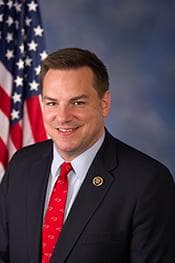
Richard Hudson
Republican Representative
North Carolina
Health Subcommittee, Judiciary Committee, Energy and Commerce Committee
- Introduced
- In Committee
- On Floor
- Passed Chamber
- Enacted
Accessible Care by Curbing Excessive lawSuitS Act of 2019 or ACCESS Act of 2019 This bill establishes rules for health care lawsuits where some amount of coverage or care was provided or paid for by a federal program, regardless of the number of other parties to the claim. The bill sets a three-year maximum statute of limitations from the date of the injury, subject to specific exceptions. Further, noneconomic damages (e.g., damages for pain and suffering) are limited to a maximum of $250,000. The bill permits courts to supervise and limit contingent fees paid to attorneys and sets a maximum contingent fee percentage based on a downward sliding scale as a damages increase. The bill permits either party to introduce evidence of collateral source benefits (e.g., workers’ compensation programs, accident insurance coverage, or other future benefit). Statements by a health care provider expressing fault, sympathy, or apology are, however, inadmissible as evidence of liability. Additionally, a plaintiff must give 90 days’ notice to the health care provider before filing a lawsuit. When filing a health care lawsuit, plaintiffs also must simultaneously submit an affidavit in support of the claim from a health care professional who meets the standards for an expert witness that are provided in the bill. This bill generally does not preempt state laws that impose additional limits on health care liability claims.
View Full TextSuggested Questions
Get AI-generated questions to help you understand this bill better
Timeline
Introduced in House
Referred to the Committee on the Judiciary, and in addition to the Committee on Energy and Commerce, for a period to be subsequently determined by the Speaker, in each case for consideration of such provisions as fall within the jurisdiction of the committee concerned.
Referred to the Subcommittee on Health.
Health
Civil actions and liabilityDrug safety, medical device, and laboratory regulationEvidence and witnessesHealth care qualityHealth facilities and institutionsHealth information and medical recordsHealth personnelHealth technology, devices, suppliesLegal fees and court costsMedical educationPrescription drugs
ACCESS Act of 2019
USA116th CongressHR-3656| House
| Updated: 7/10/2019
Accessible Care by Curbing Excessive lawSuitS Act of 2019 or ACCESS Act of 2019 This bill establishes rules for health care lawsuits where some amount of coverage or care was provided or paid for by a federal program, regardless of the number of other parties to the claim. The bill sets a three-year maximum statute of limitations from the date of the injury, subject to specific exceptions. Further, noneconomic damages (e.g., damages for pain and suffering) are limited to a maximum of $250,000. The bill permits courts to supervise and limit contingent fees paid to attorneys and sets a maximum contingent fee percentage based on a downward sliding scale as a damages increase. The bill permits either party to introduce evidence of collateral source benefits (e.g., workers’ compensation programs, accident insurance coverage, or other future benefit). Statements by a health care provider expressing fault, sympathy, or apology are, however, inadmissible as evidence of liability. Additionally, a plaintiff must give 90 days’ notice to the health care provider before filing a lawsuit. When filing a health care lawsuit, plaintiffs also must simultaneously submit an affidavit in support of the claim from a health care professional who meets the standards for an expert witness that are provided in the bill. This bill generally does not preempt state laws that impose additional limits on health care liability claims.
View Full TextSuggested Questions
Get AI-generated questions to help you understand this bill better
Timeline
Introduced in House
Referred to the Committee on the Judiciary, and in addition to the Committee on Energy and Commerce, for a period to be subsequently determined by the Speaker, in each case for consideration of such provisions as fall within the jurisdiction of the committee concerned.
Referred to the Subcommittee on Health.
Richard Hudson
Republican Representative
North Carolina
Health Subcommittee, Judiciary Committee, Energy and Commerce Committee
Health
- Introduced
- In Committee
- On Floor
- Passed Chamber
- Enacted
Civil actions and liabilityDrug safety, medical device, and laboratory regulationEvidence and witnessesHealth care qualityHealth facilities and institutionsHealth information and medical recordsHealth personnelHealth technology, devices, suppliesLegal fees and court costsMedical educationPrescription drugs