PROTECT Florida Act
USA116th CongressHR-3324| House
| Updated: 6/19/2019
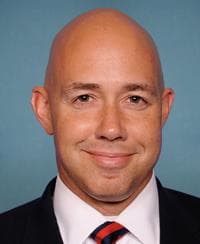
Brian J. Mast
Republican Representative
Florida
Cosponsors (1)
Transportation and Infrastructure Committee, Water Resources and Environment Subcommittee
- Introduced
- In Committee
- On Floor
- Passed Chamber
- Enacted
Prioritizing Revised Operations To Eliminate Cyanobacteria Toxins in Florida Act or the PROTECT Florida Act This bill modifies requirements regarding water infrastructure projects in central and southern Florida. Specifically, the Army Corps of Engineers must include in such projects specified public health considerations, including those related to cyanobacteria and other toxins. The bill also prohibits the use of restoration funds for deep well injection (a liquid-waste disposal technology). In addition, the Army Corps of Engineers must (1) develop a master operational manual to ensure system management that protects public health and Everglades restoration; and (2) with the National Academies of Sciences, study the legacy of pollution and nutrient loading, as well as the impacts of soil amendments.
View Full TextSuggested Questions
Get AI-generated questions to help you understand this bill better
Timeline
Introduced in House
Referred to the House Committee on Transportation and Infrastructure.
Referred to the Subcommittee on Water Resources and Environment.
Water Resources Development
Aquatic ecologyEnvironmental assessment, monitoring, researchEnvironmental healthEnvironmental regulatory proceduresFloridaGovernment information and archivesGovernment studies and investigationsHazardous wastes and toxic substancesInfrastructure developmentLakes and riversMarine pollutionWater qualityWildlife conservation and habitat protection
PROTECT Florida Act
USA116th CongressHR-3324| House
| Updated: 6/19/2019
Prioritizing Revised Operations To Eliminate Cyanobacteria Toxins in Florida Act or the PROTECT Florida Act This bill modifies requirements regarding water infrastructure projects in central and southern Florida. Specifically, the Army Corps of Engineers must include in such projects specified public health considerations, including those related to cyanobacteria and other toxins. The bill also prohibits the use of restoration funds for deep well injection (a liquid-waste disposal technology). In addition, the Army Corps of Engineers must (1) develop a master operational manual to ensure system management that protects public health and Everglades restoration; and (2) with the National Academies of Sciences, study the legacy of pollution and nutrient loading, as well as the impacts of soil amendments.
View Full TextSuggested Questions
Get AI-generated questions to help you understand this bill better
Timeline
Introduced in House
Referred to the House Committee on Transportation and Infrastructure.
Referred to the Subcommittee on Water Resources and Environment.
Brian J. Mast
Republican Representative
Florida
Cosponsors (1)
Transportation and Infrastructure Committee, Water Resources and Environment Subcommittee
Water Resources Development
- Introduced
- In Committee
- On Floor
- Passed Chamber
- Enacted
Aquatic ecologyEnvironmental assessment, monitoring, researchEnvironmental healthEnvironmental regulatory proceduresFloridaGovernment information and archivesGovernment studies and investigationsHazardous wastes and toxic substancesInfrastructure developmentLakes and riversMarine pollutionWater qualityWildlife conservation and habitat protection