Deceptive Practices and Voter Intimidation Prevention Act of 2019
USA116th CongressHR-3281| House
| Updated: 6/28/2019
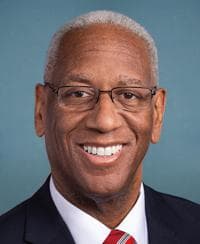
A. Donald McEachin
Democratic Representative
Virginia
Cosponsors (65)
Dwight Evans (Democratic)Tim Ryan (Democratic)Val Butler Demings (Democratic)Marcy Kaptur (Democratic)Tom O'Halleran (Democratic)Gilbert Ray Cisneros (Democratic)Ruben Gallego (Democratic)Marc A. Veasey (Democratic)Robert C. "Bobby" Scott (Democratic)Barbara Lee (Democratic)Nita M. Lowey (Democratic)Raúl M. Grijalva (Democratic)Tom Malinowski (Democratic)Brian Higgins (Democratic)Sheila Jackson Lee (Democratic)John A. Yarmuth (Democratic)Ben Ray Luján (Democratic)Debra A. Haaland (Democratic)Ilhan Omar (Democratic)Eliot L. Engel (Democratic)David Scott (Democratic)Bobby L. Rush (Democratic)Steve Cohen (Democratic)Susan A. Davis (Democratic)Angie Craig (Democratic)John P. Sarbanes (Democratic)Wm. Lacy Clay (Democratic)Anthony G. Brown (Democratic)Adriano Espaillat (Democratic)Ann Kirkpatrick (Democratic)Henry C. "Hank" Johnson (Democratic)Harley Rouda (Democratic)Jim Cooper (Democratic)Joseph D. Morelle (Democratic)Elaine G. Luria (Democratic)Gregory W. Meeks (Democratic)Dean Phillips (Democratic)Jahana Hayes (Democratic)Jerrold Nadler (Democratic)Theodore E. Deutch (Democratic)Anna G. Eshoo (Democratic)Mark Takano (Democratic)Pramila Jayapal (Democratic)Kathy Castor (Democratic)Eleanor Holmes Norton (Democratic)Mike Quigley (Democratic)Sean Casten (Democratic)Diana DeGette (Democratic)Janice D. Schakowsky (Democratic)James P. McGovern (Democratic)Alexandria Ocasio-Cortez (Democratic)Yvette D. Clarke (Democratic)Jose E. Serrano (Democratic)Albio Sires (Democratic)Colin Z. Allred (Democratic)Earl Blumenauer (Democratic)Charlie Crist (Democratic)Seth Moulton (Democratic)Jesús G. "Chuy" García (Democratic)Frank Pallone (Democratic)Gwen Moore (Democratic)Susie Lee (Democratic)Ayanna Pressley (Democratic)Alcee L. Hastings (Democratic)Susan Wild (Democratic)
Crime and Federal Government Surveillance Subcommittee, Courts, Intellectual Property, Artificial Intelligence, and the Internet Subcommittee, Judiciary Committee, Constitution and Limited Government Subcommittee
- Introduced
- In Committee
- On Floor
- Passed Chamber
- Enacted
Deceptive Practices and Voter Intimidation Prevention Act of 2019 This bill generally prohibits deceptive practices, false statements, and voter interference regarding federal elections. Specifically, the bill prohibits any person, within 60 days before an election, from communicating, causing to be communicated, or producing for communication certain information on voting, if the person (1) knows such information to be materially false, and (2) has the intent to impede or prevent another person from exercising the right to vote in an election. The bill also prohibits false statements regarding public endorsements and hindering, interfering with, or preventing voting or registering to vote. A private right of action for preventive relief is established for persons aggrieved by violations of these prohibitions. Criminal penalties are also established for violations. If the Department of Justice (DOJ) receives a credible report that materially false information has been or is being communicated in violation of these prohibitions, DOJ must communicate to the public accurate information designed to correct the materially false information.
View Full TextSuggested Questions
Get AI-generated questions to help you understand this bill better
Timeline
Introduced in House
Referred to the House Committee on the Judiciary.
Referred to the Subcommittee on Courts, Intellectual Property, and the Internet.
Referred to the Subcommittee on Crime, Terrorism, and Homeland Security.
Referred to the Subcommittee on the Constitution, Civil Rights, and Civil Liberties.
Government Operations and Politics
Administrative law and regulatory proceduresCivil actions and liabilityCongressional electionsCongressional oversightCriminal investigation, prosecution, interrogationCriminal procedure and sentencingElections, voting, political campaign regulationFraud offenses and financial crimesGovernment information and archivesPolitical advertisingU.S. Sentencing CommissionVoting rights
Deceptive Practices and Voter Intimidation Prevention Act of 2019
USA116th CongressHR-3281| House
| Updated: 6/28/2019
Deceptive Practices and Voter Intimidation Prevention Act of 2019 This bill generally prohibits deceptive practices, false statements, and voter interference regarding federal elections. Specifically, the bill prohibits any person, within 60 days before an election, from communicating, causing to be communicated, or producing for communication certain information on voting, if the person (1) knows such information to be materially false, and (2) has the intent to impede or prevent another person from exercising the right to vote in an election. The bill also prohibits false statements regarding public endorsements and hindering, interfering with, or preventing voting or registering to vote. A private right of action for preventive relief is established for persons aggrieved by violations of these prohibitions. Criminal penalties are also established for violations. If the Department of Justice (DOJ) receives a credible report that materially false information has been or is being communicated in violation of these prohibitions, DOJ must communicate to the public accurate information designed to correct the materially false information.
View Full TextSuggested Questions
Get AI-generated questions to help you understand this bill better
Timeline
Introduced in House
Referred to the House Committee on the Judiciary.
Referred to the Subcommittee on Courts, Intellectual Property, and the Internet.
Referred to the Subcommittee on Crime, Terrorism, and Homeland Security.
Referred to the Subcommittee on the Constitution, Civil Rights, and Civil Liberties.
A. Donald McEachin
Democratic Representative
Virginia
Cosponsors (65)
Dwight Evans (Democratic)Tim Ryan (Democratic)Val Butler Demings (Democratic)Marcy Kaptur (Democratic)Tom O'Halleran (Democratic)Gilbert Ray Cisneros (Democratic)Ruben Gallego (Democratic)Marc A. Veasey (Democratic)Robert C. "Bobby" Scott (Democratic)Barbara Lee (Democratic)Nita M. Lowey (Democratic)Raúl M. Grijalva (Democratic)Tom Malinowski (Democratic)Brian Higgins (Democratic)Sheila Jackson Lee (Democratic)John A. Yarmuth (Democratic)Ben Ray Luján (Democratic)Debra A. Haaland (Democratic)Ilhan Omar (Democratic)Eliot L. Engel (Democratic)David Scott (Democratic)Bobby L. Rush (Democratic)Steve Cohen (Democratic)Susan A. Davis (Democratic)Angie Craig (Democratic)John P. Sarbanes (Democratic)Wm. Lacy Clay (Democratic)Anthony G. Brown (Democratic)Adriano Espaillat (Democratic)Ann Kirkpatrick (Democratic)Henry C. "Hank" Johnson (Democratic)Harley Rouda (Democratic)Jim Cooper (Democratic)Joseph D. Morelle (Democratic)Elaine G. Luria (Democratic)Gregory W. Meeks (Democratic)Dean Phillips (Democratic)Jahana Hayes (Democratic)Jerrold Nadler (Democratic)Theodore E. Deutch (Democratic)Anna G. Eshoo (Democratic)Mark Takano (Democratic)Pramila Jayapal (Democratic)Kathy Castor (Democratic)Eleanor Holmes Norton (Democratic)Mike Quigley (Democratic)Sean Casten (Democratic)Diana DeGette (Democratic)Janice D. Schakowsky (Democratic)James P. McGovern (Democratic)Alexandria Ocasio-Cortez (Democratic)Yvette D. Clarke (Democratic)Jose E. Serrano (Democratic)Albio Sires (Democratic)Colin Z. Allred (Democratic)Earl Blumenauer (Democratic)Charlie Crist (Democratic)Seth Moulton (Democratic)Jesús G. "Chuy" García (Democratic)Frank Pallone (Democratic)Gwen Moore (Democratic)Susie Lee (Democratic)Ayanna Pressley (Democratic)Alcee L. Hastings (Democratic)Susan Wild (Democratic)
Crime and Federal Government Surveillance Subcommittee, Courts, Intellectual Property, Artificial Intelligence, and the Internet Subcommittee, Judiciary Committee, Constitution and Limited Government Subcommittee
Government Operations and Politics
Related Bills
- S 116-1834: Deceptive Practices and Voter Intimidation Prevention Act of 2019
- HR 116-4617: Stopping Harmful Interference in Elections for a Lasting Democracy Act
- S 116-549: Voter Empowerment Act of 2019
- HR 116-1: For the People Act of 2019
- HR 116-1275: Voter Empowerment Act of 2019
- S 116-949: For the People Act of 2019
- Introduced
- In Committee
- On Floor
- Passed Chamber
- Enacted
Administrative law and regulatory proceduresCivil actions and liabilityCongressional electionsCongressional oversightCriminal investigation, prosecution, interrogationCriminal procedure and sentencingElections, voting, political campaign regulationFraud offenses and financial crimesGovernment information and archivesPolitical advertisingU.S. Sentencing CommissionVoting rights