BUILDS Act
USA116th CongressHR-2831| House
| Updated: 5/17/2019
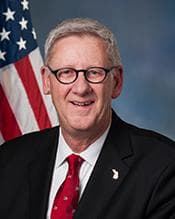
Paul Mitchell
Independent Representative
Michigan
Cosponsors (15)
Adam B. Schiff (Democratic)James R. Langevin (Democratic)Sanford D. Bishop (Democratic)Glenn Thompson (Republican)Madeleine Dean (Democratic)Angie Craig (Democratic)Haley M. Stevens (Democratic)Kurt Schrader (Democratic)Joseph D. Morelle (Democratic)Ann Wagner (Republican)Anthony Brindisi (Democratic)Josh Harder (Democratic)Norma J. Torres (Democratic)Suzanne Bonamici (Democratic)Josh Gottheimer (Democratic)
Education and Workforce Committee
- Introduced
- In Committee
- On Floor
- Passed Chamber
- Enacted
Building U.S. Infrastructure by Leveraging Demands for Skills or the BUILDS Act This bill requires the Department of Labor to award implementation or renewal grants to eligible industry or sector partnerships to achieve certain strategic objectives with respect to targeted infrastructure industries (e.g., transportation, construction, energy, information technology, or utilities industries). Such strategic objectives must include recruiting key stakeholders in the targeted infrastructure industries; identifying the training needs of multiple businesses in such industries; facilitating actions that lead to economies of scale by aggregating multiple businesses' training and education needs; helping grant recipients who provide career and technical education and training in aligning curricula, entrance requirements, and programs to the targeted infrastructure's needs and required credentials; providing information on grant activities to state agencies to enable them to inform unemployment compensation recipients of employment and training opportunities; and helping partner businesses to attract potential workers from a diverse job seeker base.
View Full TextSuggested Questions
Get AI-generated questions to help you understand this bill better
Timeline
Introduced in House
Referred to the House Committee on Education and Labor.
Labor and Employment
Educational guidanceEducation programs fundingEmployee hiringEmployment and training programsFood assistance and reliefHigher educationInfrastructure developmentPoverty and welfare assistancePublic-private cooperationTeaching, teachers, curriculaUnemploymentVocational and technical education
BUILDS Act
USA116th CongressHR-2831| House
| Updated: 5/17/2019
Building U.S. Infrastructure by Leveraging Demands for Skills or the BUILDS Act This bill requires the Department of Labor to award implementation or renewal grants to eligible industry or sector partnerships to achieve certain strategic objectives with respect to targeted infrastructure industries (e.g., transportation, construction, energy, information technology, or utilities industries). Such strategic objectives must include recruiting key stakeholders in the targeted infrastructure industries; identifying the training needs of multiple businesses in such industries; facilitating actions that lead to economies of scale by aggregating multiple businesses' training and education needs; helping grant recipients who provide career and technical education and training in aligning curricula, entrance requirements, and programs to the targeted infrastructure's needs and required credentials; providing information on grant activities to state agencies to enable them to inform unemployment compensation recipients of employment and training opportunities; and helping partner businesses to attract potential workers from a diverse job seeker base.
View Full TextSuggested Questions
Get AI-generated questions to help you understand this bill better
Timeline
Introduced in House
Referred to the House Committee on Education and Labor.
Paul Mitchell
Independent Representative
Michigan
Cosponsors (15)
Adam B. Schiff (Democratic)James R. Langevin (Democratic)Sanford D. Bishop (Democratic)Glenn Thompson (Republican)Madeleine Dean (Democratic)Angie Craig (Democratic)Haley M. Stevens (Democratic)Kurt Schrader (Democratic)Joseph D. Morelle (Democratic)Ann Wagner (Republican)Anthony Brindisi (Democratic)Josh Harder (Democratic)Norma J. Torres (Democratic)Suzanne Bonamici (Democratic)Josh Gottheimer (Democratic)
Education and Workforce Committee
Labor and Employment
Related Bills
- Introduced
- In Committee
- On Floor
- Passed Chamber
- Enacted
Educational guidanceEducation programs fundingEmployee hiringEmployment and training programsFood assistance and reliefHigher educationInfrastructure developmentPoverty and welfare assistancePublic-private cooperationTeaching, teachers, curriculaUnemploymentVocational and technical education