Lowering Prescription Drug Costs and Extending Community Health Centers and Other Public Health Priorities Act
USA116th CongressHR-2700| House
| Updated: 6/26/2019
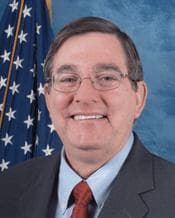
Michael C. Burgess
Republican Representative
Texas
Cosponsors (44)
F. James Sensenbrenner (Republican)Elise M. Stefanik (Republican)Roger Marshall (Republican)Markwayne Mullin (Republican)Mark Meadows (Republican)Pete Olson (Republican)Jim Hagedorn (Republican)Brett Guthrie (Republican)Steve Stivers (Republican)Robert J. Wittman (Republican)Greg Walden (Republican)Jeff Duncan (Republican)Doug Collins (Republican)Tim Walberg (Republican)Earl L. "Buddy" Carter (Republican)Billy Long (Republican)J. French Hill (Republican)David B. McKinley (Republican)Greg Gianforte (Republican)Barry Loudermilk (Republican)Gus M. Bilirakis (Republican)Steve Scalise (Republican)Paul Mitchell (Independent)H. Morgan Griffith (Republican)Bill Flores (Republican)Mario Diaz-Balart (Republican)David P. Joyce (Republican)Fred Upton (Republican)Ann Wagner (Republican)Richard Hudson (Republican)Will Hurd (Republican)Dan Bishop (Republican)Larry Bucshon (Republican)Mark E. Amodei (Republican)Mike Bost (Republican)Adam Kinzinger (Republican)Vicky Hartzler (Republican)Robert E. Latta (Republican)Susan W. Brooks (Republican)Cathy McMorris Rodgers (Republican)Bill Johnson (Republican)Jaime Herrera Beutler (Republican)David P. Roe (Republican)John Shimkus (Republican)
Administrative State, Regulatory Reform, and Antitrust Subcommittee, Health Subcommittee, Courts, Intellectual Property, Artificial Intelligence, and the Internet Subcommittee, Judiciary Committee, Energy and Commerce Committee
- Introduced
- In Committee
- On Floor
- Passed Chamber
- Enacted
Lowering Prescription Drug Costs and Extending Community Health Centers and Other Public Health Priorities Act This bill addresses prescription drugs and extends several health care, research, and workforce programs. Currently, a generic drug manufacturer is awarded 180 days of exclusivity on the market if it is the first applicant to file an application with the Food and Drug Administration (FDA), and the exclusivity period begins upon the first applicant's commercial marketing. The bill authorizes the FDA to approve a subsequent generic drug application prior to the first applicant's first date of commercial marketing if certain conditions are met. The bill prohibits a brand-name, generic, or biosimilar drug manufacturer from entering into certain agreements to resolve or settle a patent infringement claim in connection with the sale of a drug or biological product. Such an agreement, with specified exclusions, is a violation of the bill if the filer of the subsequent generic application receives something of value and agrees to limit or forego research, development, manufacturing, marketing, or sales of the generic drug or biological product. The developer of a drug or biological product, such as a generic or biosimilar version of a drug, may bring a civil action against the license holder of an approved drug if the holder has declined to make available sufficient quantities of the approved drug for the developer's testing. The bill also extends several health care, research, and workforce programs, including the National Health Service Corps, through FY2020.
View Full TextSuggested Questions
Get AI-generated questions to help you understand this bill better
Timeline
Introduced in House
Referred to the Committee on Energy and Commerce, and in addition to the Committee on the Judiciary, for a period to be subsequently determined by the Speaker, in each case for consideration of such provisions as fall within the jurisdiction of the committee concerned.
Referred to the Subcommittee on Health.
Referred to the Subcommittee on Antitrust, Commercial, and Administrative Law.
Referred to the Subcommittee on Courts, Intellectual Property, and the Internet.
Health
Administrative law and regulatory proceduresAppropriationsChild healthCivil actions and liabilityCompetition and antitrustConsumer affairsDigestive and metabolic diseasesDrug safety, medical device, and laboratory regulationEducation programs fundingFamily planning and birth controlFederal Trade Commission (FTC)Health care costs and insuranceHealth care coverage and accessHealth facilities and institutionsHealth personnelHealth programs administration and fundingHealth promotion and preventive careIndian social and development programsInflation and pricesJudicial review and appealsLicensing and registrationsMarketing and advertisingMedical educationMedical researchMinority healthNational and community servicePrescription drugsProduct development and innovationSex and reproductive healthSocial work, volunteer service, charitable organizations
Lowering Prescription Drug Costs and Extending Community Health Centers and Other Public Health Priorities Act
USA116th CongressHR-2700| House
| Updated: 6/26/2019
Lowering Prescription Drug Costs and Extending Community Health Centers and Other Public Health Priorities Act This bill addresses prescription drugs and extends several health care, research, and workforce programs. Currently, a generic drug manufacturer is awarded 180 days of exclusivity on the market if it is the first applicant to file an application with the Food and Drug Administration (FDA), and the exclusivity period begins upon the first applicant's commercial marketing. The bill authorizes the FDA to approve a subsequent generic drug application prior to the first applicant's first date of commercial marketing if certain conditions are met. The bill prohibits a brand-name, generic, or biosimilar drug manufacturer from entering into certain agreements to resolve or settle a patent infringement claim in connection with the sale of a drug or biological product. Such an agreement, with specified exclusions, is a violation of the bill if the filer of the subsequent generic application receives something of value and agrees to limit or forego research, development, manufacturing, marketing, or sales of the generic drug or biological product. The developer of a drug or biological product, such as a generic or biosimilar version of a drug, may bring a civil action against the license holder of an approved drug if the holder has declined to make available sufficient quantities of the approved drug for the developer's testing. The bill also extends several health care, research, and workforce programs, including the National Health Service Corps, through FY2020.
View Full TextSuggested Questions
Get AI-generated questions to help you understand this bill better
Timeline
Introduced in House
Referred to the Committee on Energy and Commerce, and in addition to the Committee on the Judiciary, for a period to be subsequently determined by the Speaker, in each case for consideration of such provisions as fall within the jurisdiction of the committee concerned.
Referred to the Subcommittee on Health.
Referred to the Subcommittee on Antitrust, Commercial, and Administrative Law.
Referred to the Subcommittee on Courts, Intellectual Property, and the Internet.
Michael C. Burgess
Republican Representative
Texas
Cosponsors (44)
F. James Sensenbrenner (Republican)Elise M. Stefanik (Republican)Roger Marshall (Republican)Markwayne Mullin (Republican)Mark Meadows (Republican)Pete Olson (Republican)Jim Hagedorn (Republican)Brett Guthrie (Republican)Steve Stivers (Republican)Robert J. Wittman (Republican)Greg Walden (Republican)Jeff Duncan (Republican)Doug Collins (Republican)Tim Walberg (Republican)Earl L. "Buddy" Carter (Republican)Billy Long (Republican)J. French Hill (Republican)David B. McKinley (Republican)Greg Gianforte (Republican)Barry Loudermilk (Republican)Gus M. Bilirakis (Republican)Steve Scalise (Republican)Paul Mitchell (Independent)H. Morgan Griffith (Republican)Bill Flores (Republican)Mario Diaz-Balart (Republican)David P. Joyce (Republican)Fred Upton (Republican)Ann Wagner (Republican)Richard Hudson (Republican)Will Hurd (Republican)Dan Bishop (Republican)Larry Bucshon (Republican)Mark E. Amodei (Republican)Mike Bost (Republican)Adam Kinzinger (Republican)Vicky Hartzler (Republican)Robert E. Latta (Republican)Susan W. Brooks (Republican)Cathy McMorris Rodgers (Republican)Bill Johnson (Republican)Jaime Herrera Beutler (Republican)David P. Roe (Republican)John Shimkus (Republican)
Administrative State, Regulatory Reform, and Antitrust Subcommittee, Health Subcommittee, Courts, Intellectual Property, Artificial Intelligence, and the Internet Subcommittee, Judiciary Committee, Energy and Commerce Committee
Health
Related Bills
- HR 116-1499: Protecting Consumer Access to Generic Drugs Act of 2019
- S 116-340: CREATES Act of 2019
- HR 116-965: CREATES Act of 2019
- S 116-192: Community and Public Health Programs Extension Act
- HR 116-3053: PREP Reauthorization Act of 2019
- HR 116-1943: Community Health Center and Primary Care Workforce Expansion Act of 2019
- HR 116-938: BLOCKING Act of 2019
- HR 116-2668: Special Diabetes Program Reauthorization Act of 2019
- HR 116-2680: Special Diabetes Programs for Indians Reauthorization Act of 2019
- HR 116-19: Lower Costs, More Cures Act of 2019
- Introduced
- In Committee
- On Floor
- Passed Chamber
- Enacted
Administrative law and regulatory proceduresAppropriationsChild healthCivil actions and liabilityCompetition and antitrustConsumer affairsDigestive and metabolic diseasesDrug safety, medical device, and laboratory regulationEducation programs fundingFamily planning and birth controlFederal Trade Commission (FTC)Health care costs and insuranceHealth care coverage and accessHealth facilities and institutionsHealth personnelHealth programs administration and fundingHealth promotion and preventive careIndian social and development programsInflation and pricesJudicial review and appealsLicensing and registrationsMarketing and advertisingMedical educationMedical researchMinority healthNational and community servicePrescription drugsProduct development and innovationSex and reproductive healthSocial work, volunteer service, charitable organizations