Child Safety Accounts Act
USA116th CongressHR-2538| House
| Updated: 5/7/2019
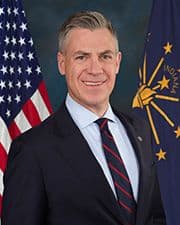
Jim Banks
Republican Representative
Indiana
Oversight and Government Reform Committee
- Introduced
- In Committee
- On Floor
- Passed Chamber
- Enacted
Child Safety Accounts Act This bill creates child safety accounts (CSAs) in the District of Columbia for students experiencing safety issues at school (e.g., incidents of bullying, sexual misconduct, fighting or physical assaults on the student, gang activity or drug usage, or food safety needs). Once the Office of School Security determines that an issue exists, parents are given the opportunity to enroll in CSAs for tuition and fees at qualified schools, tutoring services, textbooks, transportation costs, therapy costs to cope with safety incidents, and college courses. The bill sets forth procedures for scholarship granting organizations to accept donations for CSAs and pay out scholarships for students. CSA donors must be taxpayers, individuals, or corporations who file District income tax returns, cannot be claimed as a dependent on another taxpayer return, has donated to a scholarship granting organization, and has been certified by the Chief Financial Officer of the District to make the donation. Finally, this bill establishes a District program to provide tax credits against income tax imposed by the District on (1) certified donors to CSAs, and (2) parents for eligible expenses above the amount provided by the CSA.
View Full TextSuggested Questions
Get AI-generated questions to help you understand this bill better
Timeline
Introduced in House
Referred to the House Committee on Oversight and Reform.
Education
Accounting and auditingChild healthChild safety and welfareCivil actions and liabilityCrimes against childrenDistrict of ColumbiaDrug, alcohol, tobacco useEducational facilities and institutionsEducation programs fundingElementary and secondary educationFraud offenses and financial crimesGovernment studies and investigationsIncome tax creditsJuvenile crime and gang violencePublic contracts and procurementSex offensesSocial work, volunteer service, charitable organizationsState and local financeState and local government operationsState and local taxationStudent aid and college costsTax administration and collection, taxpayersTax-exempt organizationsViolent crime
Child Safety Accounts Act
USA116th CongressHR-2538| House
| Updated: 5/7/2019
Child Safety Accounts Act This bill creates child safety accounts (CSAs) in the District of Columbia for students experiencing safety issues at school (e.g., incidents of bullying, sexual misconduct, fighting or physical assaults on the student, gang activity or drug usage, or food safety needs). Once the Office of School Security determines that an issue exists, parents are given the opportunity to enroll in CSAs for tuition and fees at qualified schools, tutoring services, textbooks, transportation costs, therapy costs to cope with safety incidents, and college courses. The bill sets forth procedures for scholarship granting organizations to accept donations for CSAs and pay out scholarships for students. CSA donors must be taxpayers, individuals, or corporations who file District income tax returns, cannot be claimed as a dependent on another taxpayer return, has donated to a scholarship granting organization, and has been certified by the Chief Financial Officer of the District to make the donation. Finally, this bill establishes a District program to provide tax credits against income tax imposed by the District on (1) certified donors to CSAs, and (2) parents for eligible expenses above the amount provided by the CSA.
View Full TextSuggested Questions
Get AI-generated questions to help you understand this bill better
Timeline
Introduced in House
Referred to the House Committee on Oversight and Reform.
Jim Banks
Republican Representative
Indiana
Oversight and Government Reform Committee
Education
- Introduced
- In Committee
- On Floor
- Passed Chamber
- Enacted
Accounting and auditingChild healthChild safety and welfareCivil actions and liabilityCrimes against childrenDistrict of ColumbiaDrug, alcohol, tobacco useEducational facilities and institutionsEducation programs fundingElementary and secondary educationFraud offenses and financial crimesGovernment studies and investigationsIncome tax creditsJuvenile crime and gang violencePublic contracts and procurementSex offensesSocial work, volunteer service, charitable organizationsState and local financeState and local government operationsState and local taxationStudent aid and college costsTax administration and collection, taxpayersTax-exempt organizationsViolent crime