United States-Cuba Relations Normalization Act
USA116th CongressHR-2404| House
| Updated: 5/20/2019
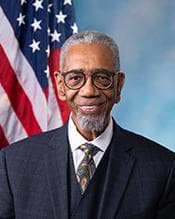
Bobby L. Rush
Democratic Representative
Illinois
Cosponsors (16)
Jared Huffman (Democratic)Barbara Lee (Democratic)Raúl M. Grijalva (Democratic)Mark Pocan (Democratic)Ilhan Omar (Democratic)Steve Cohen (Democratic)Danny K. Davis (Democratic)Ro Khanna (Democratic)Henry C. "Hank" Johnson (Democratic)André Carson (Democratic)Anna G. Eshoo (Democratic)Pramila Jayapal (Democratic)Eleanor Holmes Norton (Democratic)Bennie G. Thompson (Democratic)Gwen Moore (Democratic)Rashida Tlaib (Democratic)
Committees (9)
• Ways and Means Committee• Foreign Affairs Committee• Agriculture Committee• Financial Services Committee• General Farm Commodities, Risk Management, and Credit Subcommittee• Commerce, Manufacturing, and Trade Subcommittee• Judiciary Committee• Energy and Commerce Committee• Immigration Integrity, Security, and Enforcement Subcommittee
- Introduced
- In Committee
- On Floor
- Passed Chamber
- Enacted
United States-Cuba Relations Normalization Act This bill repeals the trade embargo on Cuba and other provisions restricting trade and travel to Cuba. The bill also (1) removes restrictions on certain transactions related to trademarks used in connection with a confiscated business or asset, (2) extends nondiscriminatory trade treatment to Cuban products, and (3) prohibits and rescinds limits on remittances to Cuba. The President may, in relation to Cuba, impose new export controls and exercise powers related to declared national emergencies. The bill authorizes common carriers to provide telecommunications services between the United States and Cuba. Travel by U.S. citizens and residents to Cuba may not be regulated or prohibited if such travel would be lawful in the United States. The President shall take all necessary steps to engage with Cuba to (1) negotiate settlements relating to claims that Cuba had taken the property of U.S. nationals, and (2) secure the protection of internationally recognized human rights.
View Full TextSuggested Questions
Get AI-generated questions to help you understand this bill better
Timeline
Introduced in House
Referred to the Committee on Foreign Affairs, and in addition to the Committees on Ways and Means, Energy and Commerce, the Judiciary, Agriculture, and Financial Services, for a period to be subsequently determined by the Speaker, in each case for consideration of such provisions as fall within the jurisdiction of the committee concerned.
Referred to the Subcommittee on Consumer Protection and Commerce.
Referred to the Subcommittee on General Farm Commodities and Risk Management.
Referred to the Subcommittee on Immigration and Citizenship.
International Affairs
Agricultural tradeCaribbean areaCubaCurrencyDetention of personsDiplomacy, foreign officials, Americans abroadForeign and international bankingGovernment liabilityHealth care coverage and accessHuman rightsIntellectual propertyInternational exchange and broadcastingLatin AmericaMedical tests and diagnostic methodsNormal trade relations, most-favored-nation treatmentProperty rightsSanctionsTrade restrictionsTravel and tourismU.S. and foreign investmentsVisas and passports
United States-Cuba Relations Normalization Act
USA116th CongressHR-2404| House
| Updated: 5/20/2019
United States-Cuba Relations Normalization Act This bill repeals the trade embargo on Cuba and other provisions restricting trade and travel to Cuba. The bill also (1) removes restrictions on certain transactions related to trademarks used in connection with a confiscated business or asset, (2) extends nondiscriminatory trade treatment to Cuban products, and (3) prohibits and rescinds limits on remittances to Cuba. The President may, in relation to Cuba, impose new export controls and exercise powers related to declared national emergencies. The bill authorizes common carriers to provide telecommunications services between the United States and Cuba. Travel by U.S. citizens and residents to Cuba may not be regulated or prohibited if such travel would be lawful in the United States. The President shall take all necessary steps to engage with Cuba to (1) negotiate settlements relating to claims that Cuba had taken the property of U.S. nationals, and (2) secure the protection of internationally recognized human rights.
View Full TextSuggested Questions
Get AI-generated questions to help you understand this bill better
Timeline
Introduced in House
Referred to the Committee on Foreign Affairs, and in addition to the Committees on Ways and Means, Energy and Commerce, the Judiciary, Agriculture, and Financial Services, for a period to be subsequently determined by the Speaker, in each case for consideration of such provisions as fall within the jurisdiction of the committee concerned.
Referred to the Subcommittee on Consumer Protection and Commerce.
Referred to the Subcommittee on General Farm Commodities and Risk Management.
Referred to the Subcommittee on Immigration and Citizenship.
Bobby L. Rush
Democratic Representative
Illinois
Cosponsors (16)
Jared Huffman (Democratic)Barbara Lee (Democratic)Raúl M. Grijalva (Democratic)Mark Pocan (Democratic)Ilhan Omar (Democratic)Steve Cohen (Democratic)Danny K. Davis (Democratic)Ro Khanna (Democratic)Henry C. "Hank" Johnson (Democratic)André Carson (Democratic)Anna G. Eshoo (Democratic)Pramila Jayapal (Democratic)Eleanor Holmes Norton (Democratic)Bennie G. Thompson (Democratic)Gwen Moore (Democratic)Rashida Tlaib (Democratic)
Committees (9)
• Ways and Means Committee• Foreign Affairs Committee• Agriculture Committee• Financial Services Committee• General Farm Commodities, Risk Management, and Credit Subcommittee• Commerce, Manufacturing, and Trade Subcommittee• Judiciary Committee• Energy and Commerce Committee• Immigration Integrity, Security, and Enforcement Subcommittee
International Affairs
Related Bills
- Introduced
- In Committee
- On Floor
- Passed Chamber
- Enacted
Agricultural tradeCaribbean areaCubaCurrencyDetention of personsDiplomacy, foreign officials, Americans abroadForeign and international bankingGovernment liabilityHealth care coverage and accessHuman rightsIntellectual propertyInternational exchange and broadcastingLatin AmericaMedical tests and diagnostic methodsNormal trade relations, most-favored-nation treatmentProperty rightsSanctionsTrade restrictionsTravel and tourismU.S. and foreign investmentsVisas and passports